
Expanding open access to scholarly monographs, together
Path to Open is a community-led Books at JSTOR program that expands access to humanities and social science scholarship at scale. Participating libraries gain immediate access to hundreds of newly published monographs while helping those books follow a guaranteed pathway to open access, and reach readers worldwide.
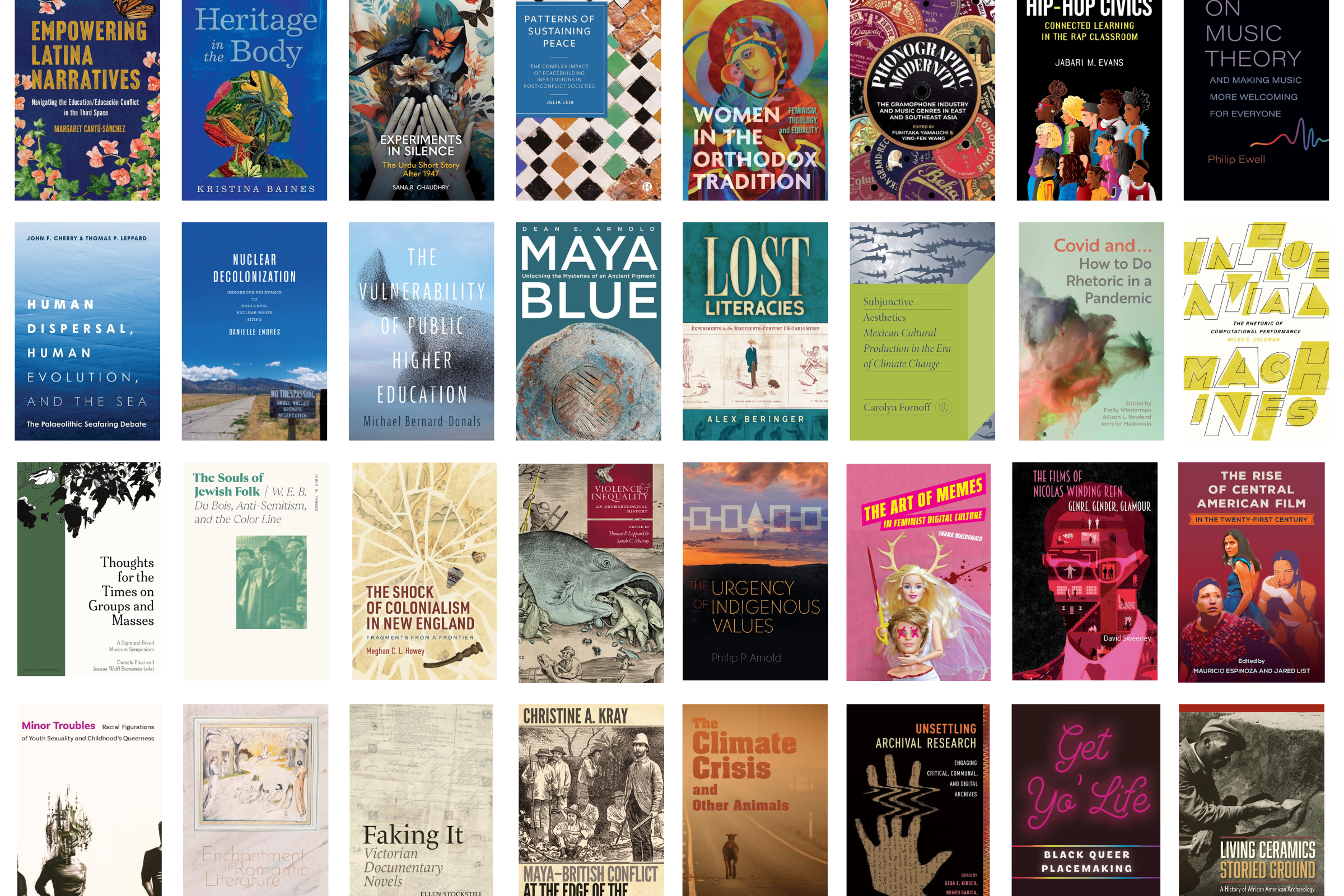
~300
Participating libraries
50+
Participating presses
300
Monographs added and opened annually
Shared model, shared benefits
Path to Open addresses a challenge no single organization can solve alone: expanding open access to scholarly monographs while supporting the people and institutions that make their publication possible.
With Path to Open:
- Libraries gain immediate access to high-quality frontlist books while directing acquisition funds toward sustainable open access.
- Publishers receive support for new monographs, and time to recover publishing costs before the books become open.
- Authors benefit from increased discovery, readership, geographic reach, and engagement.
- Readers gain free access to diverse humanities and social science scholarship worldwide.
How Path to Open works
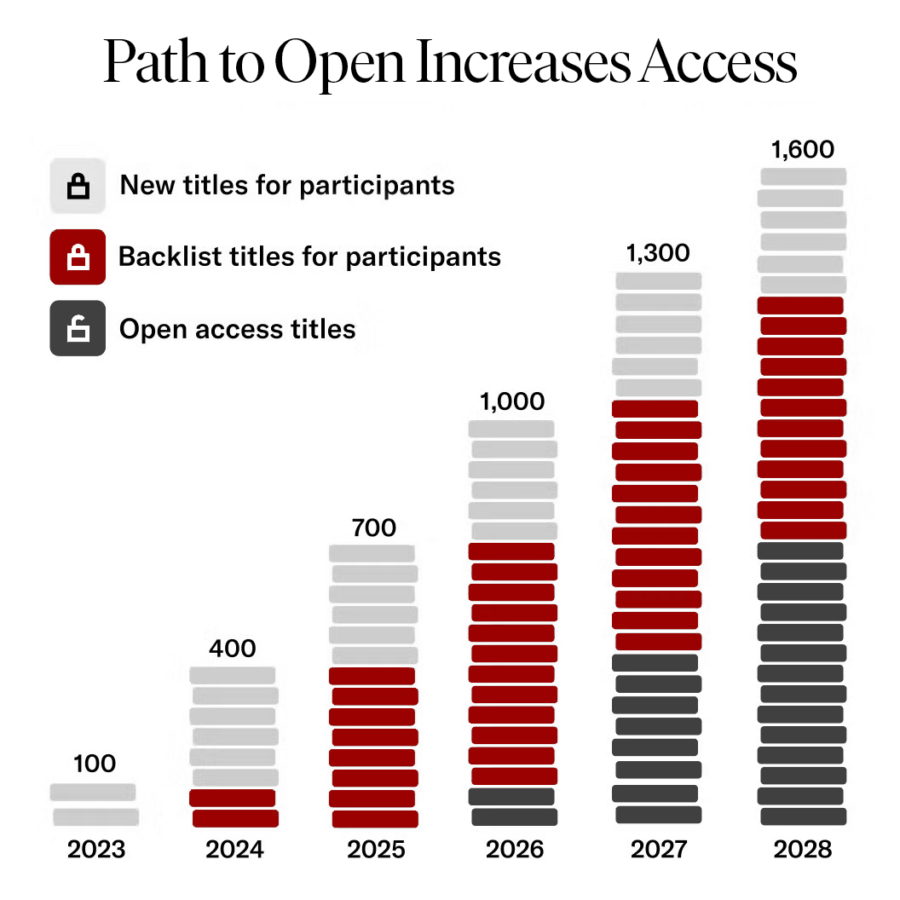
- Participating publishers submit titles that meet the program guidelines.
- JSTOR’s editorial team selects 300 new monographs annually, considering demand, potential impact, and representation.
- JSTOR provides participating publishers with $5,000 for each selected title to support initial publishing costs.
- Participating libraries sustain the program through an annual participation fee or multi-year payment. In return, they receive licensed access to Path to Open titles from previous years before they become open, plus 300 new peer-reviewed monographs annually.
- Monographs become open access in the third calendar year after their publication.
The licensed-access period reflects the economics of monograph publishing. It gives presses time to recover costs, while providing libraries with immediate frontlist value and creates a sustainable pathway to open access worldwide.
The impact of open access
Early results show that making monographs openly available dramatically expands usage, institutional access, and global reach.
- Usage increased by 886%, from 26,038 to 256,642 item requests.
- Access expanded by 1,131%, from 245 to 3,015 institutions.
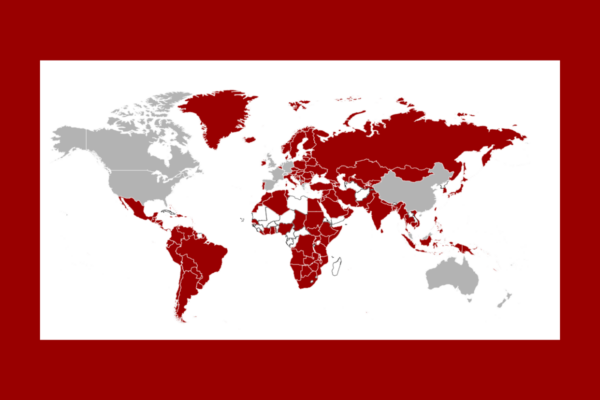
- Global reach grew by 1,050%, from 16 to 184 countries.
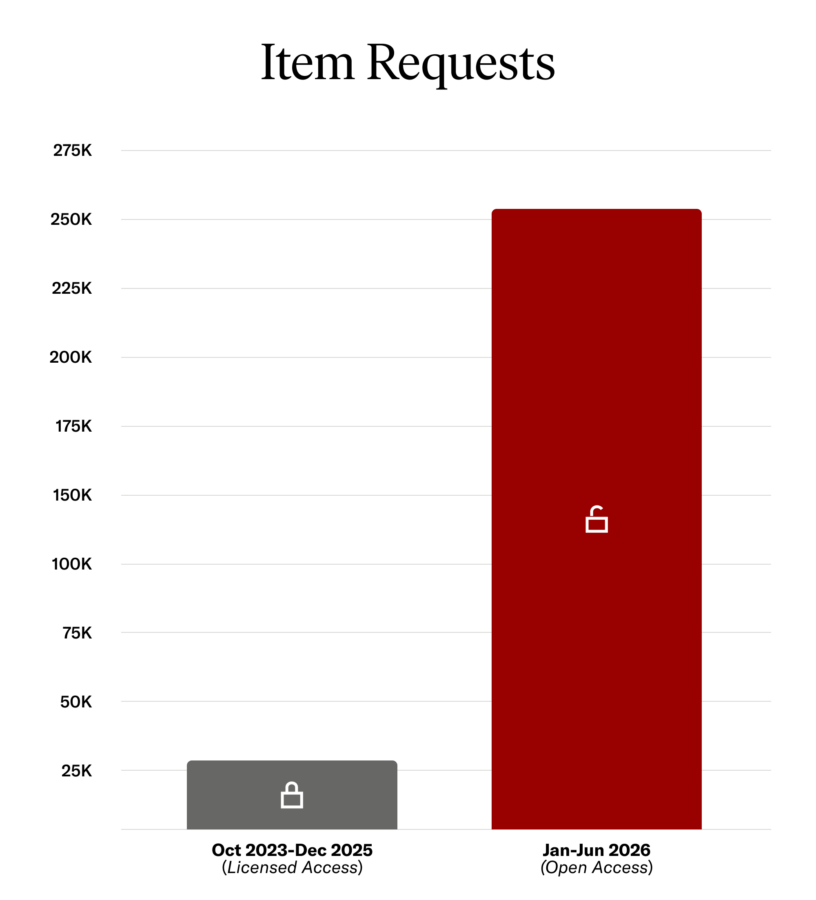
Based on Path to Open usage data for the first 100 titles to transition to open access. Results compare the licensed-access period (October 2023–December 2025) with the first six months of open access (January–June 2026).
While the data above reflects our latest quarterly analysis, the From Pilot to Impact: What Happens When Path to Open Titles Become Open? Insight Brief explores the initial impact of the first Path to Open titles during their first three months of open access.
Bibliodiversity by design
A key part of Path to Open is supporting a diverse scholarly publishing ecosystem, including a range of disciplines, publishers, perspectives, and communities.
- When selecting titles, JSTOR’s editorial team considers demonstrated reader demand, potential scholarly impact, and representation across publishers, perspectives, and subject areas.
- This approach balances disciplines that already attract strong interest on JSTOR with newer or historically underrepresented fields where open access could help scholarship reach wider audiences.
- The first 100 titles to become open access represent 29 disciplines. Titles added from 2023 to 2025 represent 48 disciplines, with more titles continuing to enter the program.
- The selection approach and early results show how thoughtful selection, combined with open access, can increase the visibility of scholarship across a wider range of disciplines.
Path to Open in action
What happened when the first Path to Open books became open access?
When 100 Path to Open titles became freely available worldwide, their readership quickly extended far beyond the institutions that had previously provided access.
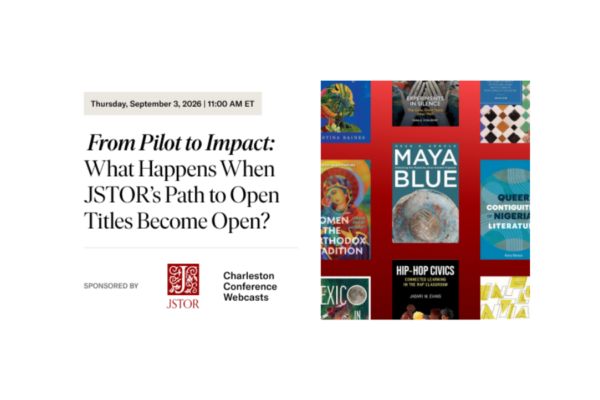
From Pilot to Impact: What Happens When JSTOR’s Path to Open Books Become Open?
Watch this Charleston webinar, originally held on September 3, 2026, to hear representatives from the Boston Library Consortium, University of Oregon, Liverpool University Press, Syracuse University Press, and JSTOR discuss new evidence and community perspectives on the impact of the first 100 Path to Open titles to become open access.

Turning the Page on Path to Open: From Pilot to Program
Over the past three years, libraries, publishers, and partners have worked together to shape Path to Open, a Books at JSTOR initiative that supports the transition of high-quality scholarly monographs to open access at scale. With positive results and feedback, the pilot is now moving forward as an official JSTOR program. Watch this on-demand webinar to explore this important milestone and learn what it means for your library.

JSTOR Transitions Path to Open Pilot to an Ongoing Program, Offering a Sustainable Model for Open Access Monographs
JSTOR’s Path to Open has transitioned from a pilot to an ongoing program, demonstrating that a collaborative, community-supported model can sustainably expand open access for monographs. Early results show significant growth in participation, titles, and global usage.
Newly opened Path to Open titles surpass 2025 usage in just five weeks
Five weeks after becoming openly available, the first 100 Path to Open titles have already surpassed their total 2025 usage—when access was limited to participating institutions. With usage up more than 580%, readership has expanded from six to 113 countries, underscoring the immediate global impact of open access for scholarly books.
First 100 path to open books now available open access worldwide on JSTOR
The first 100 Path to Open books are now free to read worldwide on JSTOR—proving a community-funded model can expand access, sustain presses, and amplify scholarly impact.
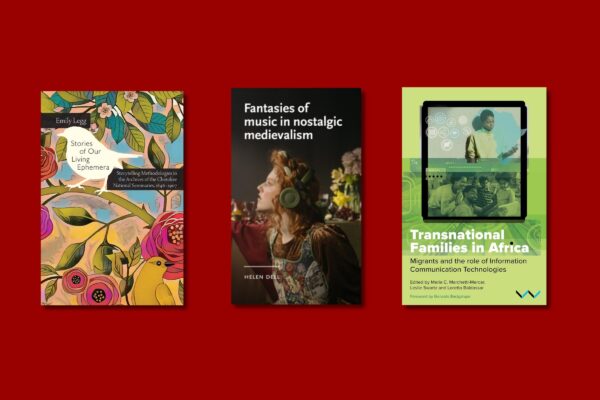
Celebrating 100 Path to Open books becoming open access
Path to Open has reached a major milestone: the first 100 scholarly books have officially flipped to open access on JSTOR. This post celebrates what that moment represents for libraries, publishers, and authors working together to expand global access to high-quality academic monographs.

Explore the latest titles in JSTOR’s Path to Open program November 2025
Explore new Path to Open titles on JSTOR supporting teaching and research. View November 2025 releases and access options.

Sustainable books models and digital stewardship at Charleston 2025
At this year’s Charleston Conference, JSTOR hosted two lunch events. Highlights included updates on Path to Open, Publisher Collections, and JSTOR Seeklight’s growing role in AI-assisted metadata generation.
Community voices

BLC has seen firsthand how JSTOR’s Path to Open program delivers real impact-for libraries, authors, publishers, and, most importantly, the communities we serve. We’ve seen steady growth in participation across BLC member institutions alongside strong usage of newly published titles, demonstrating the value of this shared investment model. The significant increase in usage globally once titles transition to open access underscores the long-term impact of this approach. We’re delighted to see JSTOR continue the program beyond its pilot phase, signaling a durable, collaborative model for expanding access to scholarly content..”

As a university press, our mission is to publish scholarship that matters and help it find the widest meaningful audience. Path to Open has given the University of Nebraska Press a practical, collaborative way to extend that mission: Titles that were once available primarily to readers with institutional access are now reaching readers around the world. Seeing usage increase by more than 250 percent and geographic reach expand from 13 to 60 countries affirms what we hoped this model could do—make serious humanities scholarship more visible, discoverable, and accessible.”

I am happy that Ecologies of Imperialism in Algeria is part of Path to Open. This program has helped triple the readership of the book and greatly expanded the geographic scope of those readers. I am especially pleased that a book working through themes of imperialism and environmental change in North Africa has become more accessible to people in the region.”

The successful initial phase of Path to Open demonstrates JSTOR’s ability to build a scalable, financially viable open access model for monographs that benefits both publishers and libraries. Crucially, this model empowers our institutions to meet campus-specific needs while advancing our faculty’s global reach and benefitting researchers worldwide through a sustainable, values-oriented program.”

The conversations [in the Path to Open Community Advisory Committee] have taught me a lot about the pressures that publishers and librarians face that authors can’t see from their vantage point. Un-siloing this conversation was important precisely because each of these sectors doesn’t have the full picture—and only by seeing the whole ecosystem of authors, publishers, and libraries can we find a business model that balances their needs.”

The community-based model has helped Path to Open be more than a purchasing model or a publishing experiment. It has created a mechanism for shared stewardship. A community-based model makes those perspectives visible and creates opportunities to solve problems collectively.”

The usage reports we received a few weeks after the first cohort of Path to Open books flipped to open showed near vertical lines. The demand for high-quality, peer-reviewed humanities scholarship is strong worldwide. As a shared, scalable program on a trusted platform, Path to Open enables small- and medium-sized presses to meet the demand without requiring authors to cover publishing costs.”
Our growing community
Path to Open was developed in collaboration with the American Council of Learned Societies, University of Michigan Press, University of North Carolina Press, and a community of libraries, publishers, and scholars. Explore the program’s origin story and see how that shared foundation continues to guide its growth.
- Nearly 300 participating libraries
- More than 50 participating presses
- More than 600 authors and 100 editors
Access new scholarship. Advance open access.
Connect with our team to learn how your library can gain immediate access to hundreds of new, peer-reviewed monographs while supporting a sustainable path to open access for readers worldwide.
Part of Books at JSTOR
Path to Open is part of Books at JSTOR, which helps libraries streamline acquisition, expand access and discovery, and maximize the value of their collections. The program offers reliable, barrier-free access to ebooks—unlimited, DRM-free, and perpetual use—across flexible acquisition models. All titles are fully integrated with scholarly journals, research reports, images, and multimedia on JSTOR, and a partnership with OCLC provides high-quality MARC records.
Interested in ebook acquisition and access beyond Path to Open? Books at JSTOR offers a variety of models to meet your needs, including Publisher Collections, Evidence-Based Acquisition, Demand-Driven Acquisition, and subject packages alongside open access.
Join the Path to Open community
Access new scholarship. Advance open access.
Connect with our team to learn how your library can gain immediate access to hundreds of new, peer-reviewed monographs while supporting a sustainable path to open access for readers worldwide.