
There’s now
more to JSTOR
We’re a mission-driven nonprofit increasing access to knowledge, so people can improve their lives through learning.
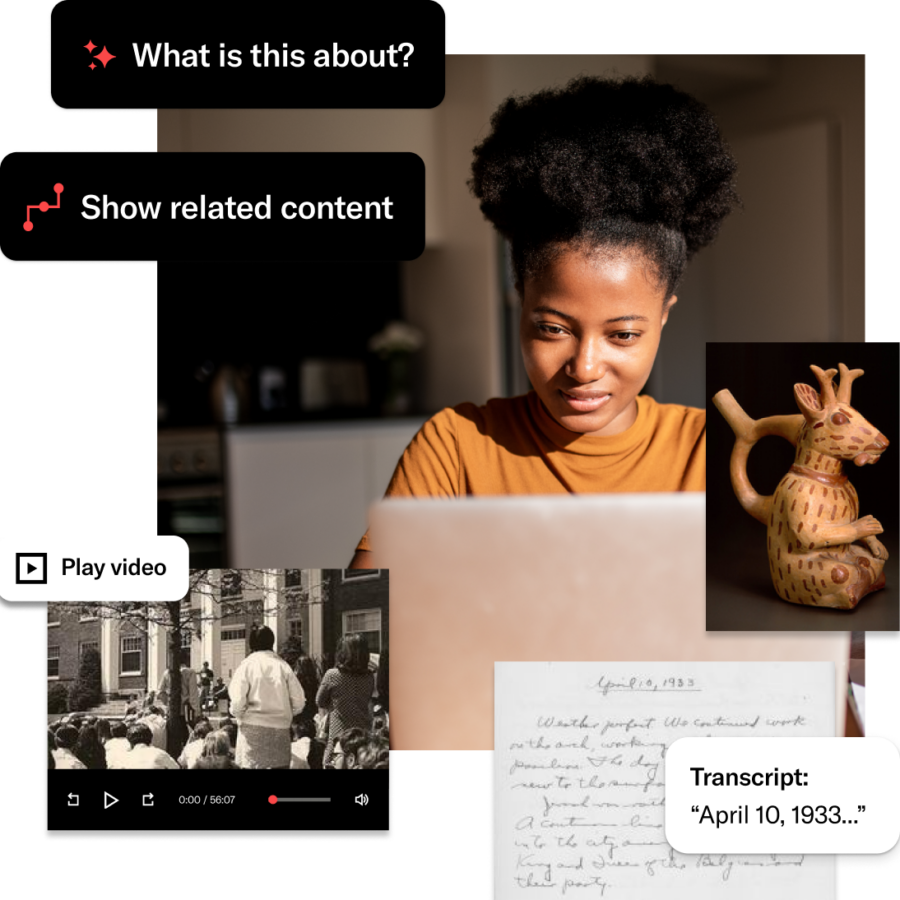
Explore everything JSTOR
has to offer
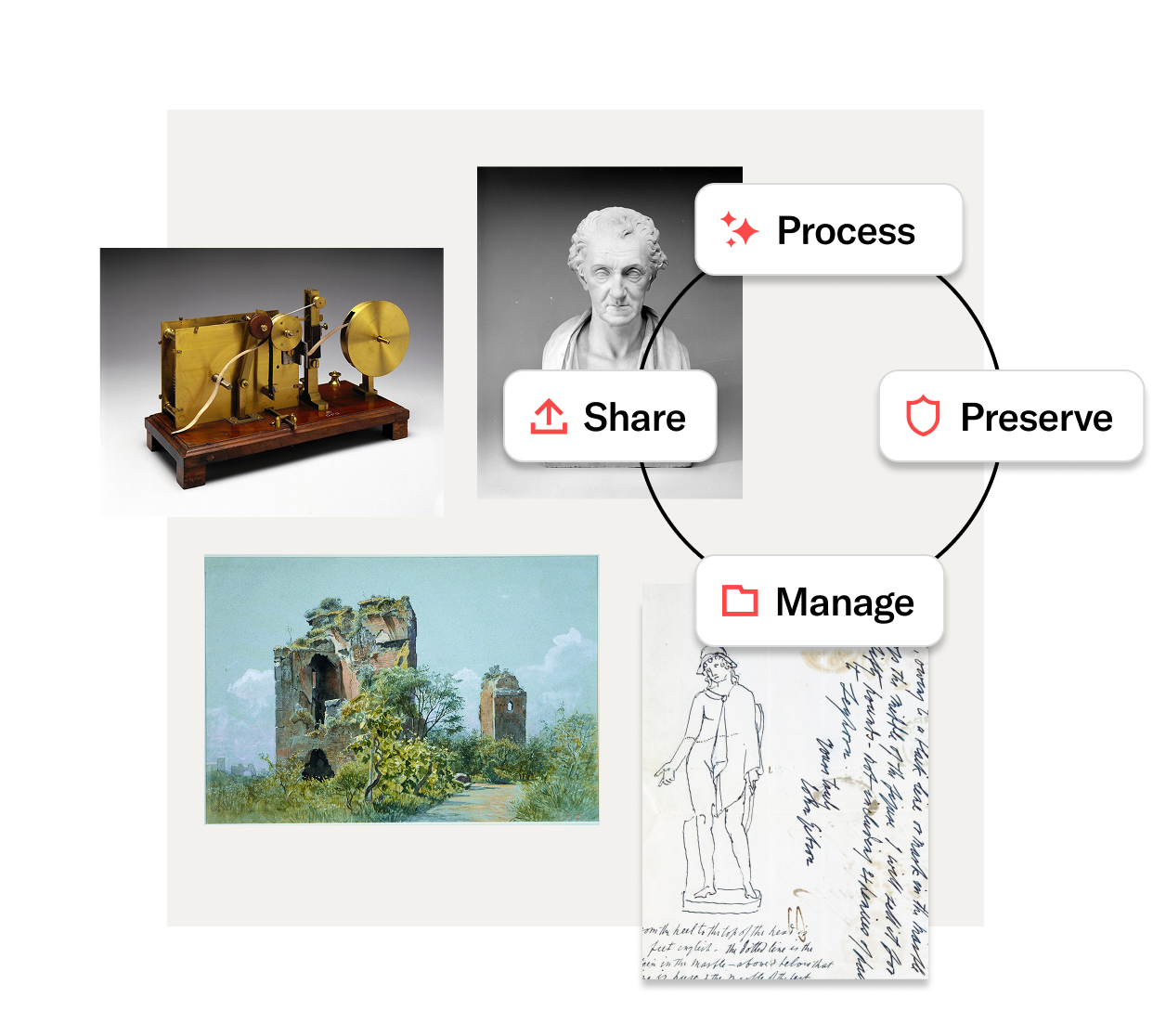
Digital Stewardship Services
Enabled by the AI-powered technology of JSTOR Seeklight, Digital Stewardship Services is a seamless, cloud-hosted platform that helps you process, manage, preserve, and share collections–expanding access worldwide.
Research and teaching platform
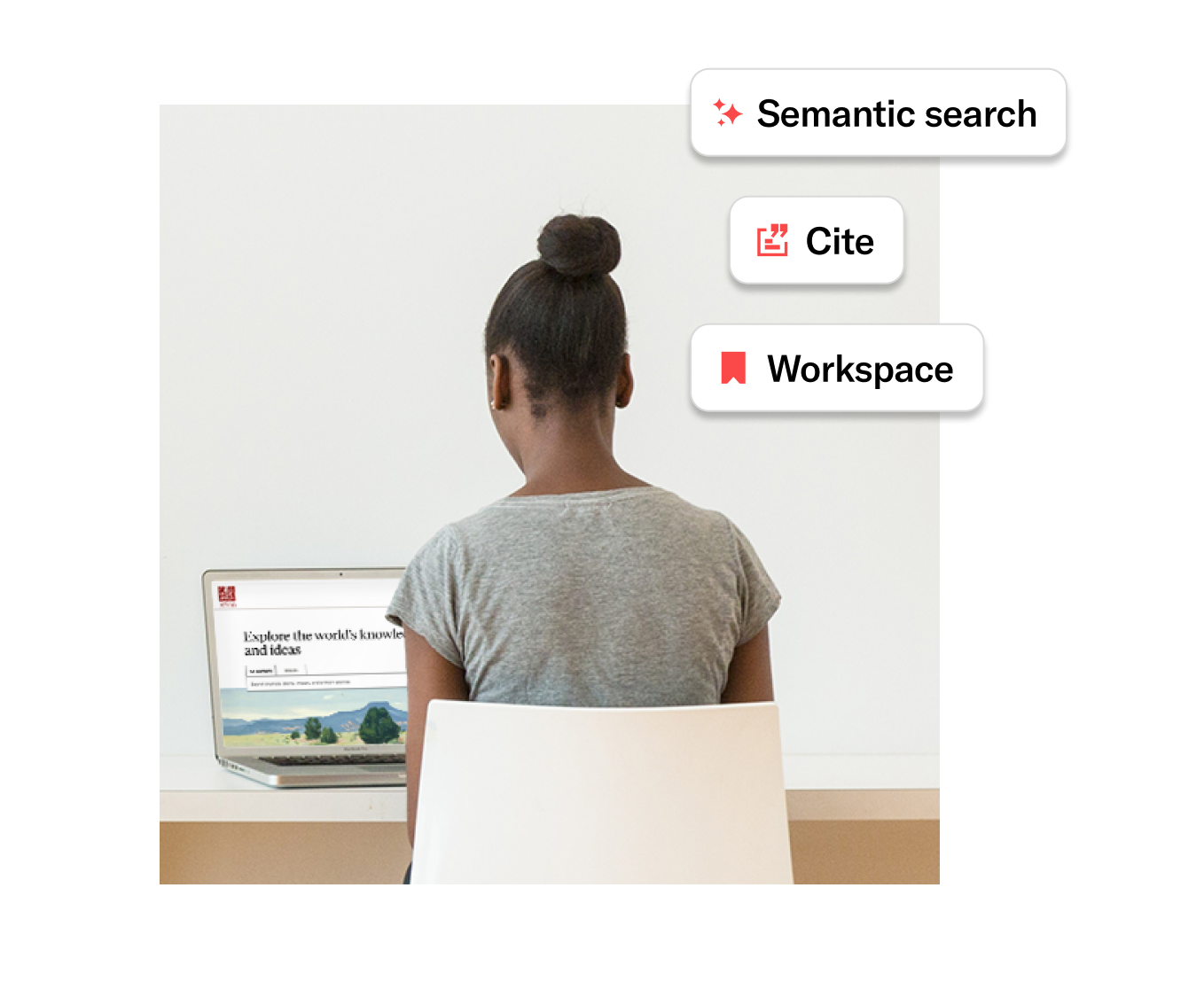
We advance discovery and teaching in the Humanities, Arts, and Social Sciences by using technology to connect researchers and educators with trusted primary and secondary source content.
Content solutions
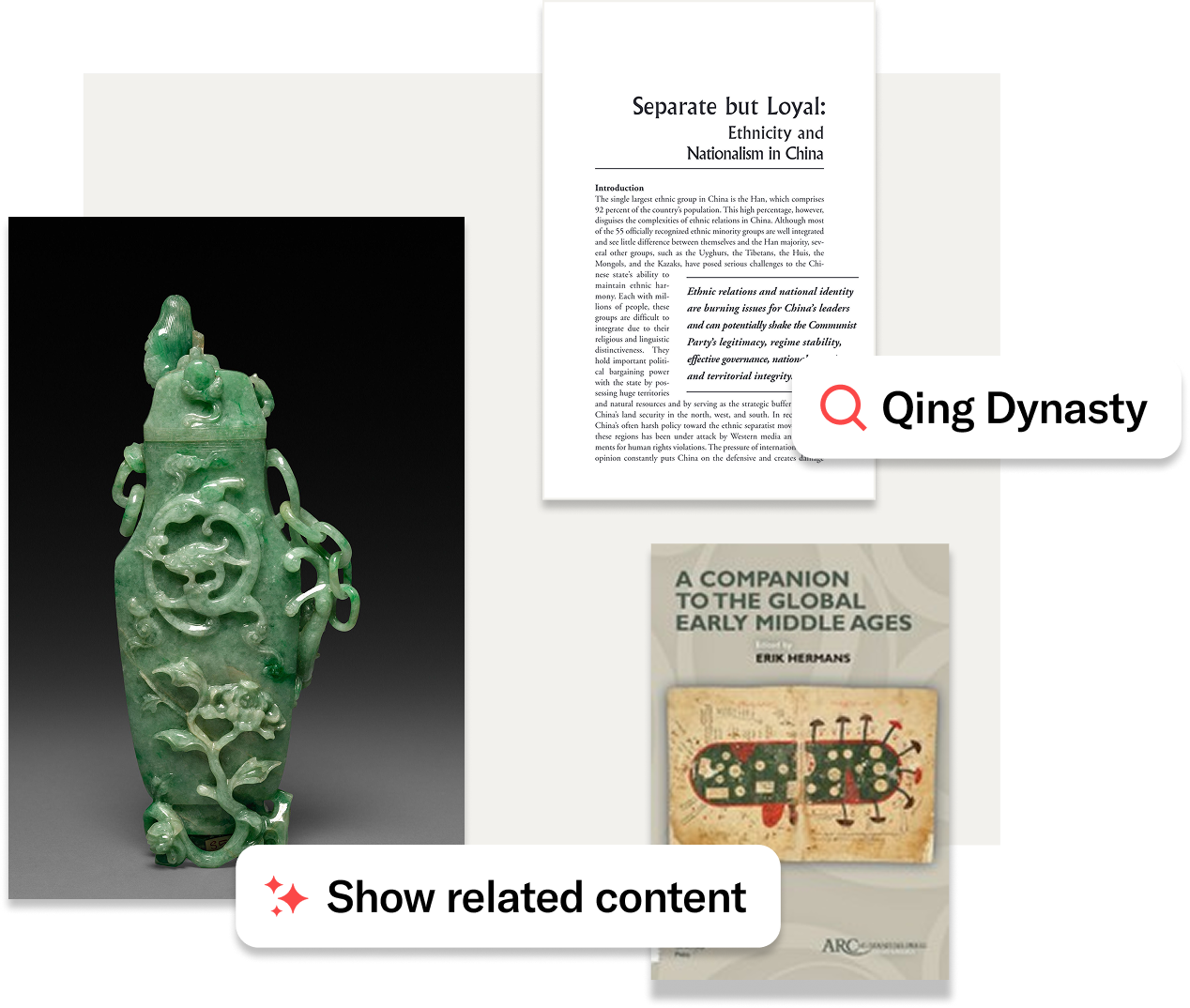
We offer numerous ways for institutions to provide scholarly materials, with content and plans aligned to needs and budgets. Materials will be featured in archival journals and primary sources, Books at JSTOR, Path to Open, Artstor, research reports, and more.
Open and free
Our partnerships with libraries and publishers help us make more content accessible and discoverable. From Open Access journals and ebooks to images, media, research reports, library-supported collections like Reveal Digital, and JSTOR Daily.
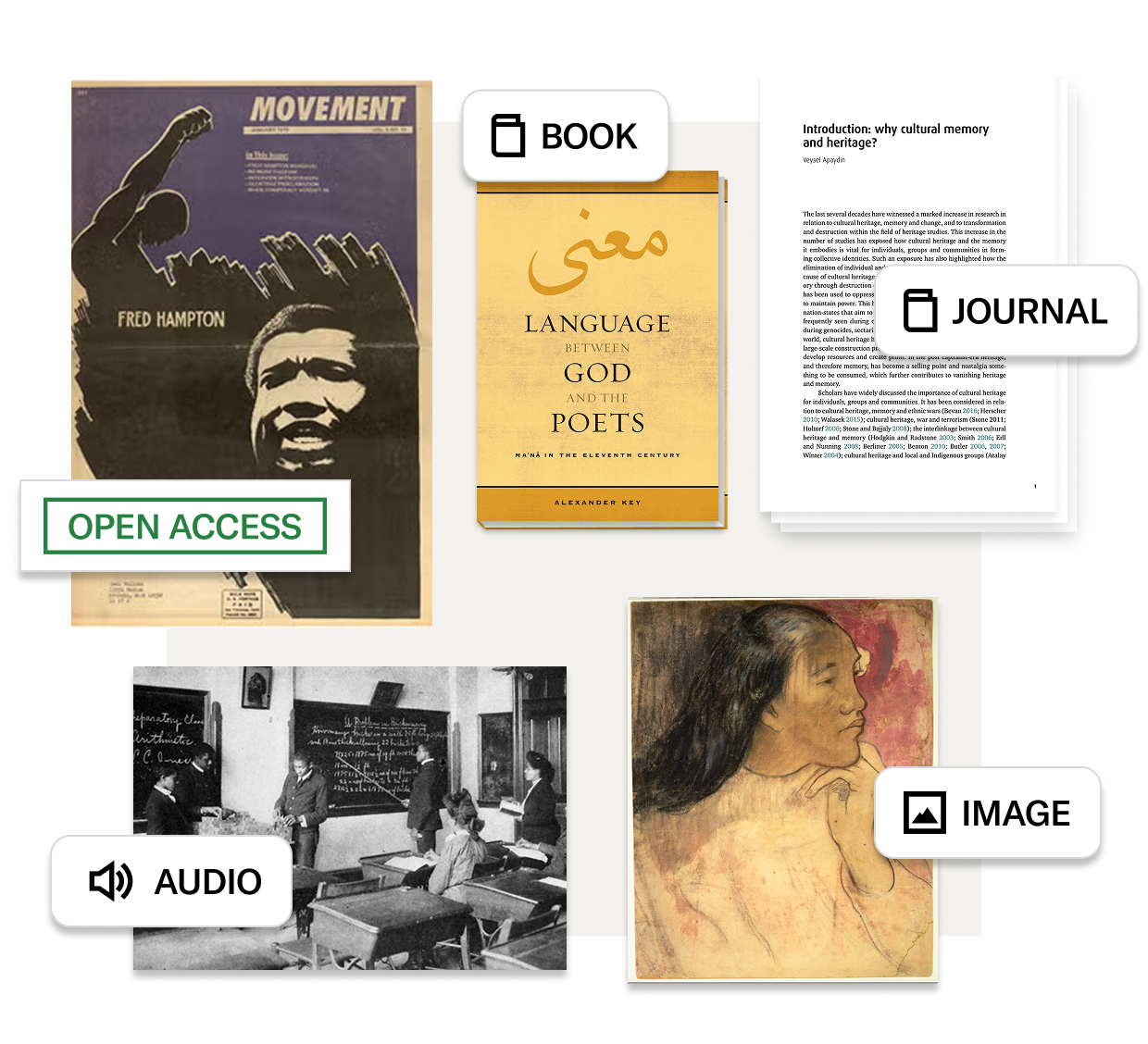
Built with and for our community
Over 30+ years, JSTOR has brought together 14,000+ institutions, 1,850+ publishers, and millions of users to create solutions that reduce costs, extend access, and preserve scholarship.
Discover JSTOR for:
Librarians
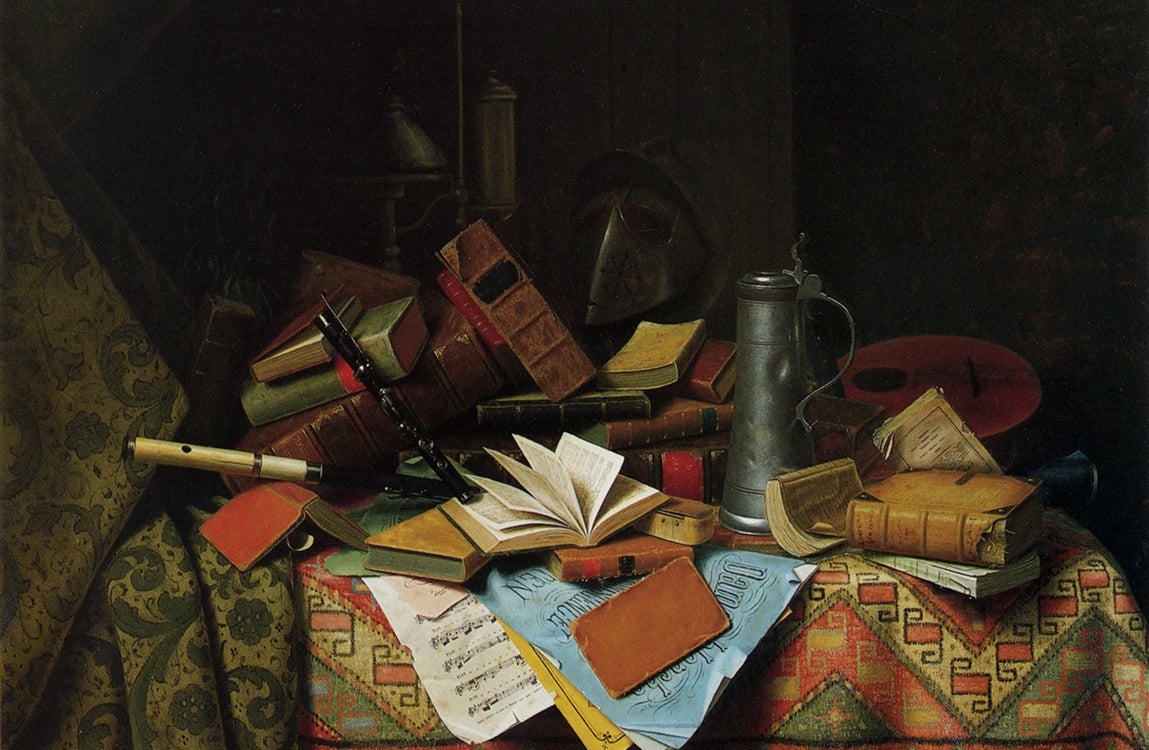
Provide trusted access to more content, and get measurable results
Resources for librarians
Accelerate and scale your work
Digital Stewardship Services helps special collections librarians process, preserve, manage, and share unique collections.

Publishers
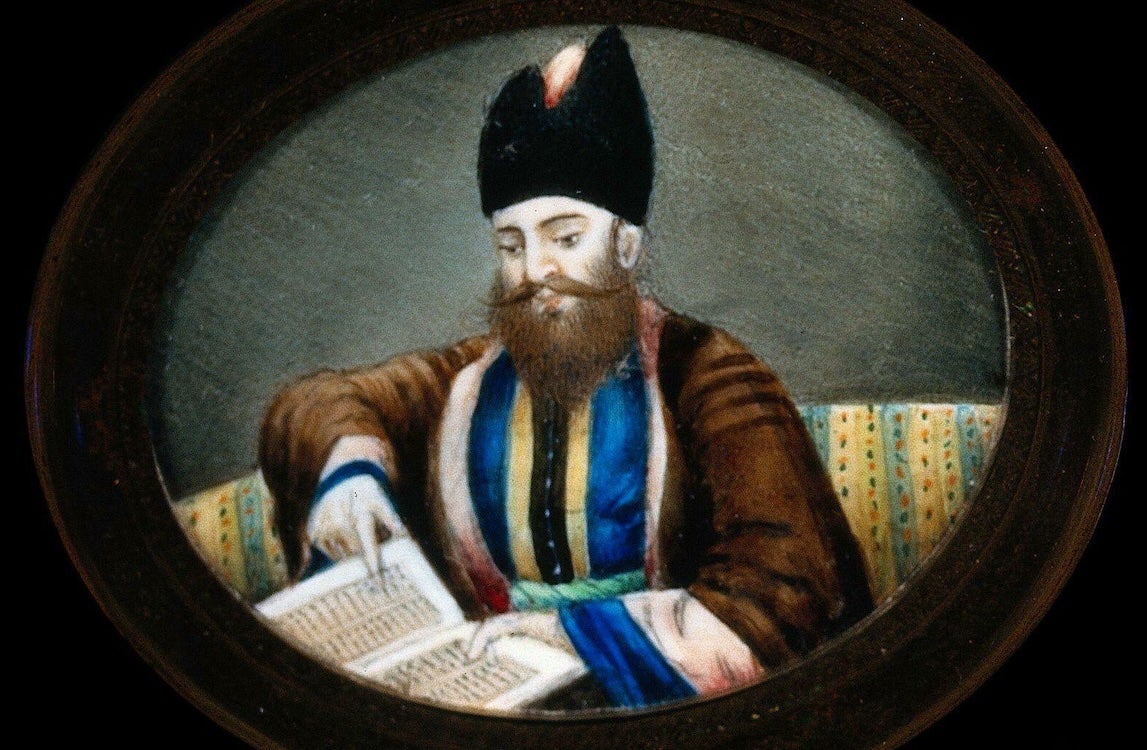
Join 1,850+ academic publishers reaching 14,000 libraries worldwide
Resources for publishers
Collaborate to advance scholarly publishing
Partner with JSTOR to innovate, publish and preserve sustainably—reaching global audiences through programs like Path to Open and Publisher Collections.

Educators
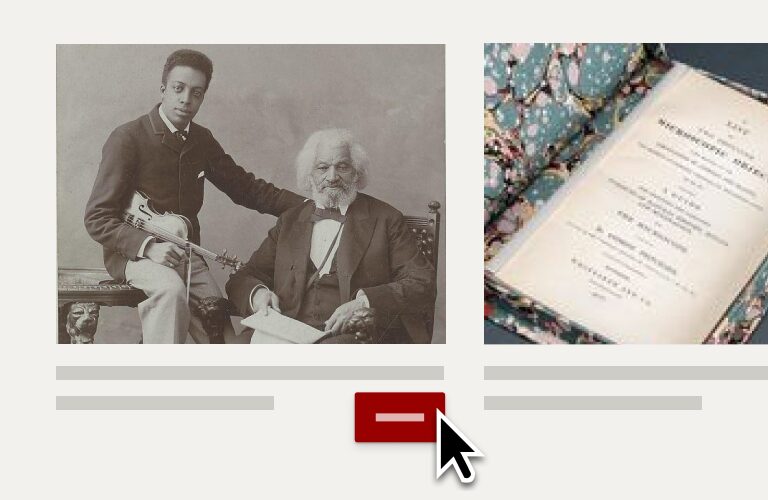
Find materials that align with your syllabus and learning goals–all ready to use and easy to integrate
Resources for educators
Engage your students with assignments you can adapt in minutes
Explore free, ready-to-use teaching resources created by fellow educators and designed to fit seamlessly into your courses.
Students
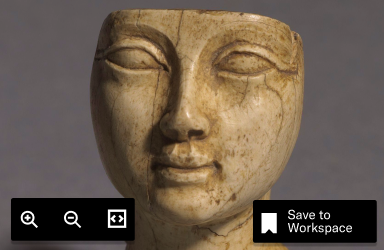
Deepen your research by exploring millions of high-quality, credible sources for any assignment
Resources for students
Search for content that matches your studies
Use your institutional access or browse open content. Either way, JSTOR helps you research with confidence.

Transform your teaching with JSTOR
Bring scholarship to life with easy access to journals, books, primary sources, and multimedia content, all on one platform. JSTOR helps you engage students, build research skills, and design adaptable assignments with diverse, interdisciplinary resources.
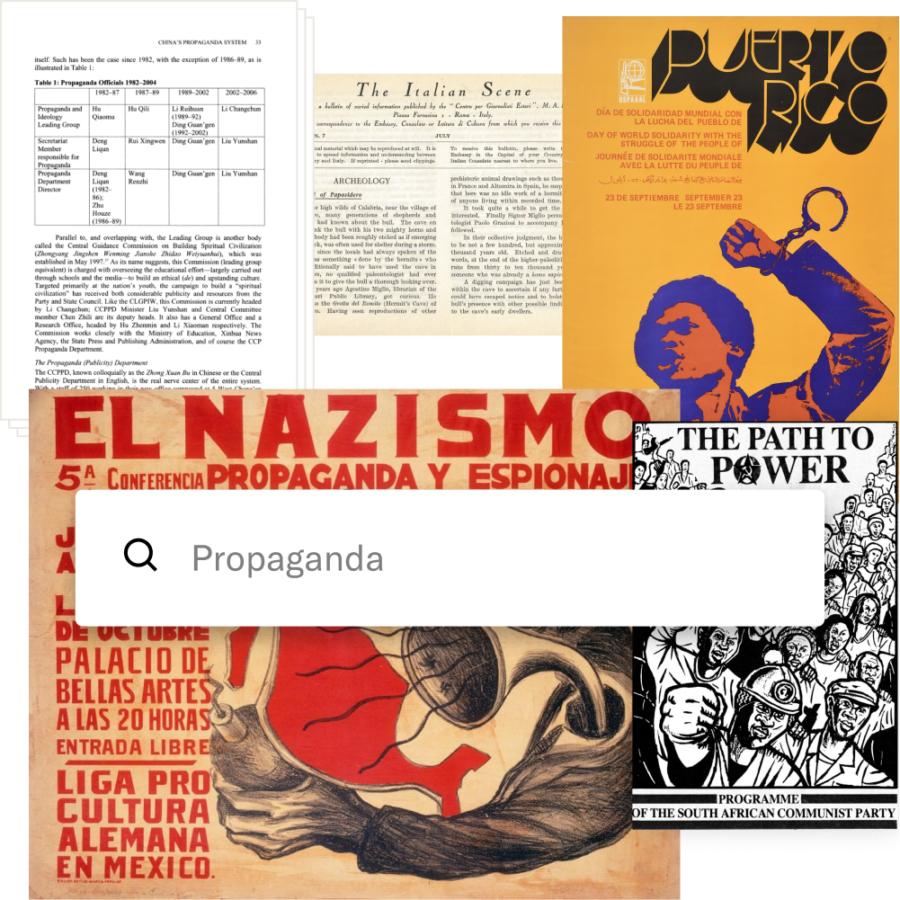
The latest from JSTOR
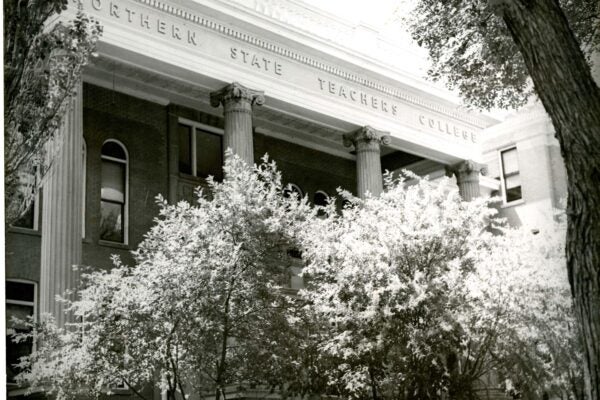
Northern State University joins JSTOR Digital Stewardship Services charter program
Northern State University joins JSTOR Stewardship’s Tier 3 charter program, migrating collections from CONTENTdm to strengthen preservation, discovery, and AI-assisted processing with JSTOR Seeklight.

Now available on Artstor on JSTOR: 1,500 images from the Asheville Art Museum Collection
The Asheville Art Museum has made 1,500 images available on Artstor on JSTOR, highlighting works connected to Black Mountain College, Southern Appalachia, and the changing landscapes of Western North Carolina.
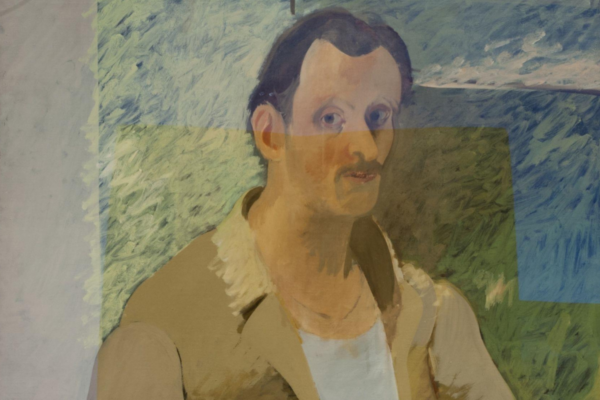
Now Available on Artstor on JSTOR: The Arshile Gorky Foundation
Explore more than 100 images of Arshile Gorky’s work, contributed to Artstor on JSTOR by the Arshile Gorky Foundation. The collection honors the artist’s legacy and his lifelong engagement with art and art history.
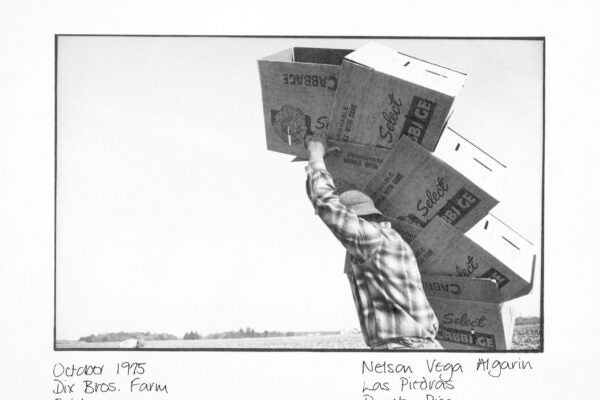
Rowan University joins JSTOR Digital Stewardship Services as charter participant
Rowan University adopts JSTOR Stewardship to strengthen digital collections management, preservation, and discovery while joining a charter community shaping responsible, AI-assisted collections processing.
JSTOR Digital Stewardship Services: Seeklight Field Management workshop
A hands-on workshop for Tier 3 Stewardship admins: Enable and configure JSTOR Seeklight with the new Seeklight Field Management settings.
JSTOR Digital Stewardship Services: Seeklight Field Management workshop
A hands-on workshop for Tier 3 Stewardship admins: Enable and configure JSTOR Seeklight with the new Seeklight Field Management settings.

New Artstor on JSTOR Collection Launch: Asheville Art Museum
Explore more than 1,500 images of American art from the Asheville Art Museum, including works by Black Mountain College artists Ruth Asawa and Robert Rauschenberg, glass artist Mark Peiser, and contemporary artist Wendy Red Star.
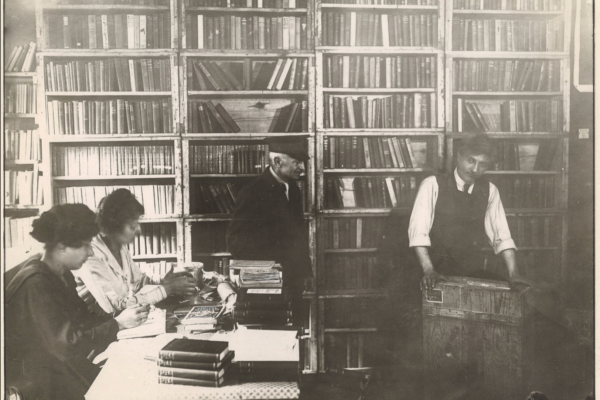
What’s new in JSTOR Stewardship: October 2026
Explore the latest from JSTOR Stewardship in October 2026, including new participating institutions, distinctive collections now discoverable on JSTOR, and community perspectives on digital preservation, collaboration, and the future of collections stewardship.
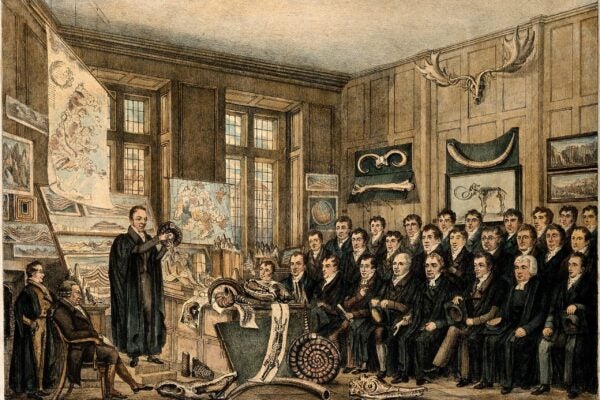
Teach academic research with JSTOR: A flexible lesson plan
Help students move from a broad research topic to a focused, organized set of sources with this flexible JSTOR lesson plan. Designed for a 30–45-minute class or training session, it covers searching, evaluating materials, using Workspace, and citing sources. Adapt the activities and customizable slide deck to your students’ needs.
Sign up for updates
Never miss a thing. Get updates from JSTOR delivered straight to your inbox.
By signing up you agree to our Privacy Policy. You may unsubscribe at any time by clicking on the provided link on any marketing message.
"*" indicates required fields
View image credits from this page
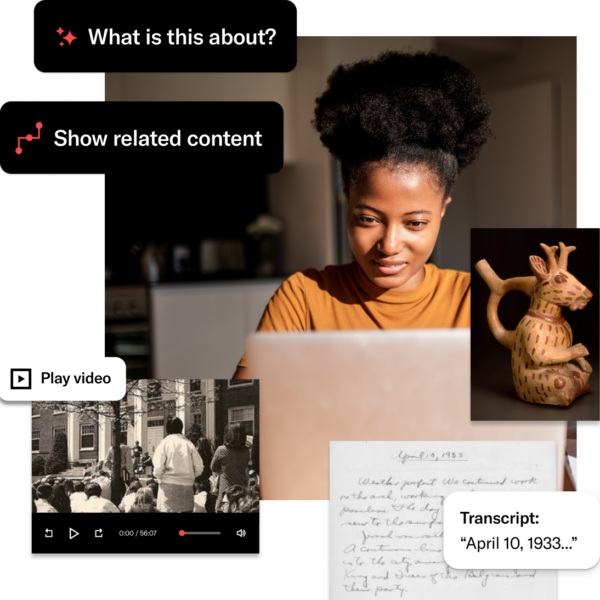
Jerash Diary (March 31, 1933 – July 1, 1933): April 24, 1933. n.d. Part of Dura-Europos and Gerasa (Yale University), Artstor.
John Pruitt, Benjamin E. Mays, and WSB-TV. Mays Discusses Desegregation’s Effect on the Quality of Education. January 22, 1970. Part of WSB-TV newsfilm collection, University of Georgia Digital Library of Georgia.
Moche Culture. Seated Figure of Deer Impersonator. 250 – 550 A.D. Part of Art Institute of Chicago, Artstor.
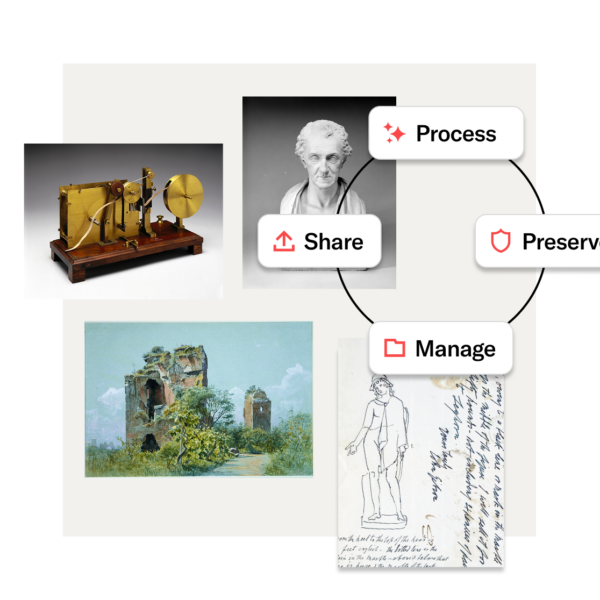
John Gibson. Bust of a Gentleman. ca. 1830–40. Part of Open: The Metropolitan Museum of Art, Artstor.
Unknown maker. Bain’s Chemical Telegraph, 1850. 1850. Part of Open: Science Museum Group, Artstor.
William Stanley Haseltine. Baths of Trajan (Sette Sale, Villa Brancaccio, Rome). ca. 1882. Part of Open: The Metropolitan Museum of Art, Artstor.
F., A. B. Durand, Gulian C. Verplanck, J. E. Freeman, and John Gibson. “Sketchings.” Thomas J. Watson Library, The Metropolitan Museum of Art. The Crayon 5, no. 1 (1858): 23–27.
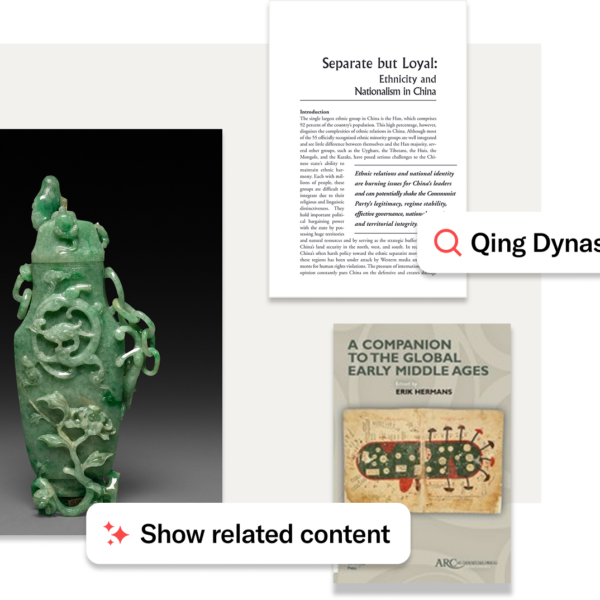
Chinese. Three-Sectional Altar Group: Cylindrical Carving with Phoenix (Lid). 1644–1911. Part of Open: The Cleveland Museum of Art, Artstor.
Wenfang Tang and Gaochao He. “Separate but Loyal: Ethnicity and Nationalism in China.” East-West Center, 2010.
Erik Hermans. A Companion to the Global Early Middle Ages. Editorial: Leeds, Arc Humanities Press, 2020.
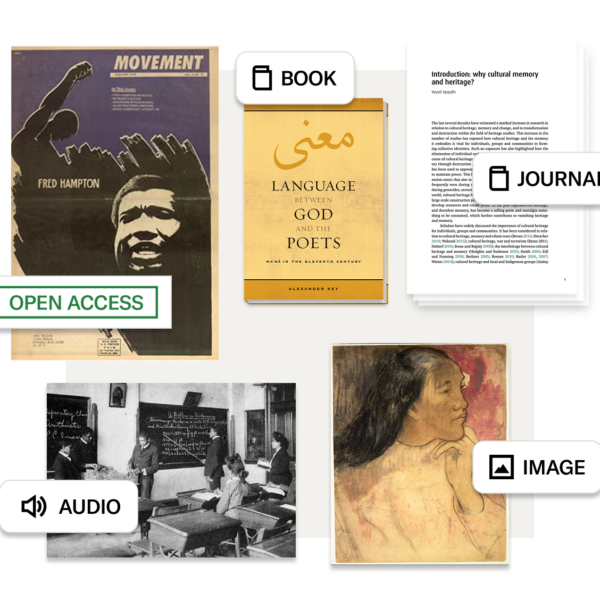
Alexander Key. “Front Matter.” In Language between God and the Poets: Ma‘na in the Eleventh Century, 1st ed., i–viii. University of California Press, 2018.
Veysel Apaydin. “Introduction: Why Cultural Memory and Heritage?” In Critical Perspectives on Cultural Memory and Heritage: Construction, Transformation and Destruction, edited by Veysel Apaydin, 1–10. UCL Press, 2020.
Doubleday, Page & Company. An Academic Class; A Problem in Brick Masonry; Mr. Washington Always Insisted upon Correlation: That Is, Drawing the Problems from the Various Shops and Laboratories. Published: Garden City, N.Y., Issued: 1916. Schomburg Center for Research in Black Culture; Jean Blackwell Hutson Research and Reference Division. Part of Booker T. Washington, builder of a civilization, Schomburg Center for Research in Black Culture (New York Public Library), Artstor.
The Movement. January 1970. Vols. 5–12. The Movement Press. Periodical, The Movement Newspaper collection. The Freedom Archives.
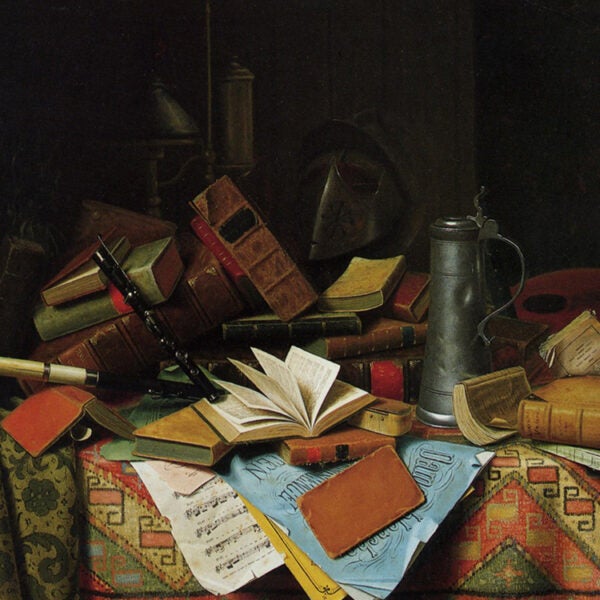
William Michael Harnett. A Study Table. 1882. Part of Minneapolis College of Art and Design Collection, Artstor.
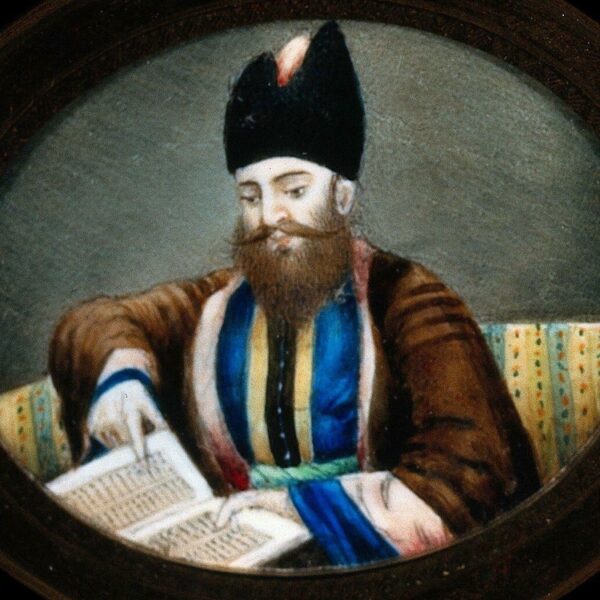
An Indian (?) Man Seated, Reading a Book. n.d. Part of Open: Wellcome Collection, Artstor.
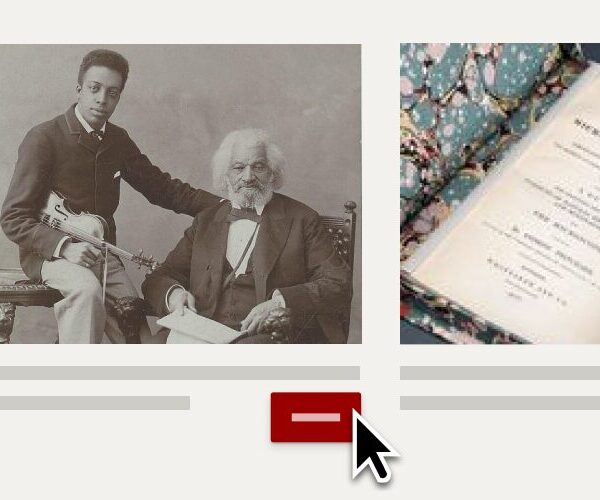
Whittaker and Company, and Andrew Pritchard. “A List of Two Thousand Microscopic Objects” Book by Andrew Pritchard, England, 1835, 1835. Part of Open: Science Museum Group, Artstor.
Denis Bourdon. Cabinet Card of Frederick Douglass with His Grandson, Joseph Douglass. May 10, 1894. Part of Charlene Hodges Byrd Collection, Open: Smithsonian National Museum of African American History & Culture, Artstor.
Egyptian. Face from a Cosmetic Spoon. 1391–1353 BC. Part of Open: The Cleveland Museum of Art, Artstor.
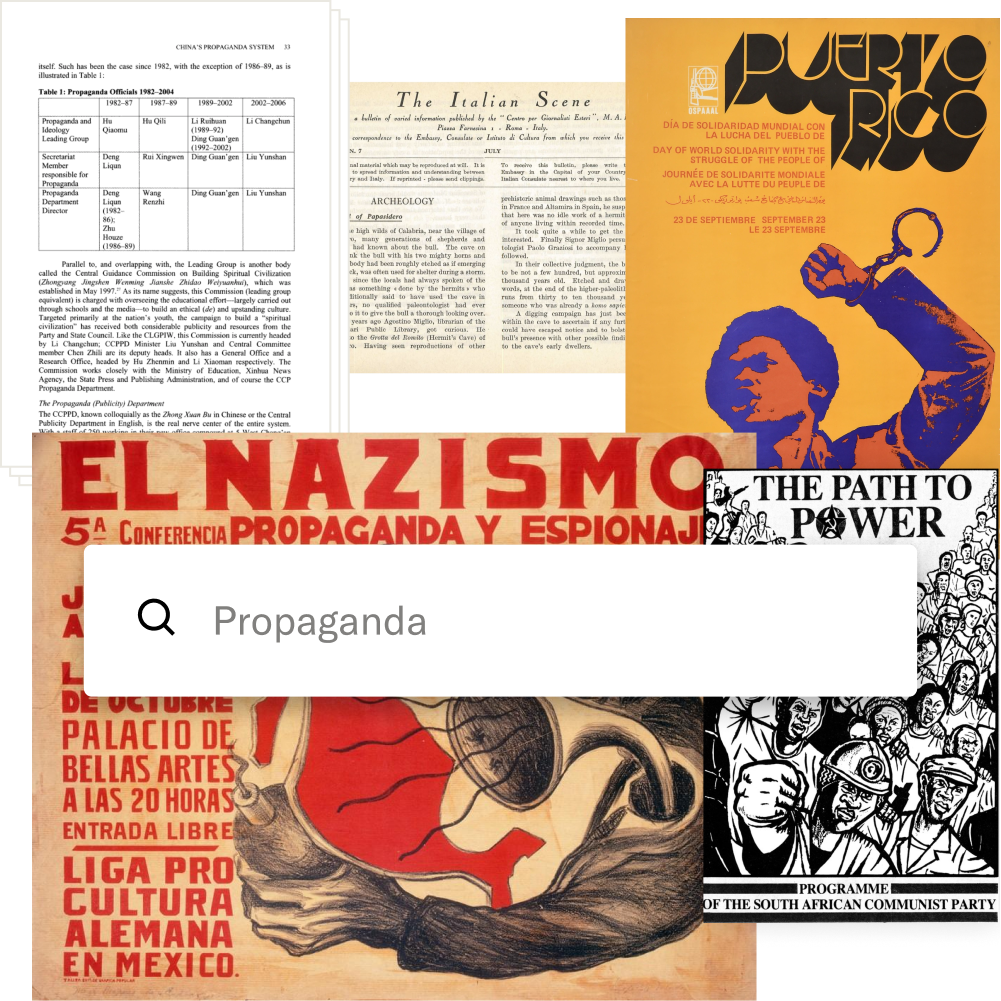
Rolando Córdova Cabeza. Day of World Solidarity with the Struggle of the People of Puerto Rico. 1976. Part of The Lindsay Webster Collection of Cuban Posters, Wofford College.
South African Communist Party. The Path to Power. Programs (Programmes), 1989. Part of South African Communist Party, Struggles for Freedom: Southern Africa.
Leopoldo Mendez. Nazi Propaganda and Espionage. 1937. Part of Seattle Art Museum, Artstor.
“The Italian Scene. Vol. XV – N.6 June 1969” XV, no. 6 (June 1, 1969): 1–16. Part of The Italian Scene. A Bulletin of Cultural Information (1953-1969), Sorbello Foundation.
David Shambaugh. “China’s Propaganda System: Institutions, Processes and Efficacy.” The China Journal, no. 57 (2007): 25–58.