
JSTOR for librarians
JSTOR is a mission-driven nonprofit working hand-in-hand with 14,000+ libraries worldwide to expand access to knowledge. Together, we make research, teaching, and digital collection stewardship more affordable, sustainable, and impactful for your community.
Explore resources, tools, and services designed to help you strengthen collections, support faculty and students, and steward your institution’s distinctive materials.
01
New and noteworthy
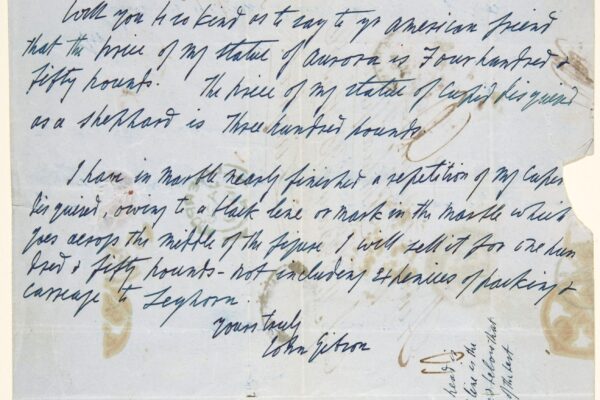
Beyond description: Introducing transcript generation in JSTOR Seeklight
JSTOR Seeklight now generates transcripts for typed and handwritten items, making every word searchable and accessible while keeping editors in control. Available now for Tier 3 participants.
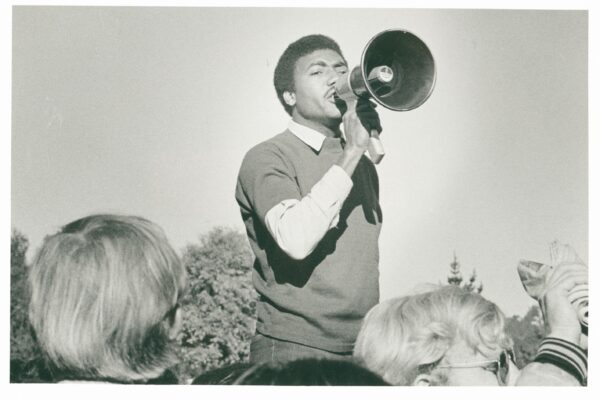
Behind the scenes of Reveal Digital: An open-access primary source collection on JSTOR
Discover the story behind Reveal Digital, an open access primary source collection on JSTOR highlighting underrepresented 20th-century voices of dissent. Learn how library crowdfunding, collaboration, and preservation have built a resource of over 70,000 items.
What scholars are reading: Top-read JSTOR ebooks and editor picks
Discover what’s captivating scholars across disciplines on JSTOR. From art and history to sociology and political science, we’re spotlighting the most-read academic ebooks—plus editor-recommended titles shaping today’s academic conversations.
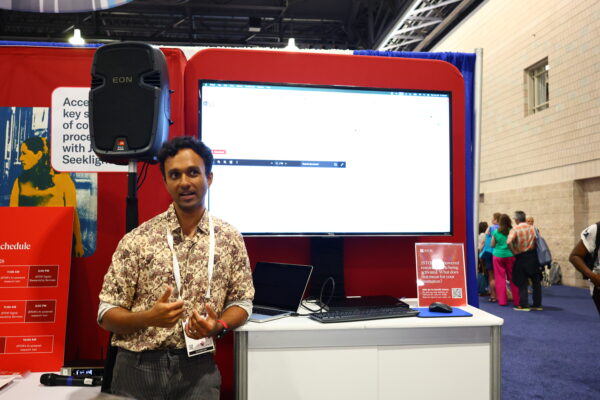
A new chapter for JSTOR’s AI research tool: Reflections on community engagement, insights from ALA, and what’s next
JSTOR’s AI research tool (formerly known as the Interactive Research Tool) has officially launched for all JSTOR-participating institutions. In this blog post, explore the tool’s development history, recent updates, and community insights JSTOR team learned from this year’s American Library Association conference.
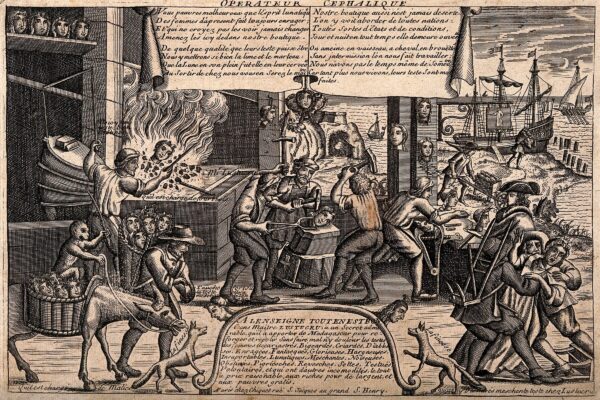
From isolation to connection: Maria Rovito’s journey with JSTOR
For educator and researcher Maria Rovito, JSTOR became more than a research tool—it became a bridge from isolation to connection. Drawing on JSTOR’s interdisciplinary collections, Maria helps students trace the evolution of medical and cultural ideas while reimagining research as a collective act of care.
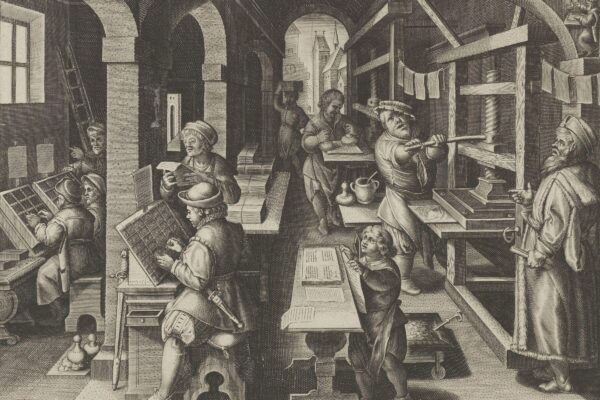
A new model for scholarly ebooks: Publisher Collections built with, and for, librarians and publishers, to serve readers today and tomorrow
A new nonprofit-led model from JSTOR offers libraries and publishers a more sustainable, equitable, and integrated ecosystem for scholarly ebooks.
02
Bring trusted scholarly resources to your institution
Journals
Provide your community with long-term access to a vast archive of 2,800+ academic journals spanning the humanities, social sciences, and sciences. Collections include coverage back to first issues, stable URLs for persistent linking, and high-quality metadata to support discovery, course adoption, and citation.
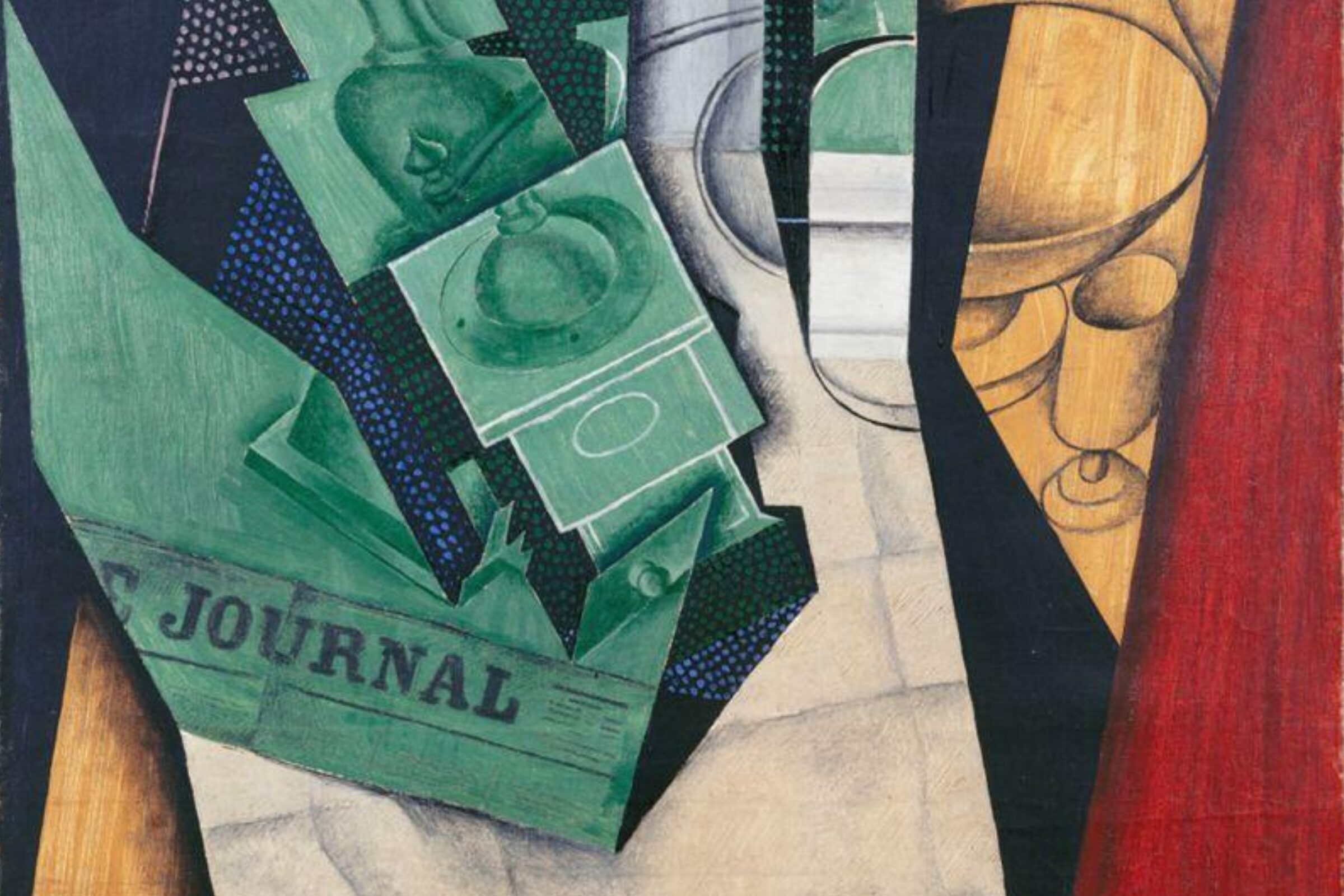
Primary sources
Power rigorous inquiry with access to millions of primary sources spanning centuries and cultures. From manuscripts, newspapers, and letters to photographs, posters, and political ephemera, JSTOR’s curated materials support original scholarship and strengthen contextual understanding across the humanities and social sciences.
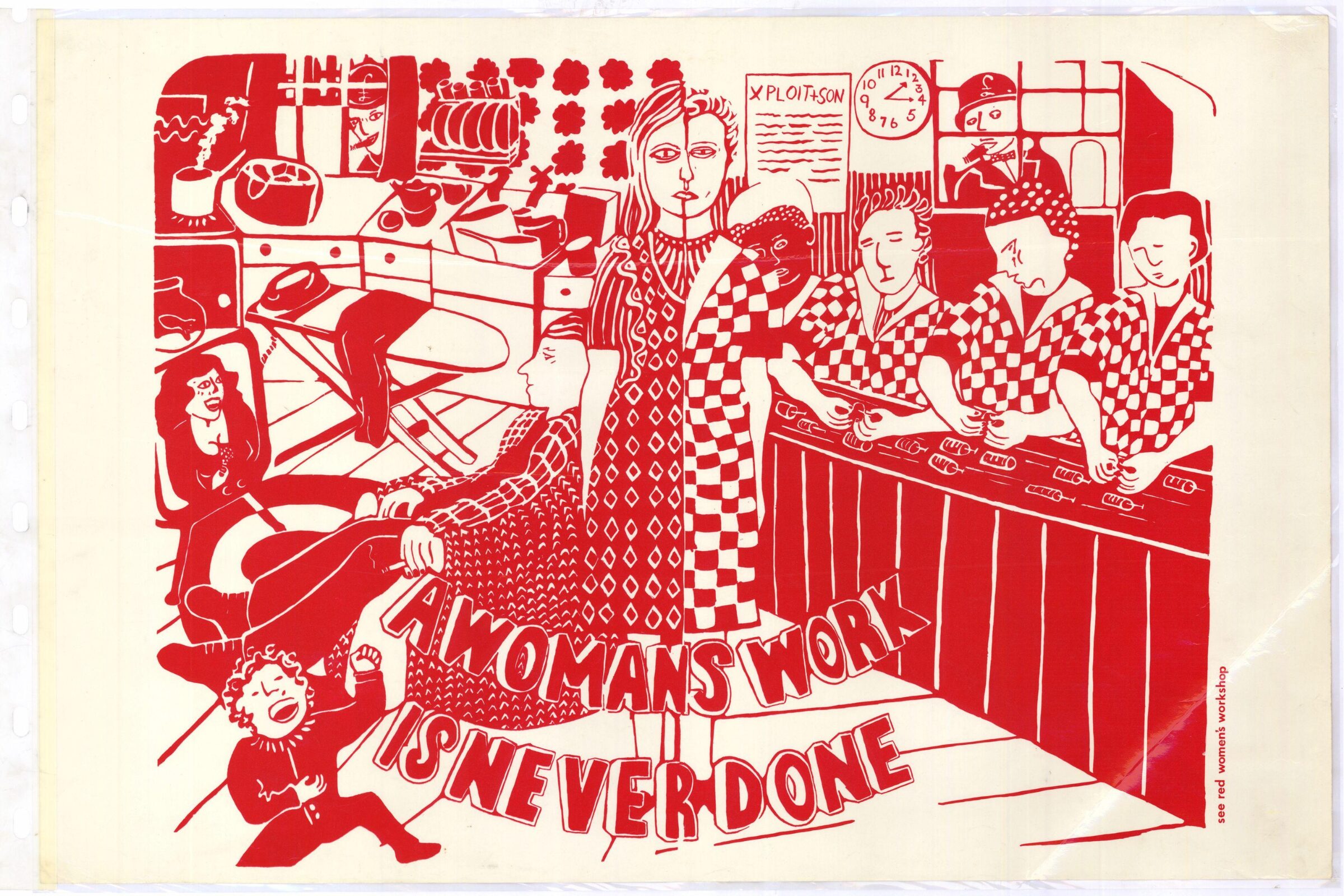
Licensed primary source collections
Equip researchers and students with millions of rare and unique primary sources—from manuscripts and newspapers to photographs, ephemera, government documents, and more. All materials are fully integrated with JSTOR’s secondary literature to support deep, contextual inquiry.
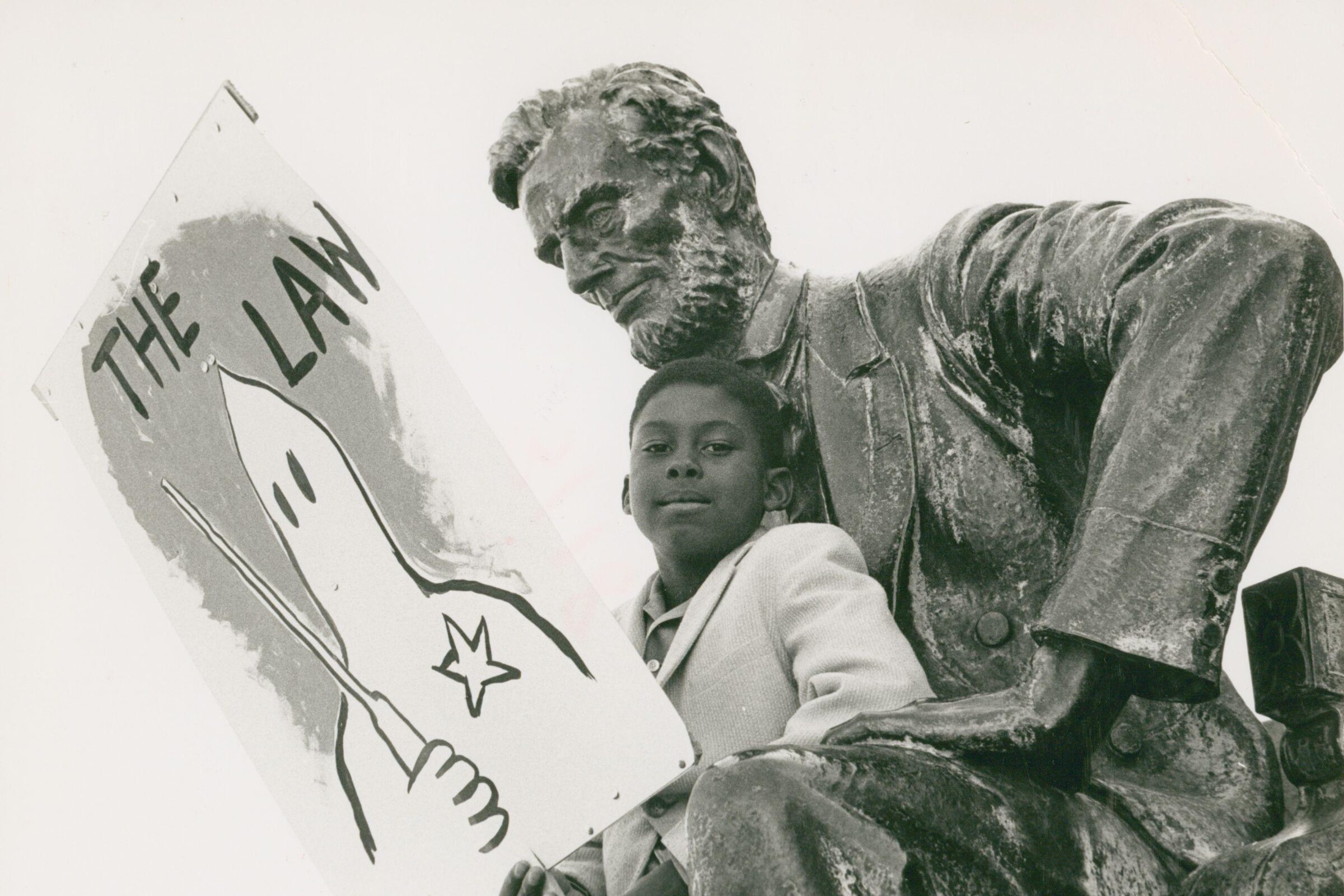
Reveal Digital
Build and sustain open access primary source collections that center historically underrepresented voices. Reveal Digital’s library-funded model ensures equitable access, collaborative development, and long-term preservation.
Books
Support teaching and research with 168,000+ DRM-free scholarly ebooks from 340+ academic publishers—including 13,000+ open access titles. Chapters appear directly in JSTOR search results alongside journals and primary sources, streamlining course integration and student research.
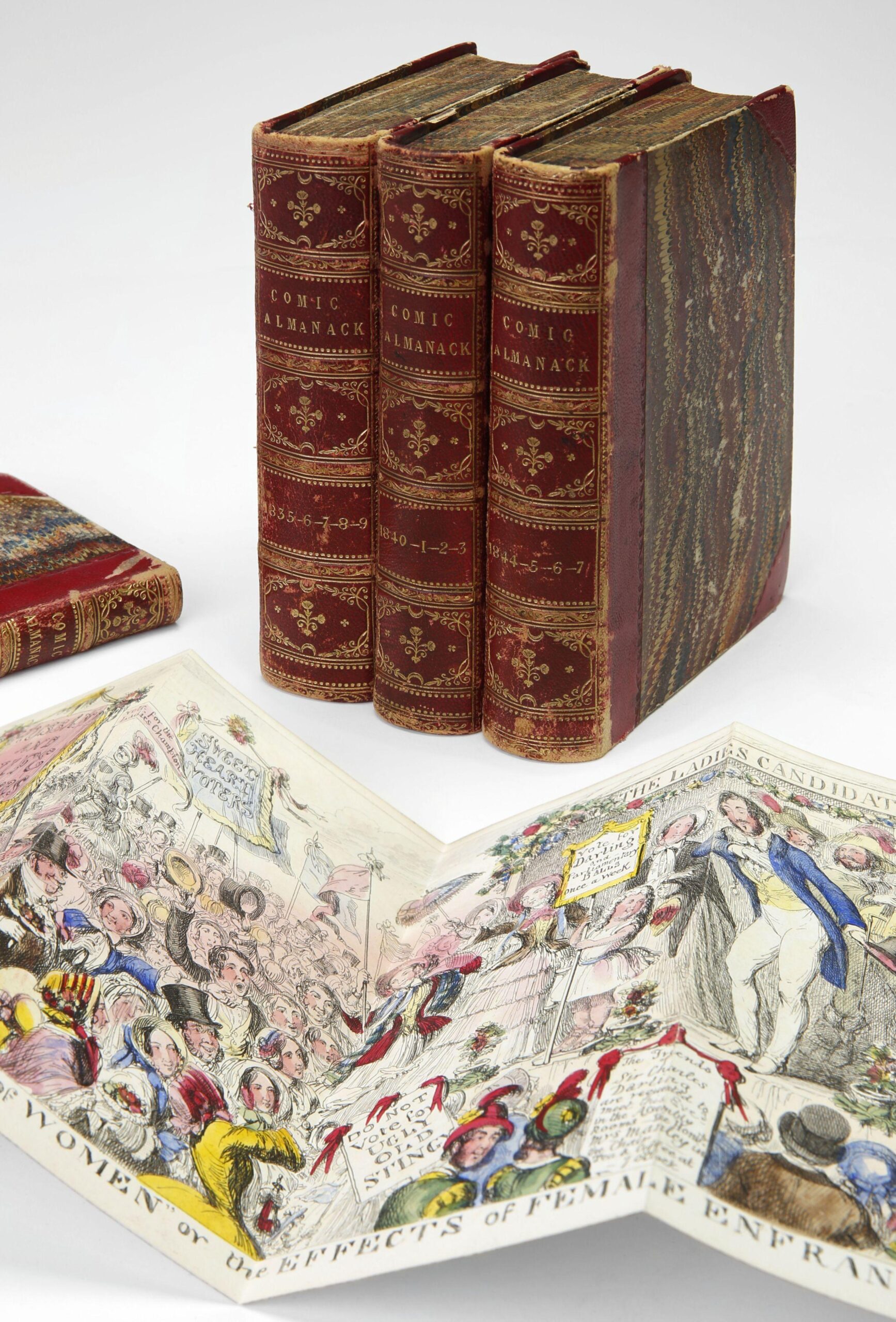
Images
Provide access to 3+ million high-quality images from museums, archives, and scholarly collections worldwide. Detailed rights and source information make them easy to use in instruction, digital exhibits, and research.

Open and free content
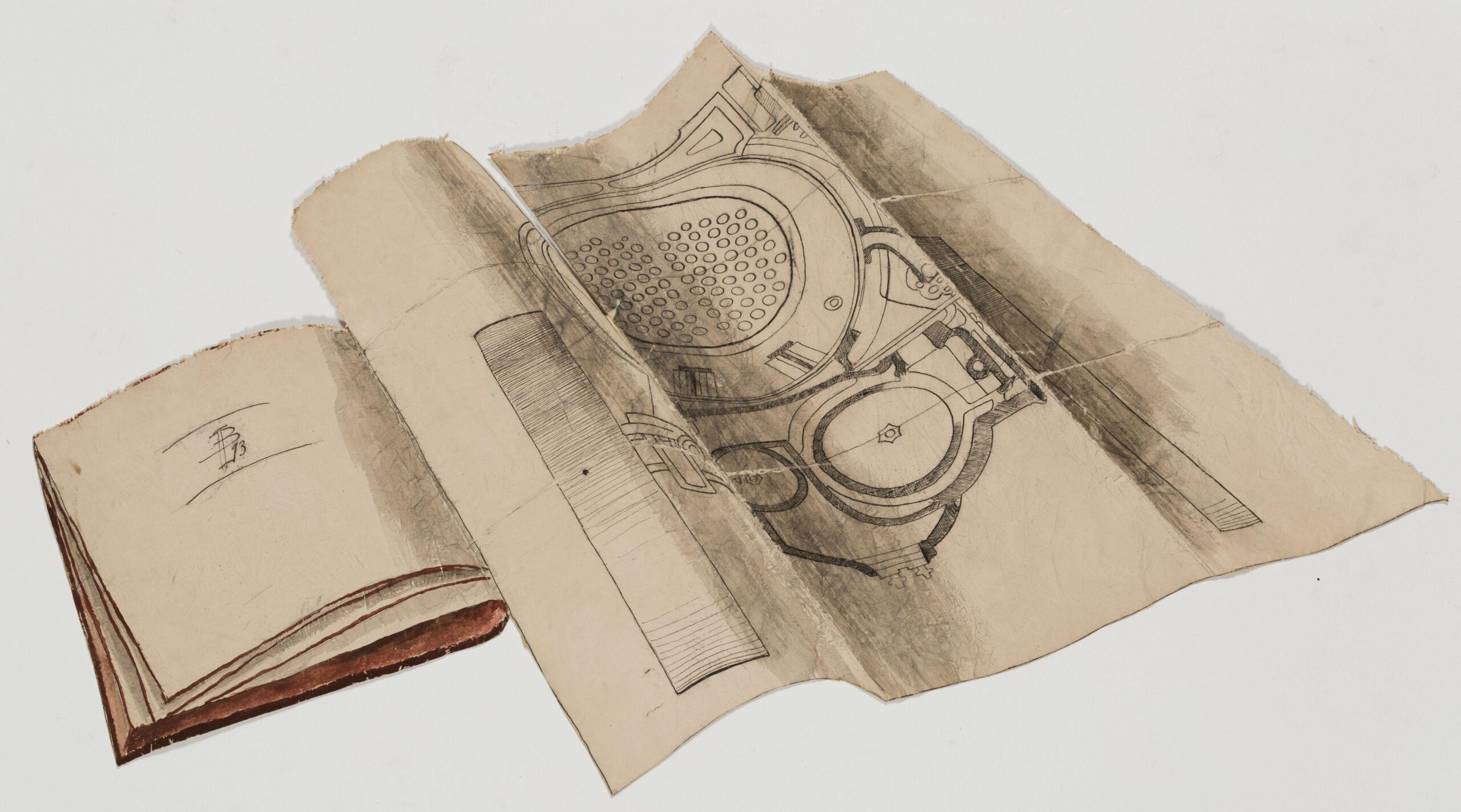
Share and teach with open access journals, books, primary sources, research reports, and nearly one million public images—freely available to anyone and supported by stable links ideal for syllabi, guides, and outreach.
03
Digital Stewardship Services
Digitize and share your institution’s distinctive collections with more than 104 million visitors each year. Preserve your collections with Portico and use JSTOR Seeklight to rapidly generate descriptive metadata at scale.

04
For classrooms and instruction
Support faculty with resources that make it easier to integrate high-quality scholarly content into their courses. JSTOR offers instruction-ready materials that cut prep time, foster research skills, and help students connect classroom learning with real-world evidence.
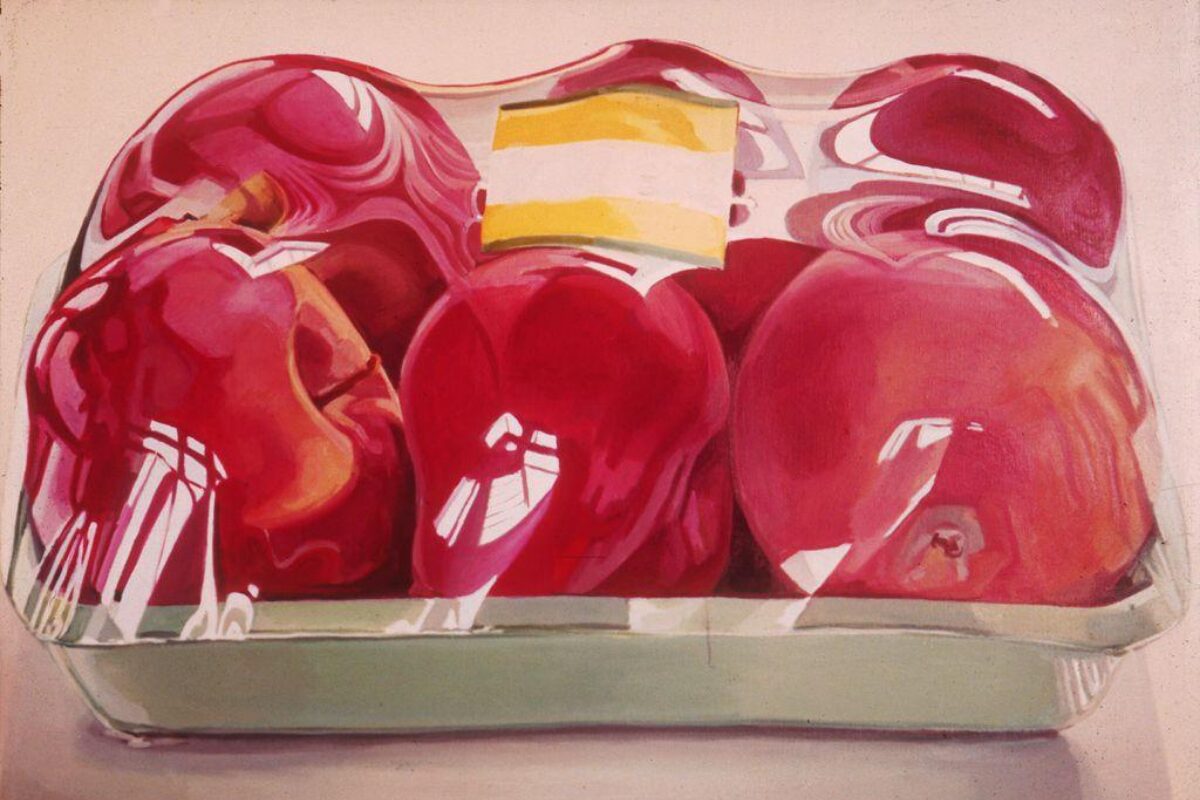
Ready-to-use materials to support your faculty
Provide faculty with curated, instruction-ready materials—including lesson plans, classroom activities, and assignments—each aligned with JSTOR content and designed to build research skills, critical thinking, and subject fluency.
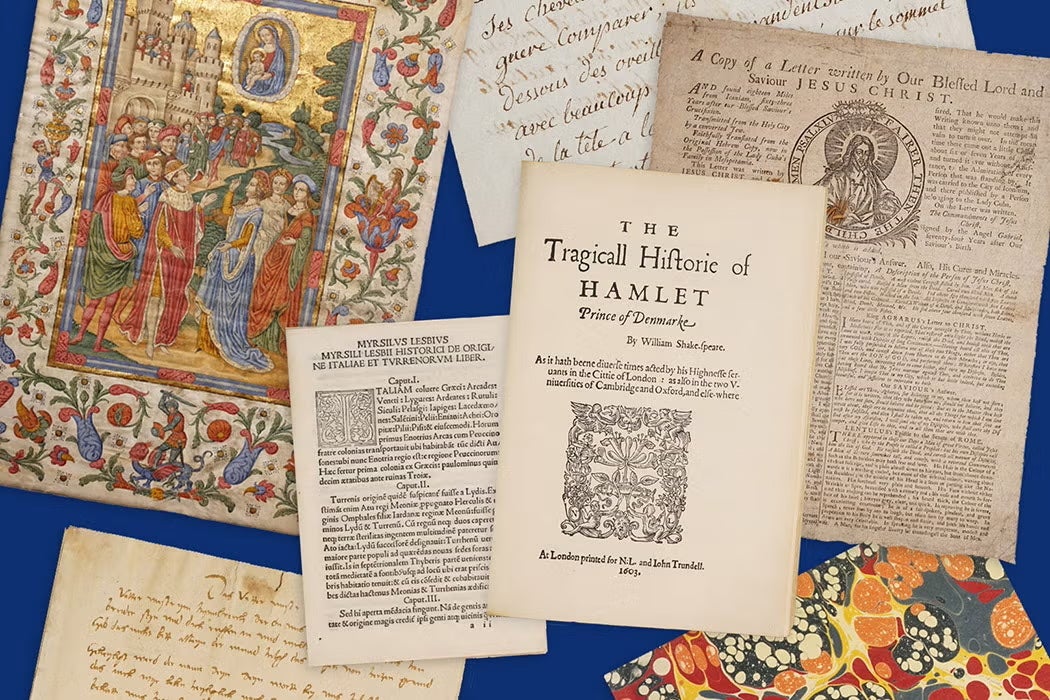
Engaging articles to spark discussion and deepen inquiry
Equip faculty with engaging articles that connect current events, cultural moments, and big ideas to peer-reviewed research. JSTOR Daily’s accessible writing and built-in links to free JSTOR sources make it ideal for assignments, discussions, and community programming.

Build confident researchers with Research Basics
Help students master the foundations of academic research with Research Basics—JSTOR’s free, self-paced online course designed for learners new to scholarly inquiry. Through short, interactive lessons and practice activities, students build essential skills in searching effectively, evaluating sources, and using information ethically.
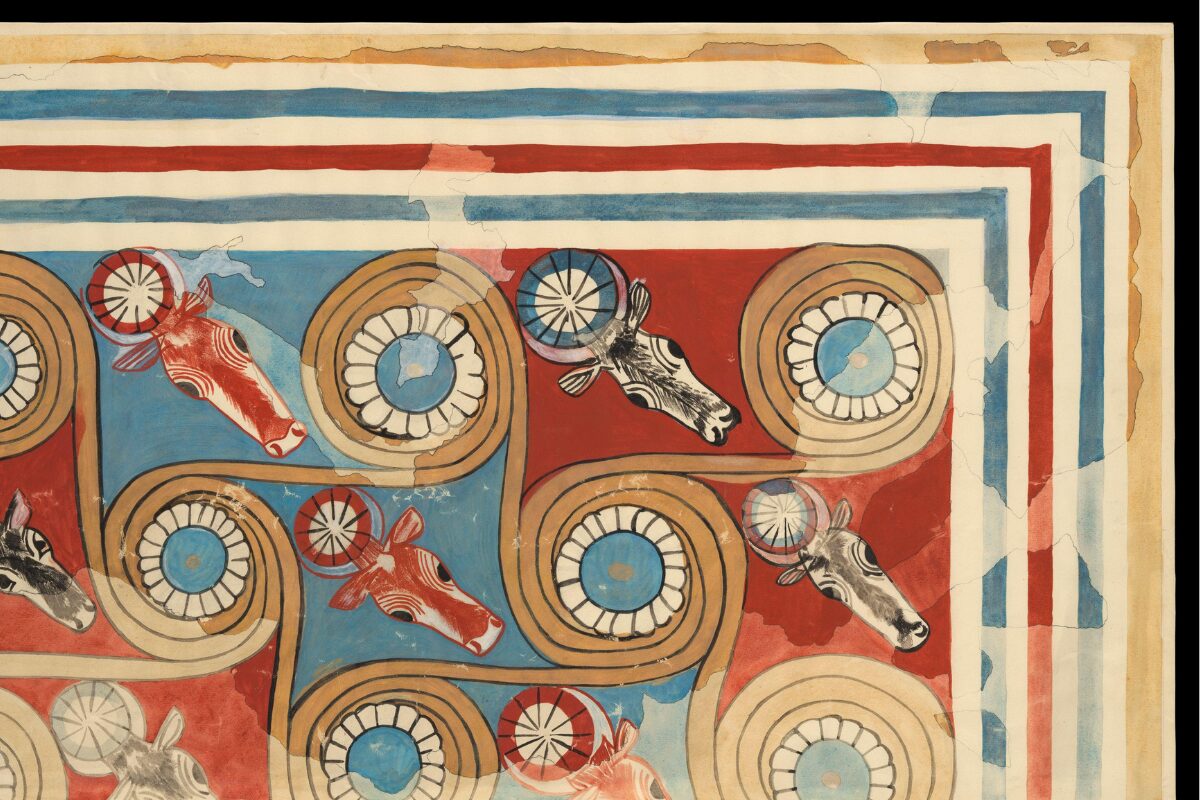
Interactive annotation that turns reading into conversation
Give faculty and students a powerful way to engage with JSTOR content using Hypothesis social annotation. Foster close reading, spark peer dialogue, and build stronger information literacy skills—all directly within your LMS.
05
Tools for librarians
Admin portal
Manage holdings and entitlements, review settings, and access reports all in one place.
Support and training
Step‑by‑step guidance for setup, troubleshooting, and instruction.
Promotional toolkits
Ready-to-use web copy, social graphics, and email templates to help you share and promote library-provided access.
LibGuides
Learn how to best use the content and features JSTOR has to offer.
06
Your experience matters. Partner with JSTOR to share practical insights, teaching strategies, and collection stewardship knowledge with the wider academic library community through the JSTOR Blog and JSTOR Daily. Honoraria are available.
07
Community voices

JSTOR has a great, reliable reputation. The fact that they’re a nonprofit resonates with librarians like me—we support our own.

JSTOR was a partner I could trust, that was not beholden to paying stockholders or making a profit off of me, but actually partnering with me.
Sign up for updates
Never miss a thing. Get updates from JSTOR delivered straight to your inbox.
By signing up you agree to our Privacy Policy. You may unsubscribe at any time by clicking on the provided link on any marketing message.
"*" indicates required fields
View image credits from this page

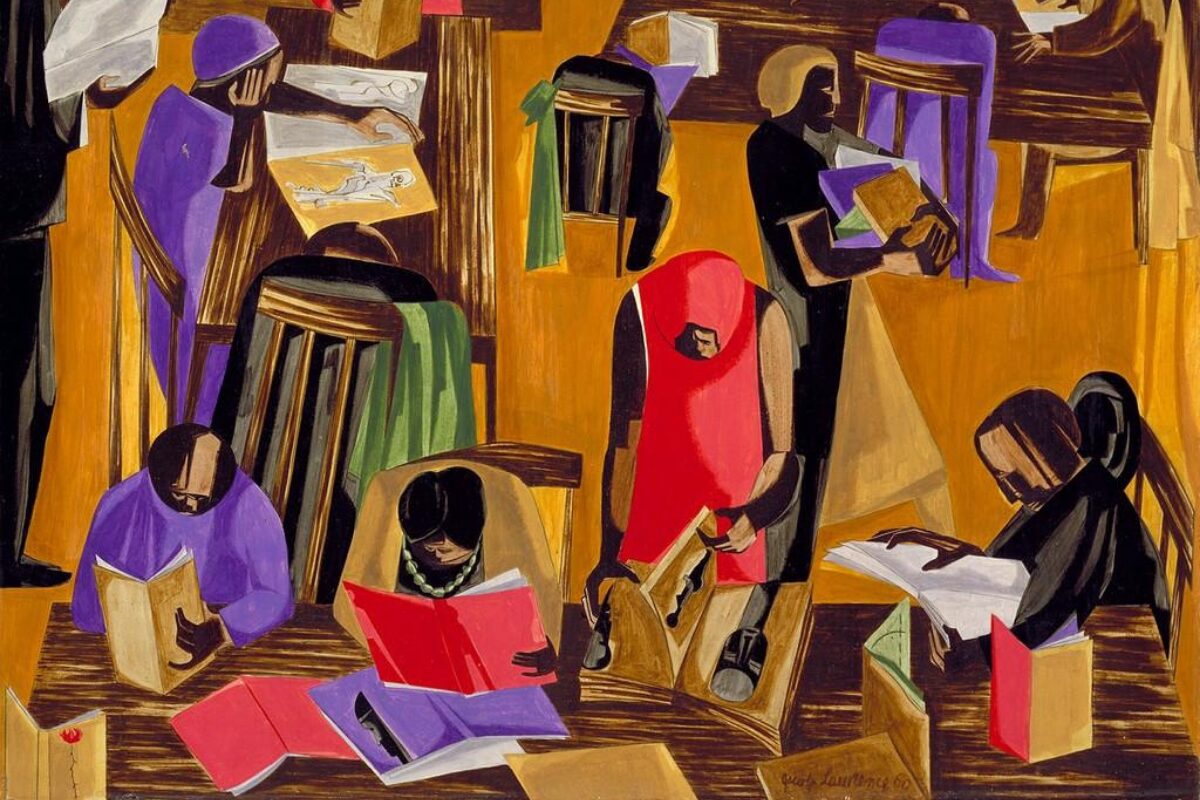
Jacob Lawrence. The Library. 1960. Part of Smithsonian American Art Museum, Artstor.
Juan Gris. Detail: Breakfast (Le Petit Déjeuner). October 1915. Part of Réunion des Musées Nationaux (RMN), Artstor.
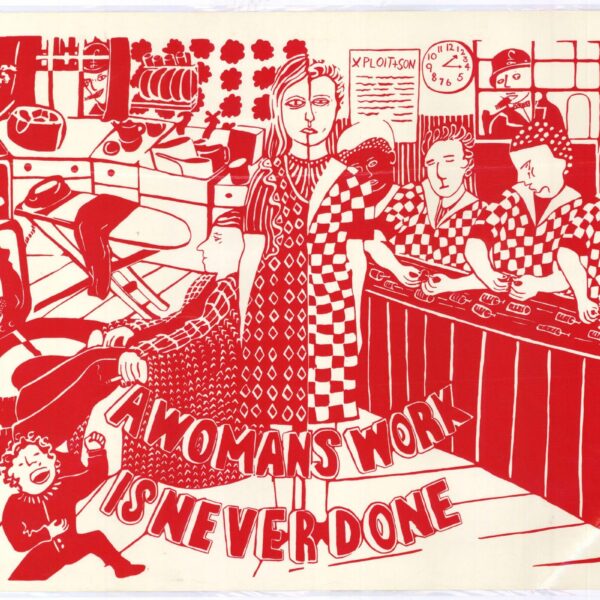
A Woman’s Work Is Never Done. n.d. Part of South African History Archive Posters, Struggles for Freedom: Southern Africa.
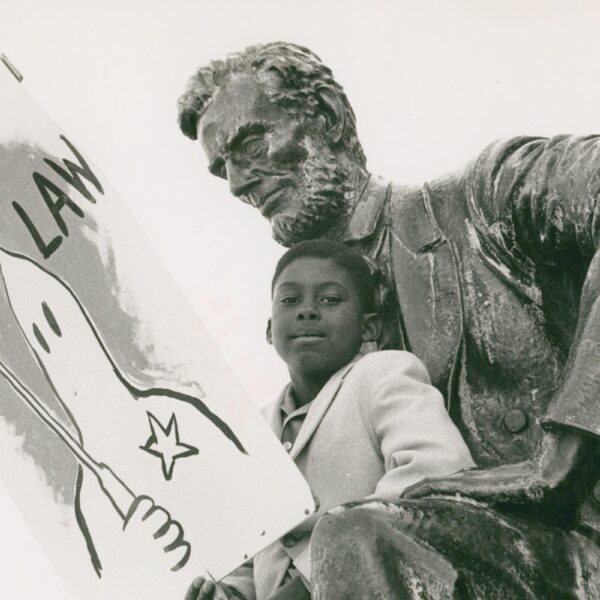
Phiz Mezey. Child Holding Picket Sign While Sitting on the Lap of Lincoln Monument Outside City Hall. January 1, 1963. Part of Phiz Mezey Photographs and Papers (San Francisco History Center, San Francisco Public Library), Behind the Scenes of the Civil Rights Movements, Reveal Digital.
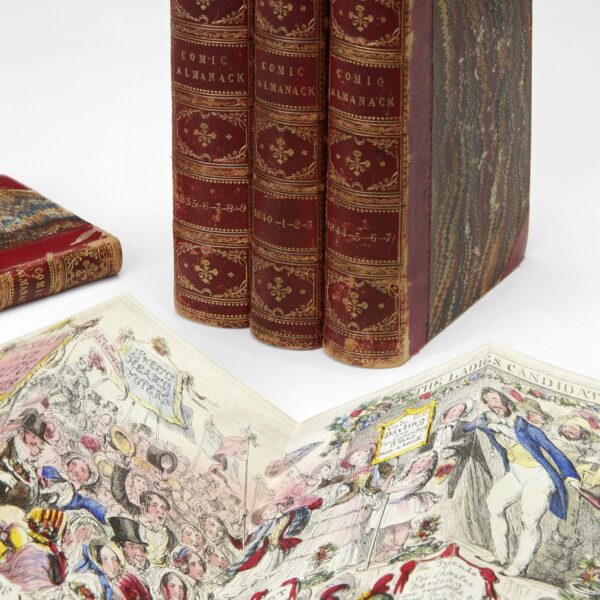
George Cruikshank. Comic Almanack : An Ephemeris in Jest and Earnest, Containing “All Things Fitting for Such a Work.” 1835-1853. Part of George Cruikshank (from the Norman M. Fox Collection of Illustrated Books), Skidmore College.

William Bailey. Mercatale Still Life. 1981. Part of The Museum of Modern Art: Painting and Sculpture, Artstor.
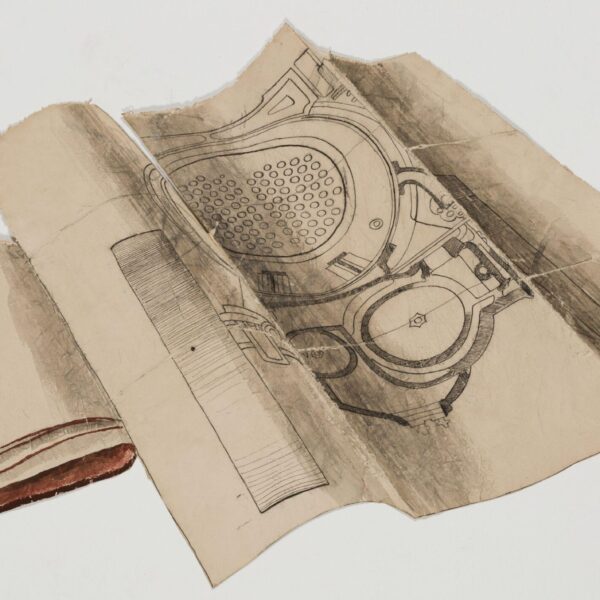
Ion Bitzan. Carte Cu Desen Tehnic. 1993. Part of Open: Ion Bitzan, Artstor.

John Gibson. Bust of a Gentleman. ca. 1830–40. Part of Open: The Metropolitan Museum of Art, Artstor.
Unknown maker. Bain’s Chemical Telegraph, 1850. 1850. Part of Open: Science Museum Group, Artstor.
William Stanley Haseltine. Baths of Trajan (Sette Sale, Villa Brancaccio, Rome). ca. 1882. Part of Open: The Metropolitan Museum of Art, Artstor.
F., A. B. Durand, Gulian C. Verplanck, J. E. Freeman, and John Gibson. “Sketchings.” Thomas J. Watson Library, The Metropolitan Museum of Art. The Crayon 5, no. 1 (1858): 23–27.
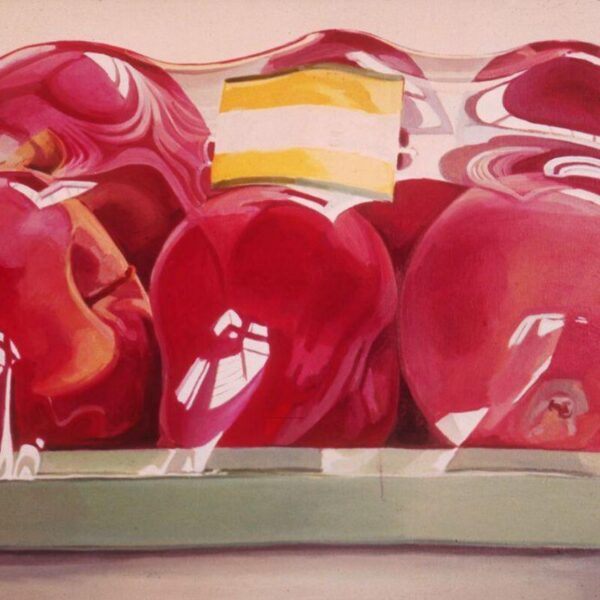
Janet Fish. Apples. 1970. Part of Visual Arts Legacy Collection, Artstor.
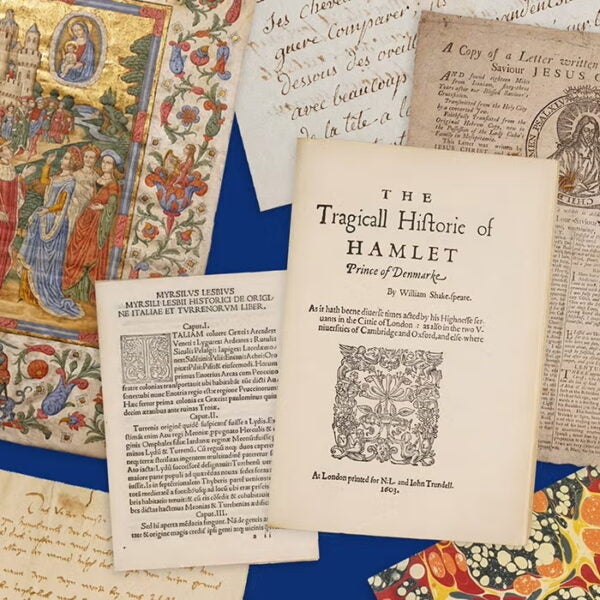
A selection of pages from the the Johns Hopkins University Stern Center for the History of the Book Bibliotheca Fictiva collection available on JSTOR.

Thermal Vision Research. Raynaud’s Phenomenon. n.d. Part of Open: Wellcome Collection, Artstor.
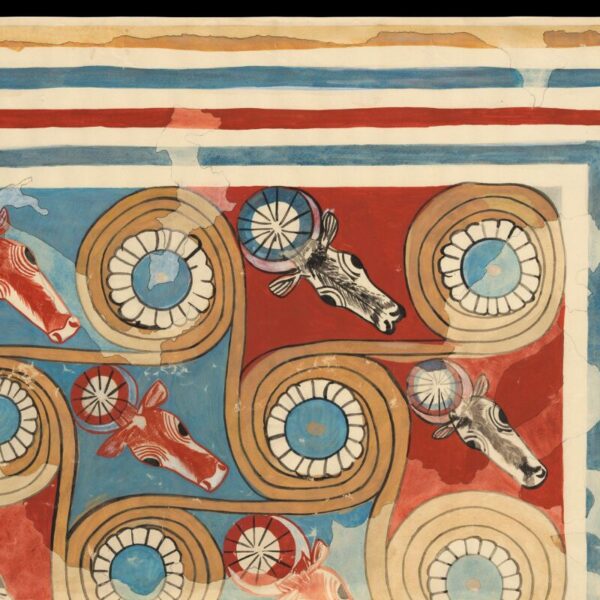
William J. Palmer-Jones. Ceiling Decoration, Palace of Amenhotep III. ca. 1390–1352 B.C. Part of Open: The Metropolitan Museum of Art, Artstor.
Get JSTOR
Start your journey with JSTOR
Connect with our team to explore access options for your institution and discover how JSTOR can support your library’s teaching and research goals.