
A field report on archives and special collections
Bridging Capacity and Care explores how archivists and librarians balance care, ethics, and capacity in an evolving field shaped by digital transformation and shifting resources.
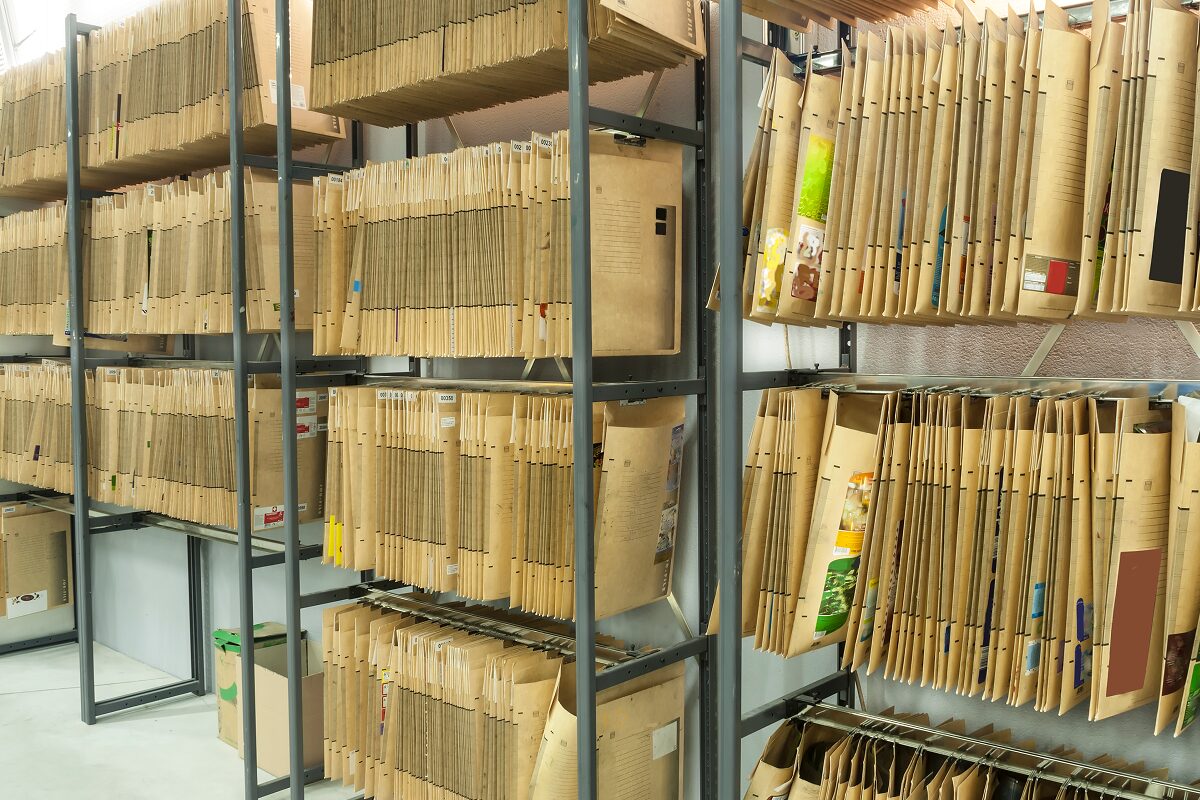
Understanding stewardship in a time of transformation
What does it mean to be a good steward of archives when faced with constrained resources, digital transformation, and increased ethical complexity?
Bridging Capacity and Care: A Field Report on Archives and Special Collections is grounded in the lived experiences of archivists and librarians faced with that question everyday.
Drawing on over a year of research—including site visits, interviews, and observational sessions with more than 280 library and archival experts across 24 institutions on two continents—the report captures evolving pressures, aspirations, and resilience, from enduring backlogs, to the promise of post-custodial models.

Special collections and archives have a rare capacity to bridge the past and present. They are not merely custodians of the past; they are active participants in shaping the future of scholarship.
Shared realities and long-term responsibilities
Archivist and special collections professionals across institutions share common challenges and a deep commitment to care. Key takeaways from the report include:
- Stewardship today is a balancing act: Navigating ethical responsibilities, institutional pressures, and limited resources, often all at once.
- Backlogs are more than a processing issue: They shape scholarship by determining what can be discovered, taught, and researched.
- Metadata is the foundation and the bottleneck: Description work is essential to access but constrained by time, staffing, and outdated systems.
- Labor is both visible and invisible: The intellectual, emotional, and technical work of stewardship is often undervalued or unrecognized.
- Community-centered work is reshaping the field: From reparative description to post-custodial models that redefine ethical practice.
- The archival community is redefining success: Moving from traditional metrics to values like collaboration, equity, and long-term impact.
Turning insights into solutions
Bridging Capacity and Care directly informed the creation of JSTOR Digital Stewardship Services, an initiative designed to address the real systemic challenges surfaced by practitioners across the field.
From metadata bottlenecks and digital fragmentation to the need for scalable, community-driven tools, the service was shaped in partnership with archivists and librarians, and grounded in care, collaboration, and sustainability.


A community shaping the future
Join the growing network of archivists, librarians, and researchers who are redefining digital stewardship with JSTOR. Together, we’re building the tools, insights, and shared practices that make collections more discoverable, accessible, and enduring for everyone who relies on them.
The latest from JSTOR Digital Stewardship

What’s new in JSTOR Stewardship: July 2026
This month’s JSTOR Stewardship update welcomes new participating institutions, highlights newly available collections on JSTOR, and shares recent work from the digital stewardship community. Featured stories include AI-assisted collections processing, expanded access to distinctive materials, and community-led efforts to make digital collections more discoverable.

JSTOR Digital Stewardship Services secures funding to help institutions expand public access to distinctive collections
With support from the Mellon Foundation, JSTOR Stewardship is launching a new initiative to help participants digitize collections and expand public access.

Catalyzing a more public future for distinctive collections: A new initiative within JSTOR Stewardship
New support from the Mellon Foundation will help expand JSTOR Stewardship, giving more libraries and archives the tools to digitize, process, preserve, and share distinctive collections through JSTOR so original sources can reach broader audiences.
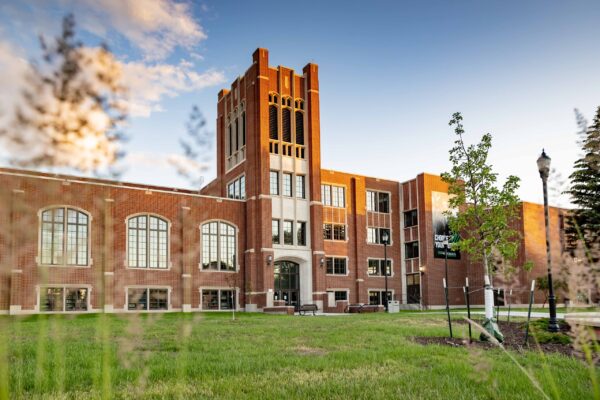
The University of North Dakota joins JSTOR Digital Stewardship Services to advance access to collections
The University of North Dakota joins JSTOR Stewardship, expanding discovery and access to its distinctive digital collections through JSTOR.

Eastern Michigan University expands partnership with JSTOR Digital Stewardship Services by joining Tier 3 charter program
Eastern Michigan University joins JSTOR Stewardship’s Tier 3 charter program, building on its role as an early JSTOR Seeklight beta partner to advance responsible, AI-assisted stewardship.

JSTOR Digital Stewardship Services charter program surpasses 50 participating institutions
More than 50 institutions now participate in JSTOR Stewardship’s charter program, collaborating to advance responsible, AI-assisted digital collections stewardship.
Brandeis University becomes 50th institution to join JSTOR Digital Stewardship Services charter program
Brandeis University joins JSTOR Stewardship’s Tier 3 charter program as the community’s 50th institution, helping shape responsible, AI-assisted stewardship through JSTOR Seeklight and peer collaboration.

What’s new in JSTOR Stewardship: June 2026
The JSTOR Digital Stewardship Services community continues to grow, welcoming new institutions, highlighting innovative uses of AI-assisted collections processing, and showcasing unique open access collections now available on JSTOR.
Ferris State University joins JSTOR Digital Stewardship Services to manage, preserve, and share digital collections
Ferris State University joins JSTOR Stewardship as a Tier 2 participant, migrating from Islandora to support digital collections management, preservation, and expanded discovery on JSTOR.
Interested in connecting the report’s insights to your work?
Our team can help you apply insights from Bridging Capacity and Care to strengthen discovery, preservation, and access through JSTOR Digital Stewardship Services.
Connect with our team
Looking to solve common collections management challenges?
Connect with our team to learn more about JSTOR Digital Stewardship Services.