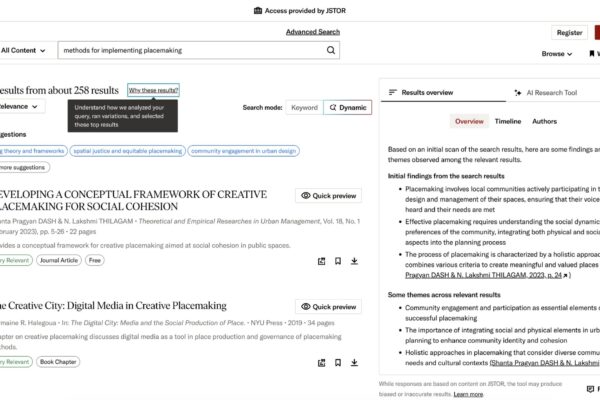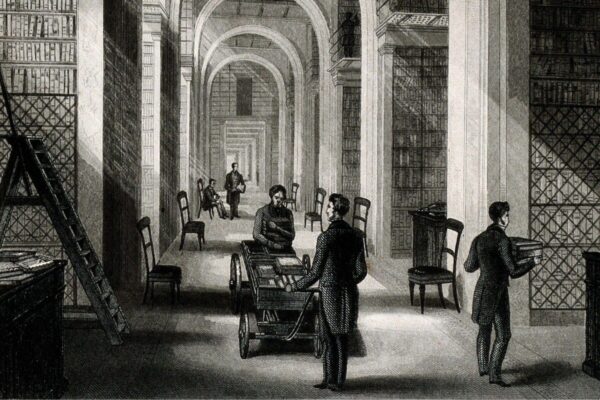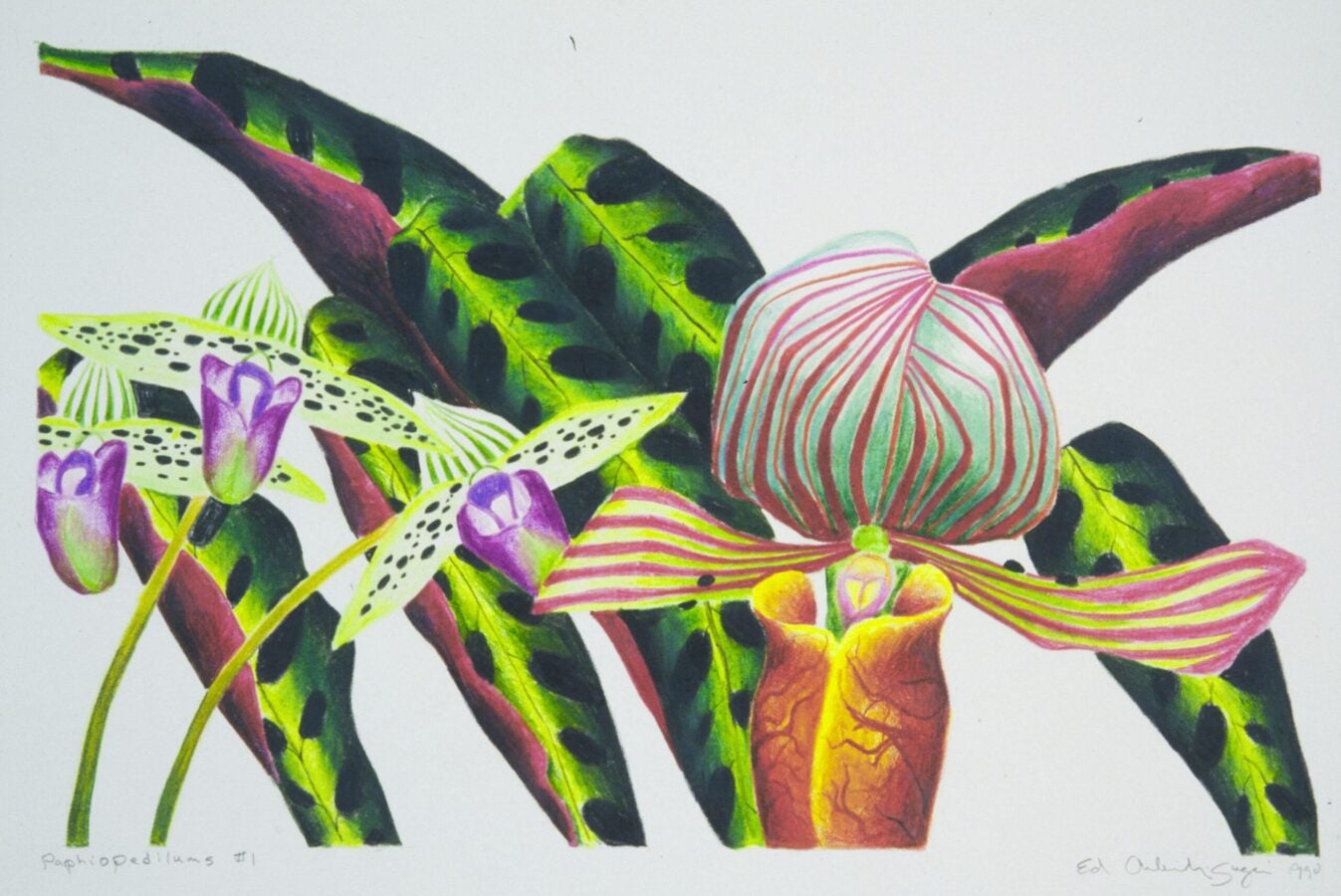
The JSTOR Digital Stewardship Services community is expanding—uniting libraries, archives, and cultural heritage organizations working together to strengthen responsible, mission-aligned digital collections practices. Through AI‑assisted collections processing, integrated digital asset management, long‑term preservation, and sharing their unique materials on JSTOR, Stewardship participants are advancing discovery and broadening access in ways that reflect their values and aspirations.
This month’s Stewardship update features new members of our community, notable collections made available by our participants, and updates from the broader community. If you’re looking to scale your digital collections program—or simply curious to see what peers are doing—we hope these stories provide inspiration.
New to the Stewardship community
We’re excited to welcome new institutions to JSTOR Digital Stewardship Services—each contributing distinctive collections, innovative projects, and unique insights to our growing community. Explore the full participant list.
Stony Brook University – Stony Brook, NY
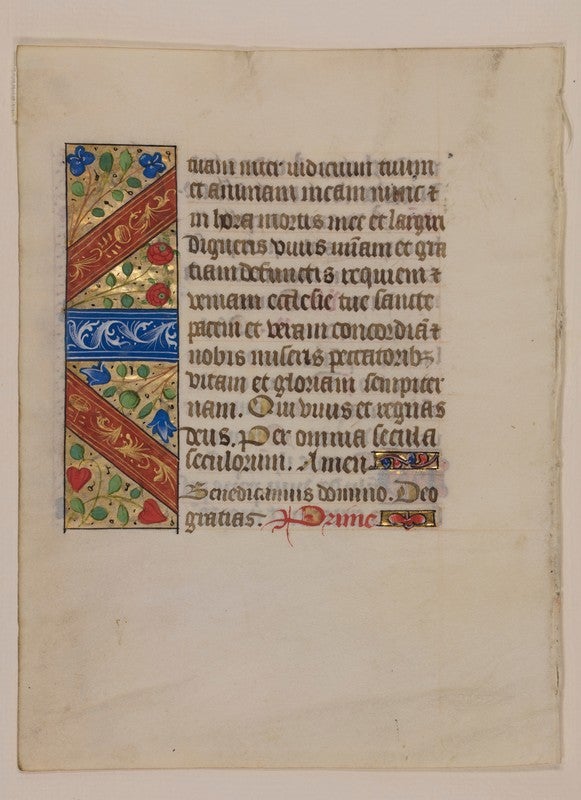
Stony Brook, a flagship of the State University of New York (SUNY) system, is the tenth Association of Research Libraries (ARL) institution to join the Tier 3 charter cohort. They’ll use JSTOR Seeklight to accelerate description and transcription at scale as part of an AI-first library strategy that keeps experts firmly in charge.
Read the full Stony Brook announcement
Mount Holyoke College – South Hadley, MA
Mount Holyoke is moving its digital collections from a locally managed Islandora instance to JSTOR Stewardship to scale care of nearly two centuries of materials documenting women’s education, campus life, faculty and alumnae, and the history of South Hadley and the region.
Read the full Mount Holyoke announcement
Wayne State University – Detroit, MI
Wayne State, Michigan’s only public urban research university, is moving its art and art history collections from LUNA to JSTOR Stewardship to give students and faculty a more intuitive experience, and lay the foundation for a longer-term strategy for digital collections management, access, and preservation.
Read the full Wayne State announcement
Collection spotlight
As stewards of unique materials, our participants make a diverse array of collections available on the JSTOR platform, discoverable alongside scholarly materials by researchers on-campus and worldwide.
Browse thousands of open access collections on JSTOR.
JSTOR Seeklight-generated, human-reviewed description: The Richard L. Walker Papers (Drew University)
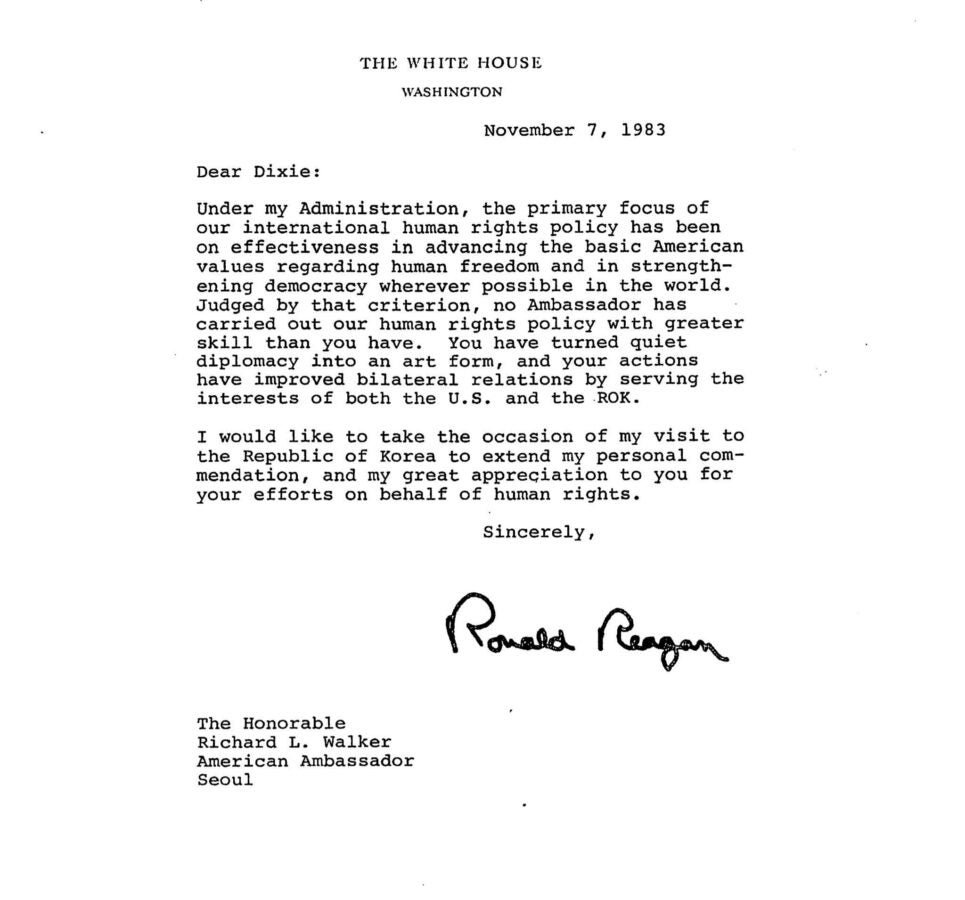
Richard L. “Dixie” Walker (1922–2003), Drew University graduate and longtime authority on East Asian politics, served as U.S. Ambassador to South Korea from 1981 to 1986, appointed by Ronald Reagan. Spanning correspondence, manuscripts, government documents, photographs, and more, this collection traces Walker’s scholarly career, ambassadorial years, and decades of writing on Korea, China, Japan, and U.S. relations in East Asia. Each item features AI-assisted, human-reviewed metadata with transparency notes, so readers understand how the descriptions were created.
View the Richard L. Walker Collection on JSTOR
Reveal Digital: Ed Aulerich-Sugai Collection and Archive
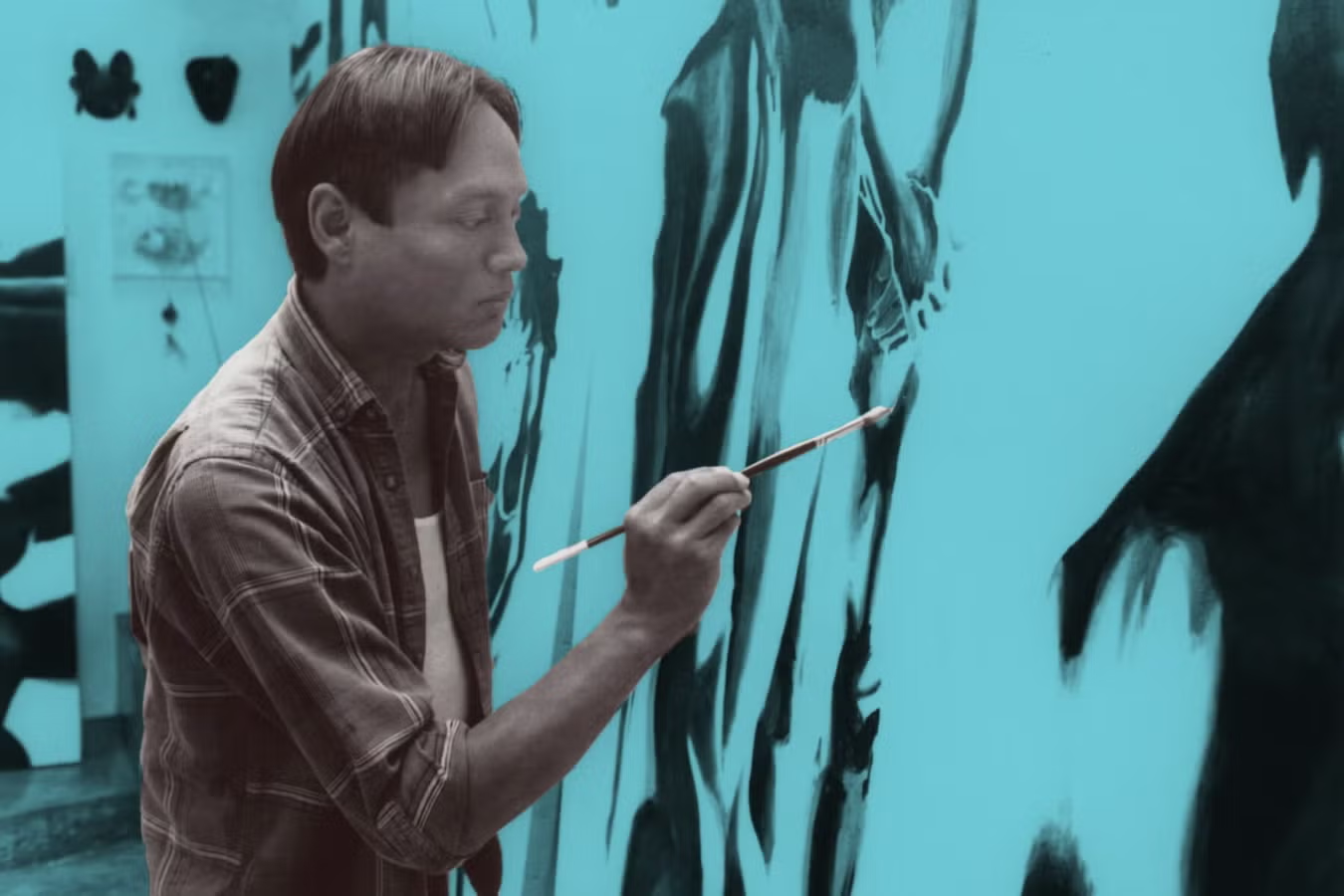
Encounter the work of artist Ed Aulerich-Sugai through the collection now openly available on JSTOR via Reveal Digital. Paintings, drawings, journals, and sketchbooks—created largely in the years between his 1987 HIV diagnosis and his death in 1994—trace a body of work shaped by illness, Japanese iconography, and intimate observation, and held for three decades by his partner Daniel Ostrow as part of an ongoing life of care.
Browse the Ed Aulerich-Sugai Collection and Archive on JSTOR
Read the JSTOR Daily feature: “Preserving the Art of Ed Aulerich-Sugai”
Eastern Michigan University: Ladies Literary Club

Step into a century of women’s friendships through Eastern Michigan University’s collection of memorials from Ypsilanti’s Ladies Literary Club on JSTOR. Roughly 150 typewritten tributes—written by club members for departed friends from 1915 onward—offer an intimate view of American womanhood, capturing changing educational opportunities, civic ambitions, gendered expectations, and bonds that crossed generations.
Browse the Ladies Literary Club collection on JSTOR
Read the JSTOR Daily feature: “The Intimate Memorials of a Ladies Literary Club”
Contributions and conversations
Through presentations, written pieces, conference panels, and more, the Stewardship community is committed to sharing back what they do and learn. Visit our events page to catch up on past recorded events, register for new ones, and find opportunities to meet up at an upcoming conference.
Funding Stewardship, Not Just Scanning: How Hofstra University Secured a Grant to Build Long-Term Access with JSTOR
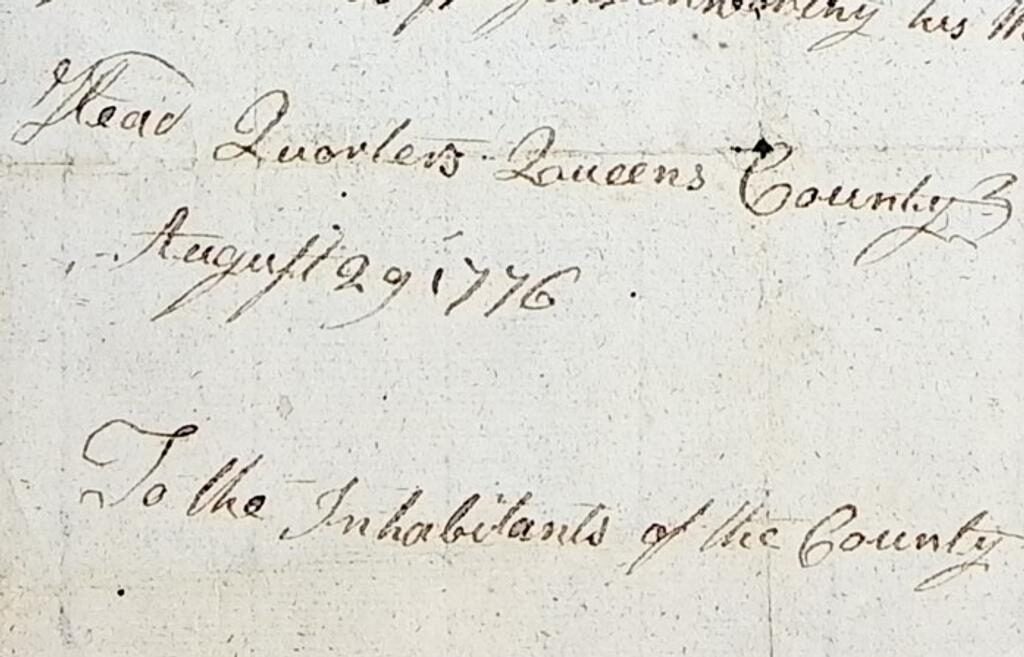
Many digitization grants end the same way: files without metadata, platforms that aren’t maintained, and collections that briefly become visible before slipping back into obscurity. In a new case study, Hofstra’s Lorrie McAllister shares how a $459,000 federal grant became an infrastructure inflection point instead—embedding JSTOR Digital Stewardship Services and JSTOR Seeklight into the proposal from the start, and collaborative, cross-functional workflows to sustain the work beyond the grant period.
How collaboration with Eastern Michigan and the archival community shaped AI for archival workflows
Description—not digitization—is where archival workflows slow down, and where backlogs grow. In a new post on the JSTOR Blog, Senior User Researcher Jennifer Saville traces how conversations with archivists at more than 60 institutions, and a close beta partnership with Eastern Michigan University, shaped what is now JSTOR Seeklight. The piece makes the case that useful AI for archives comes from iterating with the people doing the work, with human judgment at the center.
Chronicle Virtual Forum: The Library of the Future
AI, digital access, and shifting user expectations are reshaping what academic libraries do—and what they’re for. In a recent Chronicle of Higher Education webinar on “The Library of the Future,” Roger Schonfeld, Managing Director of JSTOR Digital Stewardship Services, joined sector leaders to discuss how libraries can adopt new tools while staying grounded in core values of stewardship, access, and trust. The conversation framed libraries not just as repositories, but as active partners in discovery, teaching, and knowledge creation in an AI-driven era.
Want to learn more about becoming a part of JSTOR Digital Stewardship Services? Get in touch with our team!