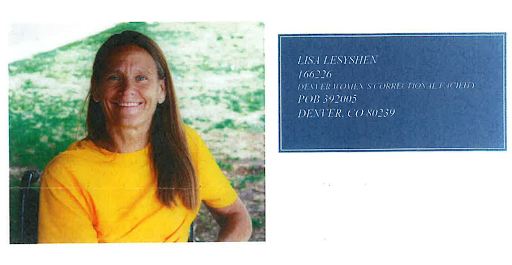
There is a break in my timeline, a sharp facture between before and after. Before prison and after I started my life in a wheelchair. The exhausting dynamics that occurs daily in prison forces people to look for something to elevate themselves and procure meaning in our “new” lives. Jobs and programs are items that the prison offer to assist in our rehabilitation and to provide structure in our boring and unsatisfying prison life.
As a person confined to a wheelchair, people automatically assume that I am dumb or retarded or slow. In prison, this misinformation leads staff to think that I am unable to work. I was a reference librarian in my former life and still Colorado Department of Corrections refused to give me a job in the library because I could not reach the top bookshelves. My case manager tried to get me medically unassigned meaning there were no jobs available for a person like me. Did he mean a person with a college degree or just a person in a wheelchair?
I realized that I needed to start a conversation, a conversation that did not revolve around me but still included me. One that replaced the false narrative about prison and wheelchairs with an open conversation about the criminal justice system and our place in it. So, I created my own space, my own job since no one else would do it for me. I proposed an hour long tv newscast that would air on the CDOC tv station where I would be able to interview staff members and incarcerated people creating a platform that allowed them to express their own truth.
In this complicated space it is hard to start something anew and with each proposal I put forth the no’s cascaded effortlessly from upper management. “How can you run a camera from a wheelchair? Why would anyone talk to an offender? Are you sure you can be objective and not just voice all your grievances? Who is going to help you with the questions you are going to ask? And why would anyone want to watch it?” All these questions revealed how little they knew about me and exposed their own biases and stereotypes not just about disabled people but about incarcerated people in general. Their attitudes and opinions did not bode well for our collective restorative health and our overall success.
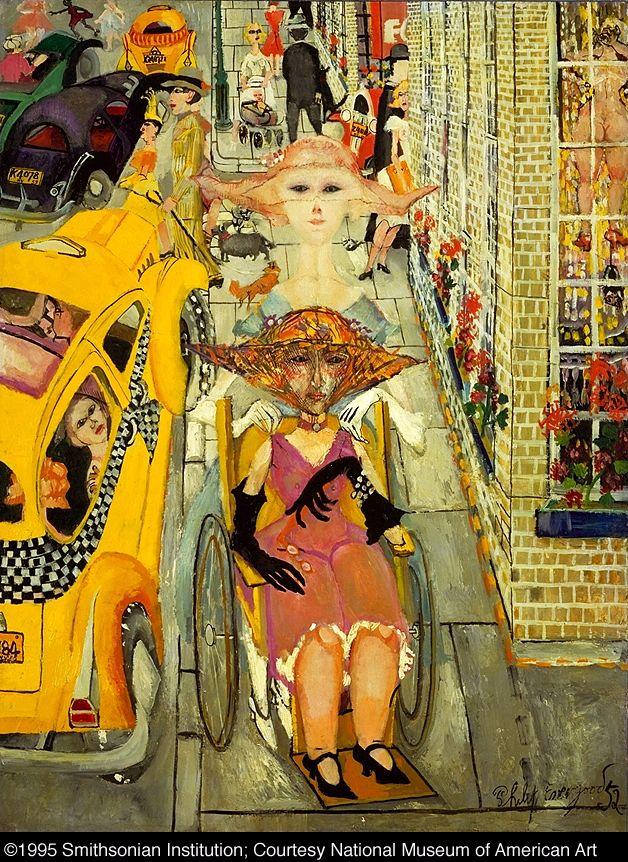
Fortunately for me, I was proposing a new program during a transitional time where the prison climate was starting to change with a more progressive and dynamic attitude seeping slowly into Denver Women’s Correctional Facility. And I was going to slip stealthy behind this movement to guarantee the production of my new tv show, Inmate.com.
It took three slightly different proposals and constant harassment from me until management waved the white flag of surrender and begrudgingly gave me three test runs of the show in hope that it would fail. I must confess at this point I did use some questionable tactics to force management to “provide” me with this opportunity. Each time they refused my proposal, I would exclaim the only reason they said no was because I was in a wheelchair and that they were anti-disabled people. Rarely did I use my ADA classification to gain something, however it was used against me multiple times to deny me jobs, opportunities and even housing, so it felt slightly gratifying to flip the table on DWCF and use my disability to benefit myself.
People in prison always have a story to tell and Inmate.com became the venue for them to voice their truth. Long sentences obliviate hope and cancels our future and I hoped that Inmate.com could offer up an outlet to express their stories and reveal how powerful their voices were.
Inmate.com has aired 16 episodes and I have interviewed the Executive Director Andres Stancil, DWCF Warden Ryan Long, Assistant Warden McCarthy, people involved with reopening cosmo, the new coffee roasters at DWCF, case managers, housing Lieutenants, college teachers, and many incarcerated women and men. We touch on many issues from low state pay to how DWCF handled COVid. We debated transgender female issues, how horrible it is to work in the kitchen, CCI jobs that pay over a thousand dollars a month, clemency and why the patio in the incentive unit is so important to us.
I only get paid $14 a month to run Inmate.com but I have gained a wealth of expertise such as how to run a camera, edit video, interview people intelligently and produce an entertaining and thought provoking tv show. Inmate.com allows me to ask all the questions I want under the guise of being a journalist and it brings me joy and satisfaction in this place that is void of light and dignity.
Finding a gratifying job is difficult anywhere but it is particularly hard in prison. Throw in the added constraints of being in a wheelchair and the list of available opportunities drops to zero. We endure our incarceration with dignity and fortitude but are still required to find a new way of living within the prison walls. People who are disadvantaged and marginalized are forced to create their own paths which sometimes leads to a road that takes us to an unpredictable but fascinating arena that offers up opportunities that surpasses our own expectations.
Editor’s Note: Lisa’s work was chosen because of her undaunted nature, feisty spirit and unapologetic rejection of others’ limitations because of her confinement to a wheelchair. Channeling all that energy to create a new knowledge-sharing platform inside her facility is brilliant.