The JSTOR Digital Stewardship Services community is expanding—uniting libraries, archives, and cultural heritage organizations working together to strengthen responsible, mission-aligned digital collections practices. Through AI-assisted collections processing, integrated digital asset management, long‑term preservation, and sharing their unique materials on JSTOR, Stewardship participants are advancing discovery and broadening access in ways that reflect their values and aspirations.
This month’s Stewardship update features new members of our community, notable collections made available by our participants, and updates from the broader community. If you’re looking to scale your digital collections program—or simply curious to see what peers are doing—we hope these stories provide inspiration.
New to the Stewardship community
We’re excited to welcome new institutions to JSTOR Digital Stewardship Services—each contributing distinctive collections, innovative projects, and unique insights to our growing community. Explore the full participant list.
Brandeis University – Waltham, MA
Brandeis University joins JSTOR Stewardship’s Tier 3 charter program as the 50th institution in the community. As a charter participant, Brandeis will use JSTOR Seeklight to support AI-assisted collections processing, including draft metadata, transcripts, and collection summaries, while contributing to peer working groups shaping responsible stewardship practices.
Read the full Brandeis announcement
Eastern Michigan University (EMU) – Ypsilanti, MI
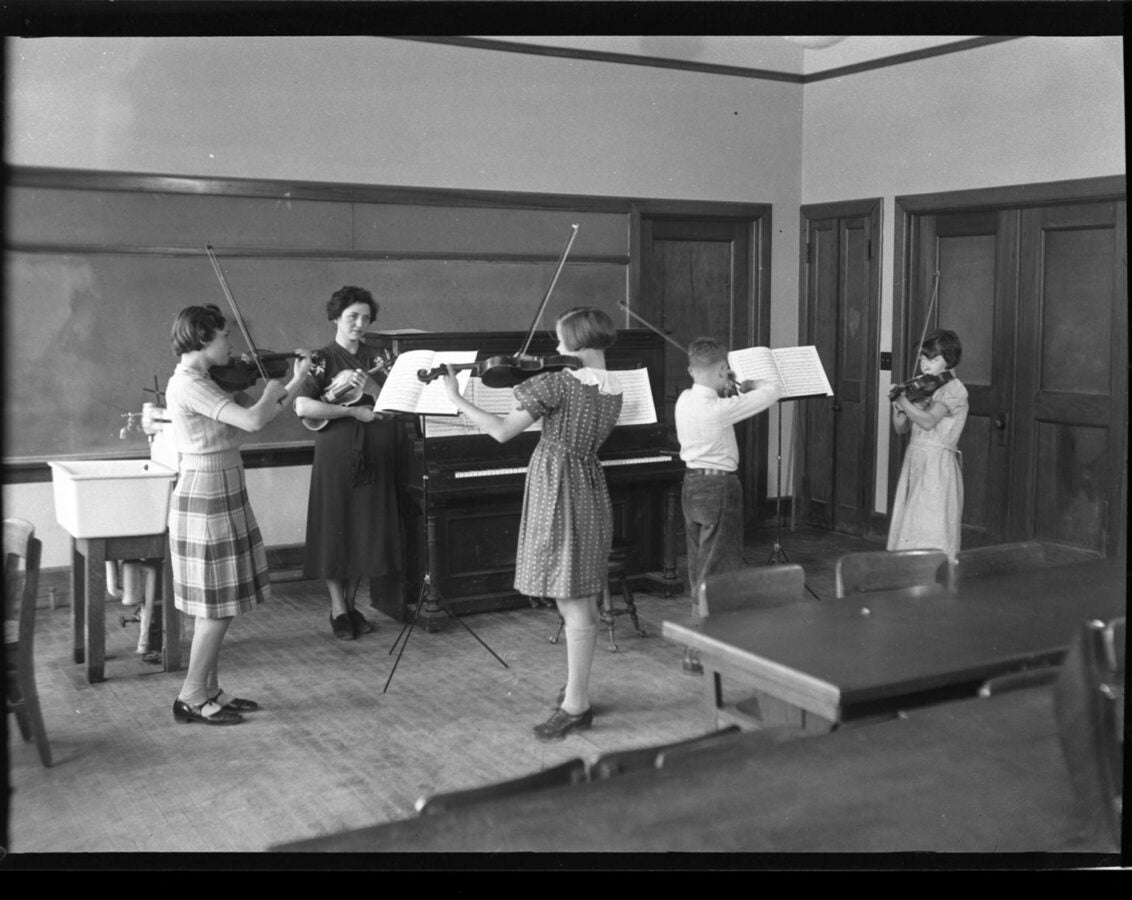
EMU is deepening a years-long relationship with JSTOR by joining the Tier 3 charter program. Having helped develop JSTOR Seeklight as a beta partner in 2024, the team will now use the tool to process a backlog of digitized materials awaiting description, from dissertations to handwritten documents. Library staff will review the draft metadata and transcripts before sharing them on JSTOR, adding to the more than 5,000 items already shared openly.
Read the full EMU announcement
Ferris State University – Big Rapids, MI
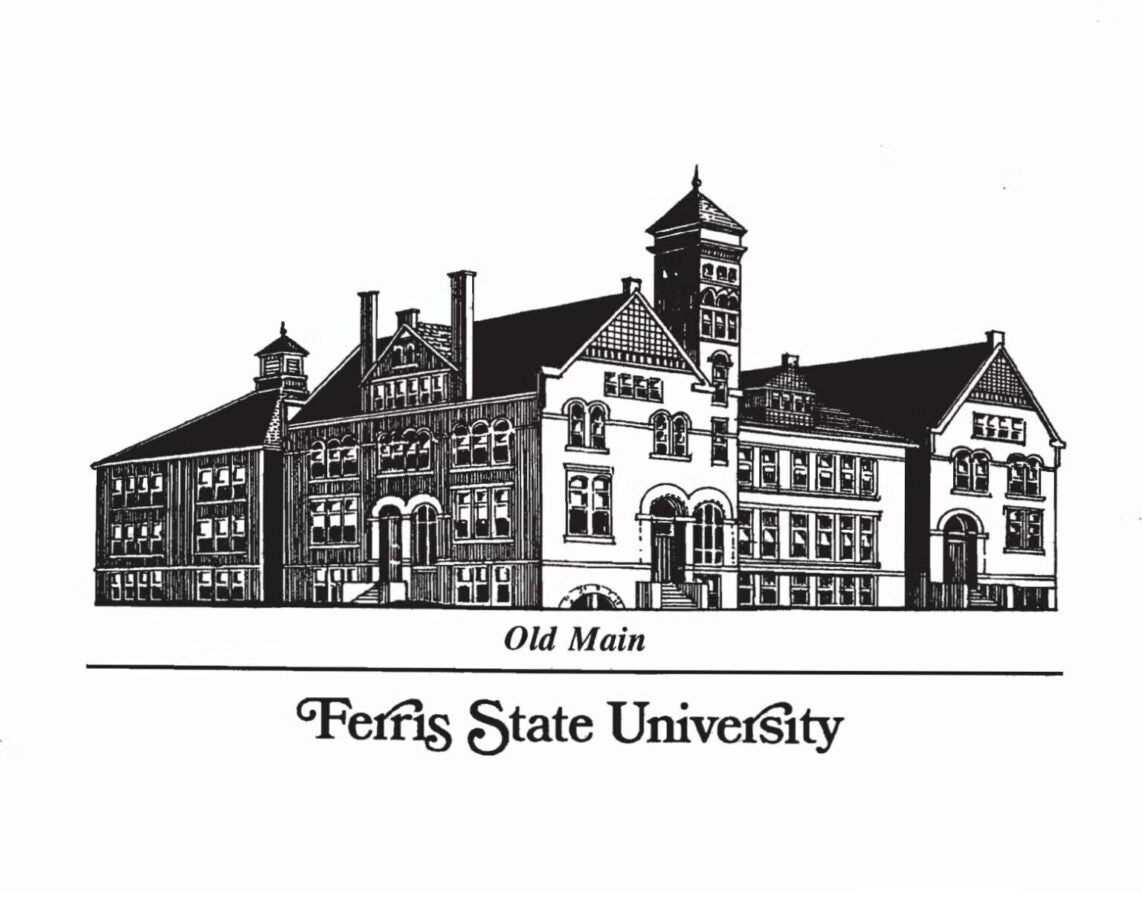
Ferris State University is joining JSTOR Stewardship as a Tier 2 participant, migrating collections from Islandora to JSTOR’s integrated platform. The move will support a wide range of institutional and scholarly materials, including capstone projects, theses and dissertations, campus records, publications, and photographs. Over 2,000 items are already openly available on JSTOR.
Read the full Ferris State announcement
University of North Dakota (UND) – Grand Forks, ND
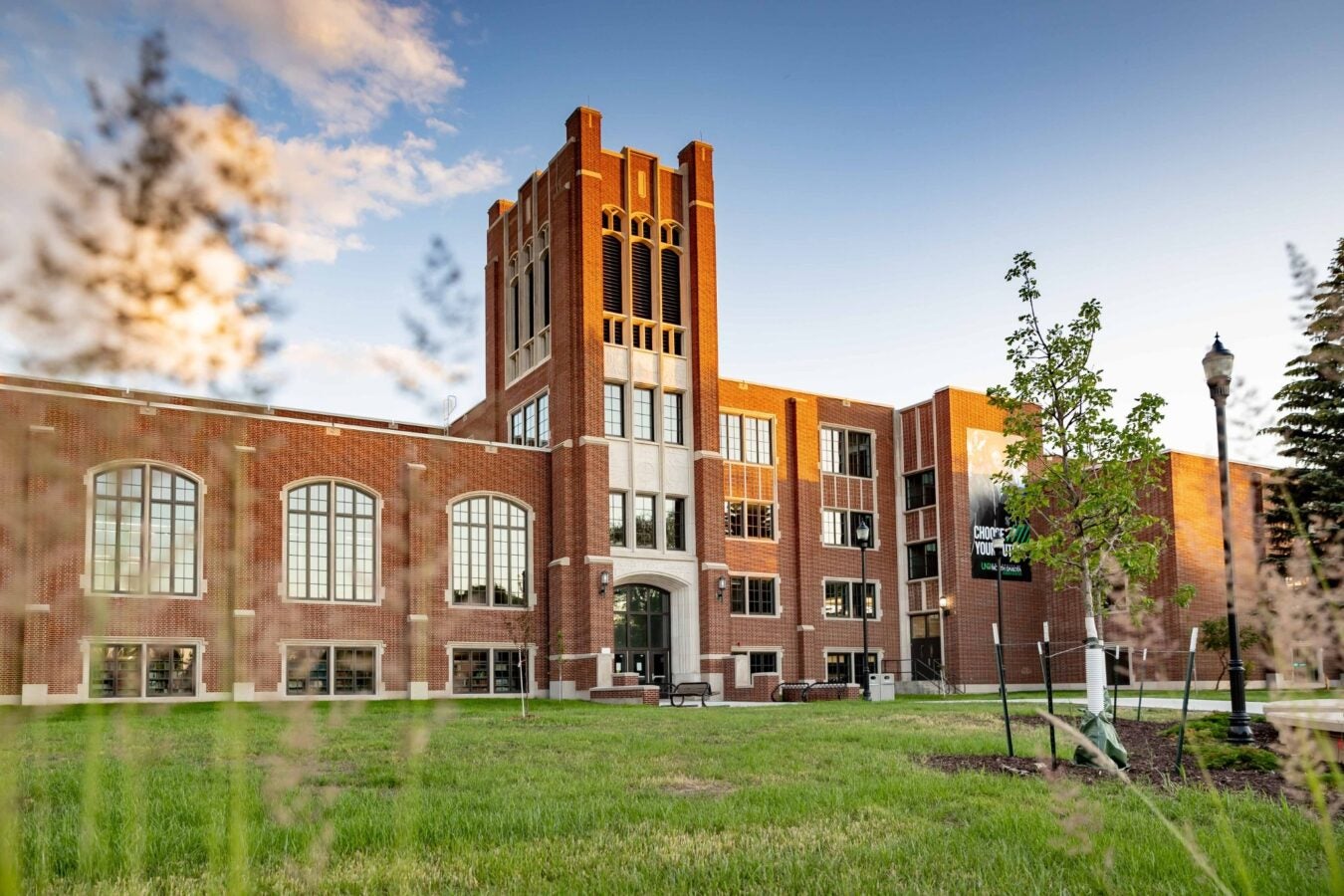
UND is joining JSTOR Stewardship as a Tier 1 participant, sharing its distinctive digital holdings on JSTOR’s research and teaching platform. Materials slated for sharing include political papers, cartoons, art, Nuremberg transcripts, government documents, interviews with former prisoners of war, and the Cable Pottery collection begun by Margaret Kelly Cable in 1910. Automatic transcript generation for spoken-word media will support captioning and discoverability as UND advances both visibility and accessibility across its collections.
Read the full UND announcement
Collection spotlight
As stewards of unique materials, our participants make a diverse array of collections available on the JSTOR platform, discoverable alongside scholarly materials by researchers on-campus, and worldwide.
Browse thousands of open access collections on JSTOR.
Reveal Digital: Rollerena Fairy Godmother Collection
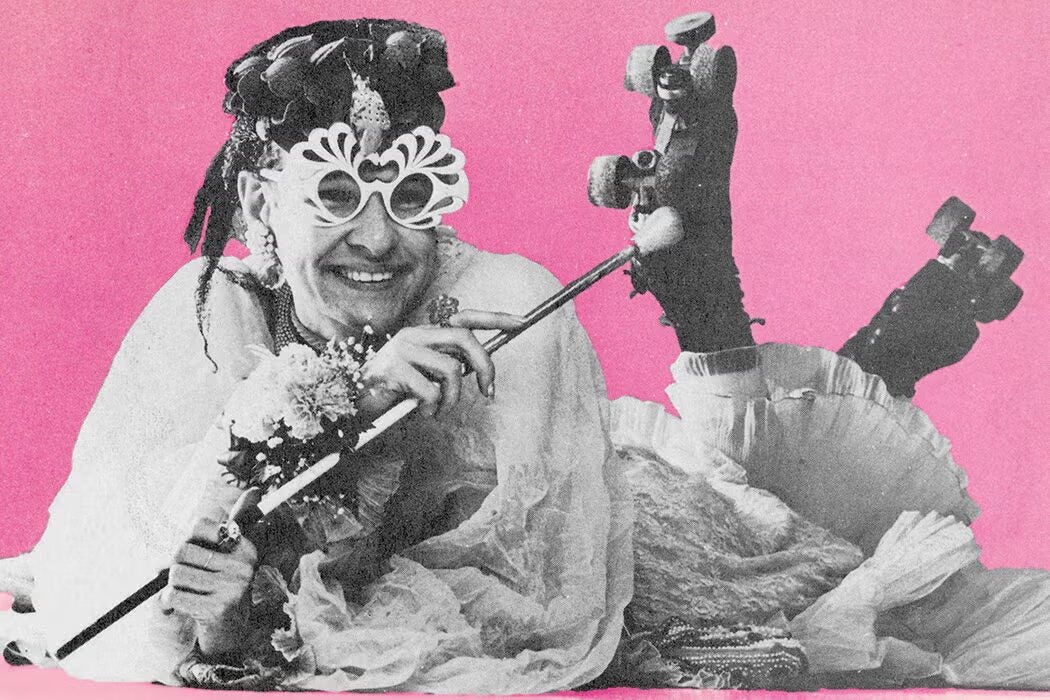
Glide into the life of one of New York City’s most beloved queer icons through the Rollerena Fairy Godmother Collection, newly published on JSTOR by Reveal Digital as part of its HIV, AIDS & the Arts collection. Recognizable by her flowing gown, ornate hats, and wand, Rollerena skated through Pride marches, discos, and city streets before becoming an AIDS activist with ACT-UP. The collection preserves that arc through collaged ephemera, media clippings, and more, showing how a digitized community archive can hold the density of a public life that caricature might otherwise flatten.
Browse the Rollerena Fairy Godmother Collection on JSTOR
Read the JSTOR Daily feature: “Rollerena: New York’s Fairy Godmother”
Queen’s University Belfast: The Jewish Gazette
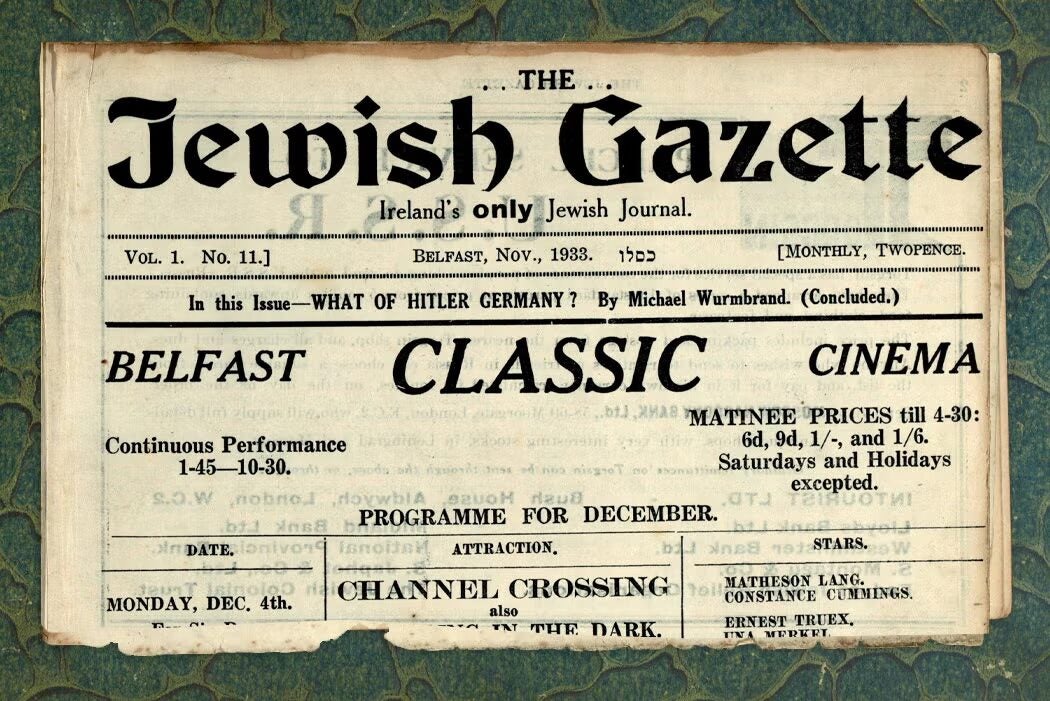
Page through the brief, remarkable run of The Jewish Gazette, shared by Queen’s University Belfast on JSTOR. Published from January 1933 to February 1934 under the tagline “Ireland’s only Jewish journal,” the newspaper’s thirteen issues capture Jewish life in Belfast at a pivotal moment, as the community navigated questions of identity and culture alongside rising antisemitism abroad.
Browse The Jewish Gazette on JSTOR
Read the JSTOR Daily feature: “Rediscovering The Jewish Gazette”
University of Stirling: Leighton Library American Atlas, 1776
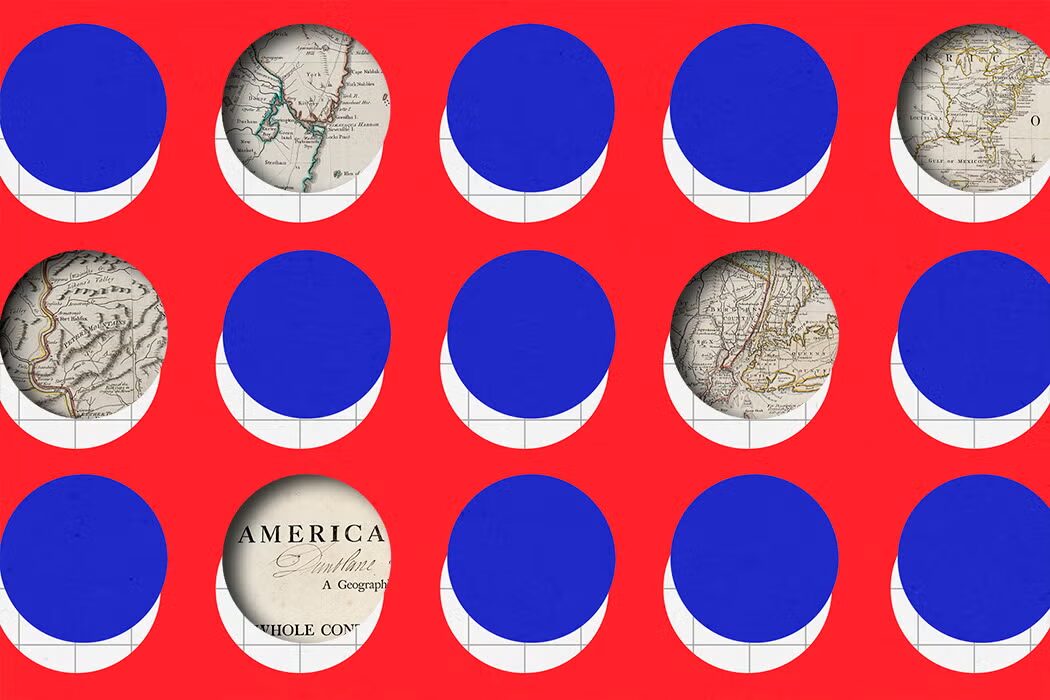
Chart the American Revolution through British eyes via The American Atlas, a 1776 volume shared on JSTOR by the University of Stirling. Designed to capitalize on public interest in the so-called “rebellion,” the twenty-three maps in the atlas—drawn by surveyors, colonists, and future Continental Army officers alike—gave London readers a fuller view of American terrain than Washington himself possessed, revealing how cartography shaped understanding of a war fought an ocean away.
Browse the American Atlas, 1776 on JSTOR
Read the JSTOR Daily feature: “The Atlas Behind the Revolution”
Contributions and conversations
Through presentations, written pieces, conference panels, and more, the Stewardship community is committed to sharing back what they do and learn. Visit our events page to catch up on past recorded events, register for new ones, and find opportunities to meet up at an upcoming conference.
Catalyzing a More Public Future for Distinctive Collections
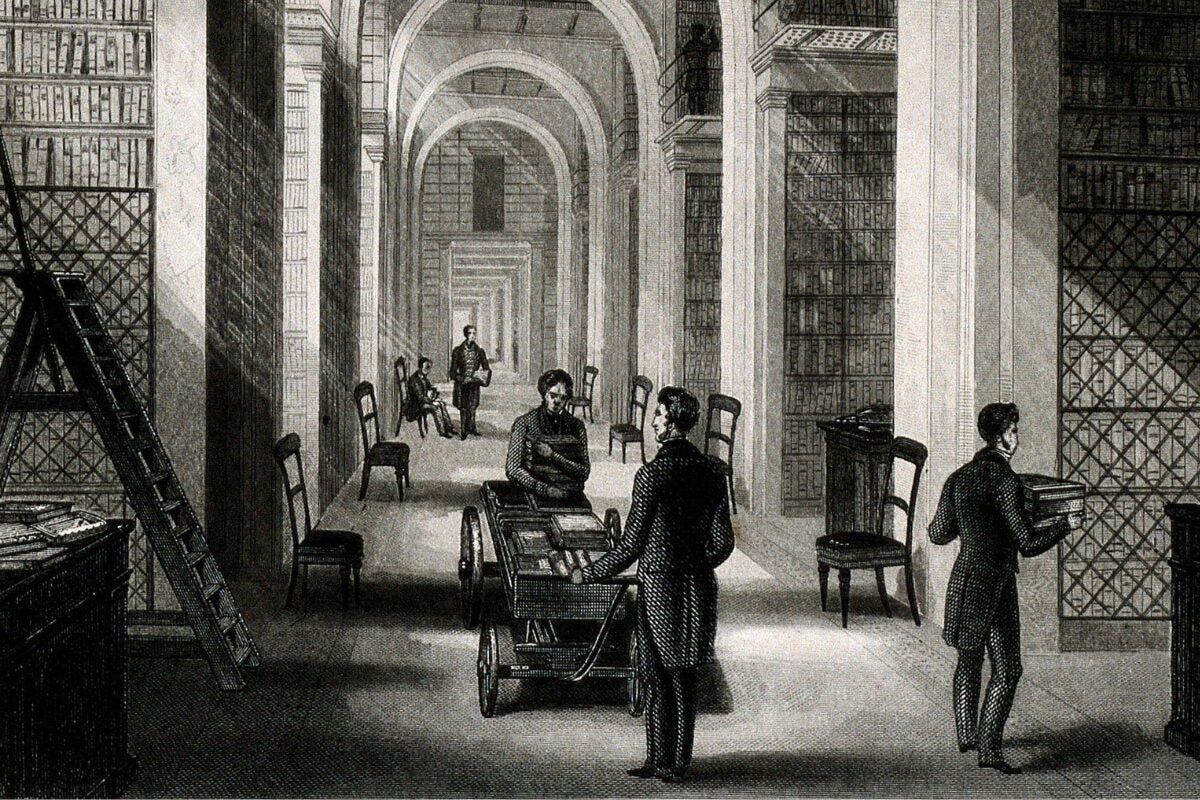
JSTOR Stewardship exists to maximize the discovery and impact of distinctive collections—and new support from the Mellon Foundation will significantly expand what that makes possible. For many institutions, the cost of digitizing at scale has been prohibitive. Now, charter participants in JSTOR Stewardship will be able to receive direct support for digitization, leveraging JSTOR Seeklight to process materials at scale, and JSTOR itself as the front end to drive discovery and impact. In a new post, Roger Schonfeld shares what this initiative will enable.
Digitizing the Collection of a Female Biology Pioneer (Colgate University)
When the private papers of pioneering botanist Alma Gracey Stokey arrived unexpectedly at Colgate, biology professor Eddie Watkins and librarian Joshua Finnell saw an opportunity beyond preservation: making her 10,000+ fern gametophyte drawings available and searchable on JSTOR. A new piece in Colgate Research Magazine explores how the library is pairing AI-assisted metadata creation with expert review to turn decades-old fieldwork into a discoverable resource for scientists and non-specialists alike—and pave the way for wide-ranging interdisciplinary exploration.
Browse the Alma Gracey Stokey Papers on JSTOR
Old Documents, New Technology (University of South Carolina)
University of South Carolina Libraries have over 100,000 digitized but untranscribed handwritten pages—technically online, but neither legible nor discoverable. In a new piece, Digital Collections Librarian Katie Hoskins shares how the library is using JSTOR Seeklight to turn once-hidden letters and diaries into a searchable corpus—with student workers generating the metadata and transcripts, refining the outputs, and shaping the tool’s evolution through their feedback.
Want to learn more about becoming a part of JSTOR Digital Stewardship Services? Get in touch with our team!