
JSTOR Access in Prison
-
The Tennessee Higher Education Initiative (THEI) rejects the idea that incarcerated students should accept “whatever is available.” Instead, their Navigating Forward project is built on the belief that learners inside deserve excellence—resources that are not only functional but dignifying.
-
Page
As a nonprofit, JSTOR is committed to equitable, sustainable access to knowledge. We partner with libraries, publishers, and institutions to make scholarship affordable, preserved, and accessible to all.
-
Explore JSTOR’s full suite of products and services—from mission-driven digital stewardship and an innovative research platform to flexible content solutions—that support scholarship, teaching, and discovery.
-
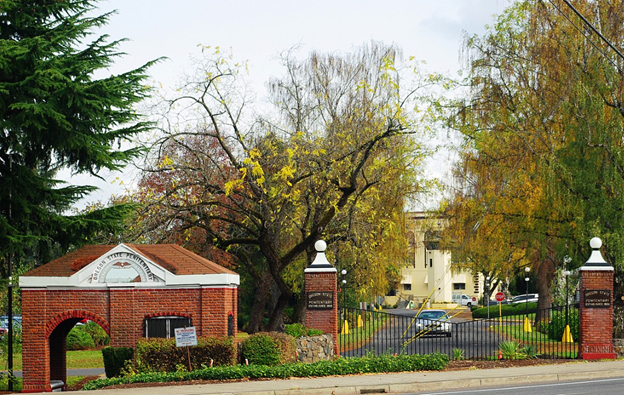
In this deeply personal reflection, Ryan McCarthy of JSTOR Labs shares his experience visiting Oregon State Penitentiary (OSP) alongside Chemeketa Community College’s prison education team.
-
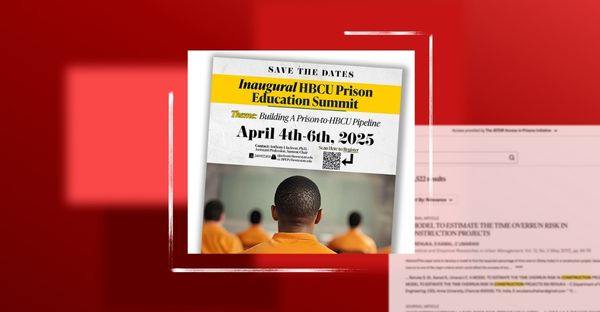
Explore highlights from the first HBCU Prison Education Summit, where educators, advocates, and tech leaders gathered to advance higher education in prisons. Learn how HBCUs, digital tools like JSTOR, and secure technology are transforming access and equity for incarcerated learners.
-
It is with deep respect and sorrow that we acknowledge Helen Farley’s passing. Helen will be remembered here as a visionary advocate for equitable access to education and a cherished partner in the JSTOR Access in Prison initiative.
-
At the beginning of 2025, we launched The Catalyst, a JSTOR Access in Prison newsletter that showcases people and projects working on prison education initiatives. We are now launching a new blog series, Inside & Connected, to build even more community connections in these liminal spaces.
-
JSTOR, part of the nonprofit ITHAKA, has been named a finalist for two 2025 EPIC Awards, presented by the Society for Scholarly Publishing (SSP). The […]
-
In this closing post of JSTOR’s Second Chance Month series, Elizabeth Shatswell reflects on the transformative power of education, community, and creative expression in the lives of incarcerated individuals.
-
This moving reflection traces the enduring bonds formed in prison classrooms and the profound impact of educational journeys shared by incarcerated women. Through the story of Phiengchai Sisouvanh, we see how learning, friendship, and community transcend confinement and continue to transform lives long after graduation.
-
In this powerful series of personal essays, incarcerated authors reflect on how education has become a catalyst for self-discovery, healing, and community restoration. Their stories underscore the transformative potential of learning, even behind prison walls, as a lifelong commitment to growth and redemption.
-
In this compelling essay, Ignacio Carrillo challenges traditional definitions of rehabilitation and advocates for animal-assisted programs in prisons. The author explores the role of animals in fostering humanity, dignity, and systemic change within carceral spaces.
-
Poet Matthew Feeney crafts language that cuts through the noise of modern life, offering distilled expressions of humanity shaped by incarceration, identity, and introspection. His evocative work—layered with metaphor, symbolism, and emotional precision—reminds us to write as if our lives depend on it
-
In this reflection on education and transformation, Elizabeth Shatswell introduces two powerful Second Chance Month essays by incarcerated scholars Juan Portieles and Brian Newman. Their stories, shared through JSTOR Access in Prison, explore education as a path to optimism, purpose, and freedom—with lasting ripple effects across their communities.
-
When Alazaron “Laz” Sargeant discovered the poetry of Mahmoud Darwish through a library brought into his prison unit, it sparked a deeper search for meaning—and a powerful wave of creative expression.
-
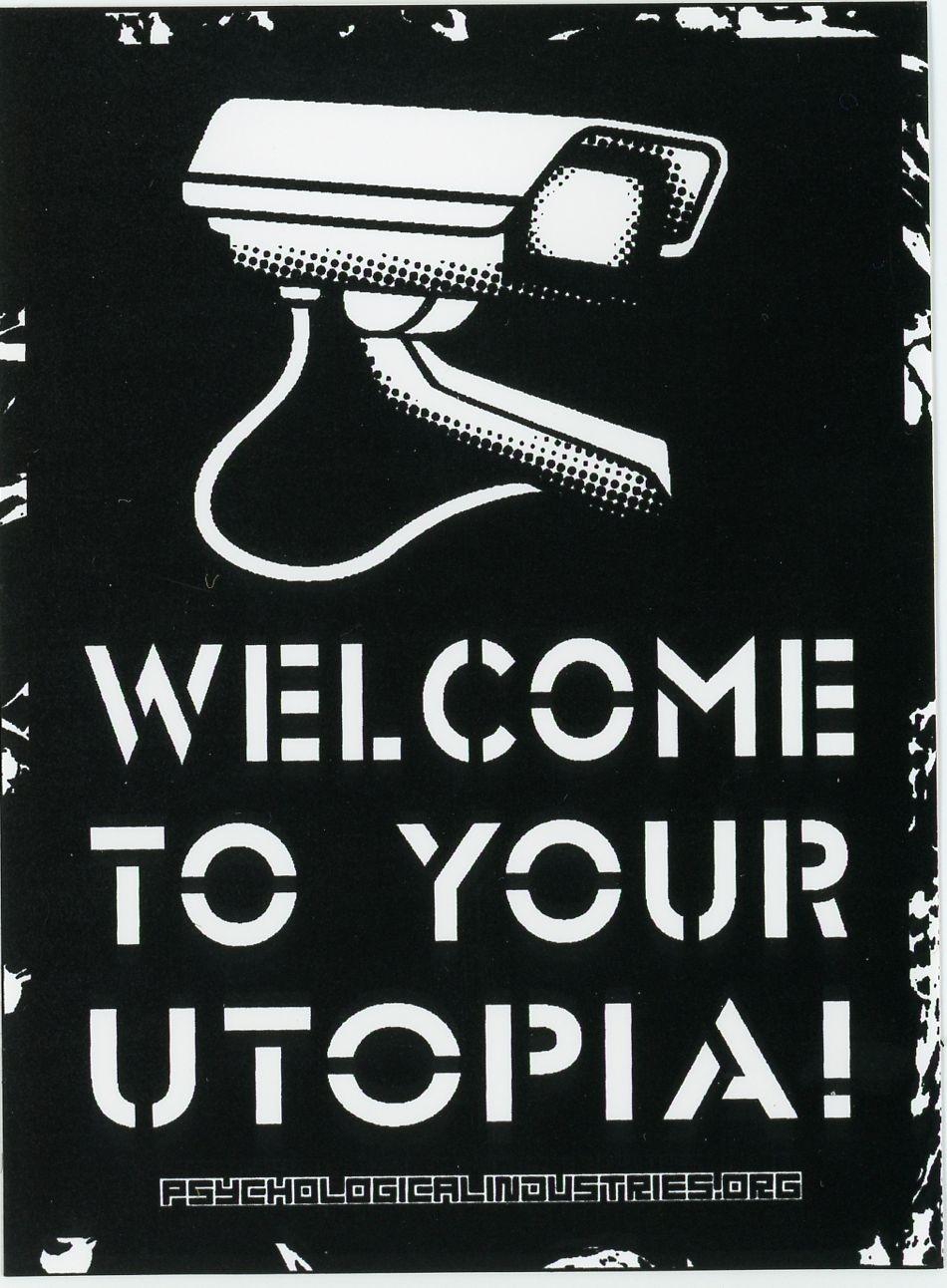
Vy Thang’s reflection on education challenges idealized notions of utopia shaped by historical trauma and incarceration. His story illustrates how liberal arts learning becomes a powerful act of self-discovery, resistance, and community building.
-
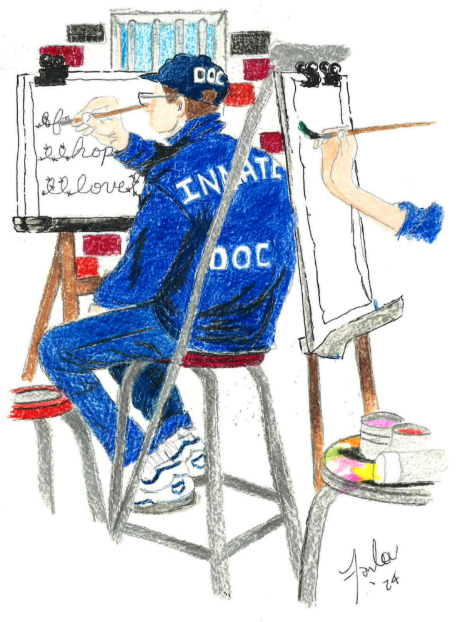
This is JSTOR’s third year of publishing essays, poetry, and artwork from people impacted by incarceration. These stories, as diverse as America itself, remind us of the dreams, aspirations, and connectedness we all share.
-
In just over a year, the JSTOR Access in Prison program has doubled its reach in US state and federal prison facilities. In late 2023, […]
-
Innovative program that gives incarcerated students access to scholarly research recognized for its transformative impact The JSTOR Access in Prison Initiative, which enables students inside […]
-
The “Second Chance Mentality: First Chance Reality” series, facilitated by JSTOR Access in Prison, provided a platform for voices from those with incarceration histories to be heard.
-
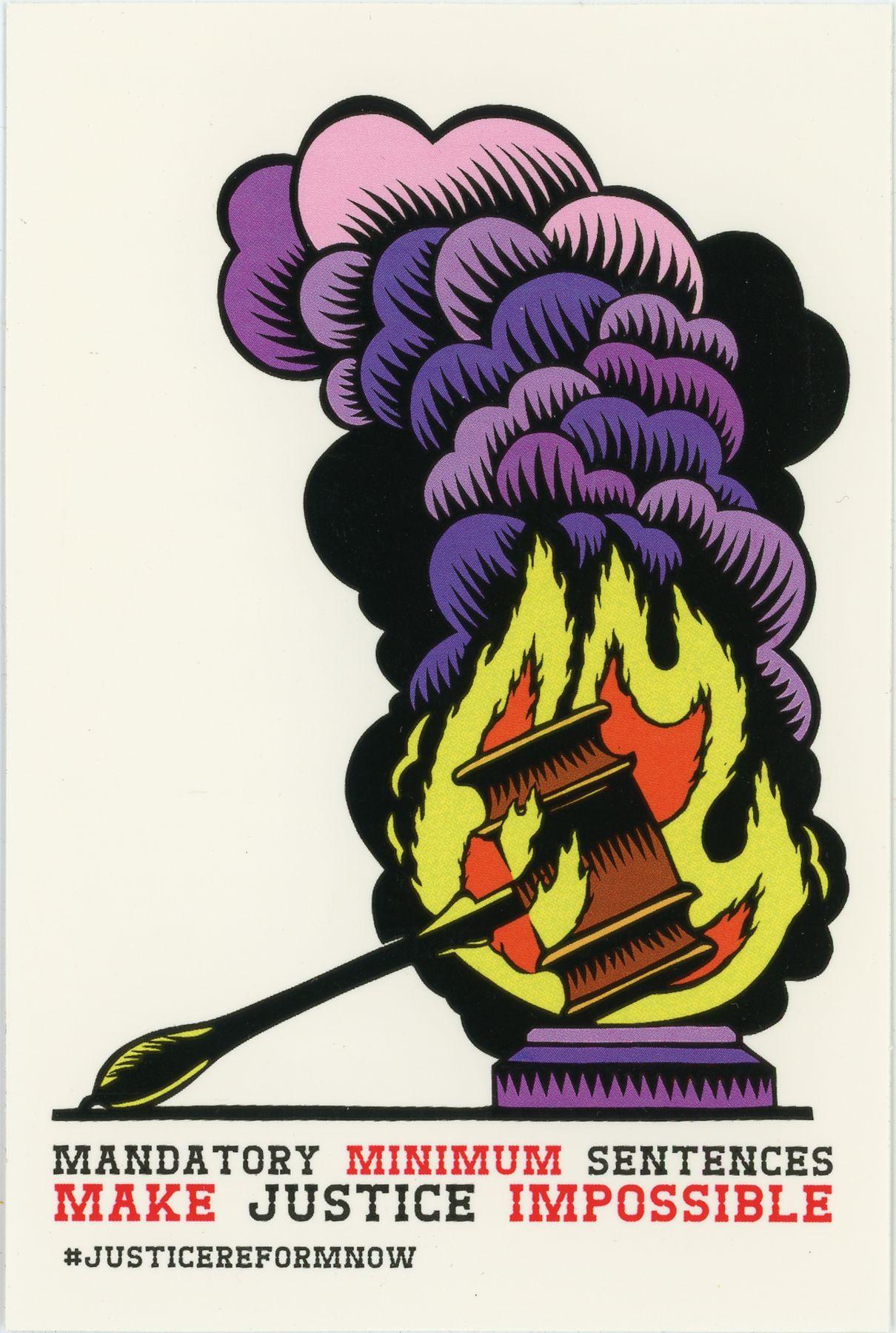
Explore Phillip Vance Smith II’s journey through the carceral system, shedding light on the impact of mandatory minimum sentencing and the challenges faced upon reentry into society.
-
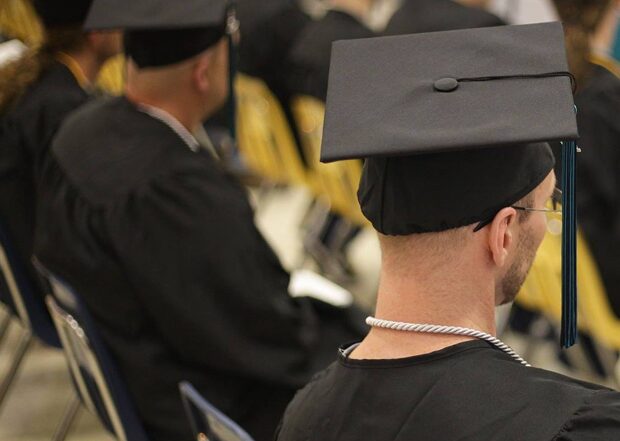
Discover one woman’s inspiring journey from prison to college graduation, highlighting the impact of mentorship and the challenges faced by individuals with convictions on-campus.
-
Striving to overcome a challenging past, Elisha shares her journey from a jail cell to pursuing a dream of becoming a pilot. Embracing hope and resilience, this story sheds light on the transformative power of second chances.
-
Struggles of reintegration post-incarceration are examined through personal experiences in this essay, highlighting challenges in navigating systemic barriers, including conflicts faced in a work release program. An individual shares insights on leveraging prison education amidst the complexities of reentry.
-
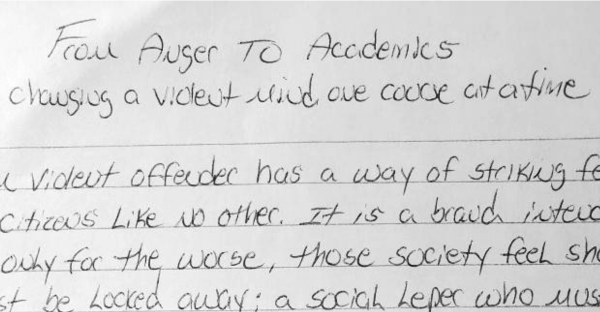
I was faced with a choice early on with my incarceration: allow violence dominance over my life, giving prejudice exactly what it wanted, or change, showing that violent offenders are more than lost causes. I chose the latter, and education would be my cure to cleanse me of this leprosy.
-
“Second Chance Mentality: First Chance Reality,” presented by JSTOR Access in Prison, is our 2024 contribution to Second Chance Month. Each week we will offer a direct portal into the minds and hearts of experts on incarceration who we hear about, but not from. I hope to foster a deeper understanding and human connection through…
-
Stacy Burnett, senior product manager for the JSTOR Access in Prison Initiative, recently sat down with Sara Weissman at Inside Higher Ed (Game-Changing Access to […]
-
Learn how JSTOR Access in Prison has expanded to 1,000 sites, reaching nearly 500,000 incarcerated individuals worldwide. Join us on this audacious journey of education and empowerment.
-
Learn how JSTOR Access in Prison provides secure online and offline access to scholarly journals, ebooks, and research reports for people on the inside, supporting equitable higher education in prison.
-
Learn how Departments of Corrections can bring secure online or offline JSTOR access into correctional facilities to support academic programs and build information literacy for incarcerated learners.



Sign up for updates
Never miss a thing. Get updates from JSTOR delivered straight to your inbox.
By signing up you agree to our Privacy Policy. You may unsubscribe at any time by clicking on the provided link on any marketing message.
"*" indicates required fields