
JSTOR for community colleges
JSTOR partners with community colleges to expand access to knowledge through an affordable, comprehensive, and easy to administer model. Get complete access to thousands of journals and primary sources designed to support teaching, learning, and research across disciplines.

A more economical and simplified model
Like community colleges, JSTOR is committed to expanding and enhancing access to knowledge and education. To help, we developed a community college fee model that is:
- Easier with one comprehensive collection versus individually licensed collections
- All-inclusive, with access to all archival journals and primary sources available for license on JSTOR
- Economical with more than 60% of participating community colleges seeing a decrease in their current fees
- Flexible, with options for an annual subscription or a one-time payment for permanent access with no recurring fees

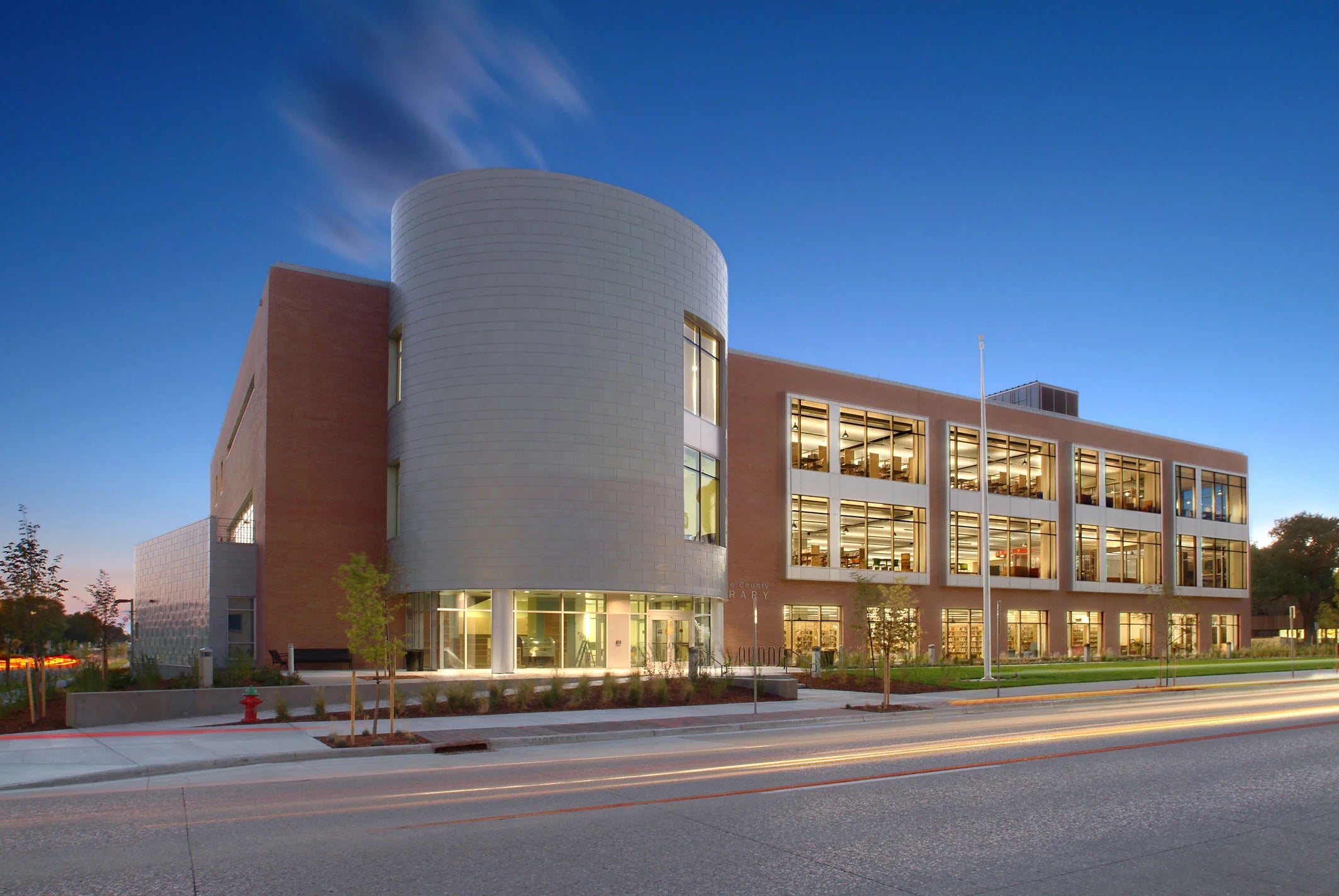
How Wyoming Community Colleges made JSTOR access permanent
Learn how seven campuses in Wyoming secured lifelong access to JSTOR’s full archival collections—with no recurring fees—through our one-time payment option.
What’s included
Comprehensive
Community colleges receive low-cost access to the JSTOR Archival Journals and Primary Sources Collection—a single, all-in-one resource with:
- 2,800+ top scholarly journals across the humanities, social sciences, and sciences
- Complete journal runs from volume 1, issue 1 up to the moving wall
Rich primary sources
The collection also includes millions of primary sources—pamphlets, manuscripts, oral histories, government documents, images, 3D models, and more—from four major collections.
Affordable for all sizes
As a nonprofit, JSTOR provides fees scaled by Full-Time Enrollment (FTE):
- Small: Under 1,000
- Medium: 1,000–10,000
- Large: Over 10,000
Rapidly growing free and open content
We’ve also introduced new functionality and more diverse types of open content from publishers, libraries, archives, and museums, including open images on Artstor and open primary source collections.
Learn more about JSTOR for community colleges
Discover affordable JSTOR access for community colleges—share your info and we’ll take care of the rest.
Take advantage of all JSTOR has to offer
01
Stay organized with Workspace
Create, collect, and collaborate with Workspace—your secure hub for saving, organizing, and sharing research materials. Available with a free personal JSTOR account.
02
Explore open and free content
JSTOR offers a growing set of freely accessible resources, including journals, books, primary sources, library-contributed collections, images, and research reports.
03
Enhance your research with AI
Ask questions in natural language. Summarize texts, explore related materials and topics, and uncover new connections across millions of items. JSTOR’s AI research tool makes complex research more intuitive.
04
Search images on JSTOR
View high-quality images from leading museums, libraries, and archives—all in one powerful visual research platform. Go beyond thumbnails with tools designed for visual analysis.
The latest from JSTOR
Stay up-to-date on all things JSTOR.

Philosophy and JSTOR inside an Ohio prison
A visit to Southeastern Correctional Institution gives the JSTOR Access in Prison team a closer look at how learners use JSTOR and how community shapes education inside.

What’s new in JSTOR Stewardship: July 2026
This month’s JSTOR Stewardship update welcomes new participating institutions, highlights newly available collections on JSTOR, and shares recent work from the digital stewardship community. Featured stories include AI-assisted collections processing, expanded access to distinctive materials, and community-led efforts to make digital collections more discoverable.
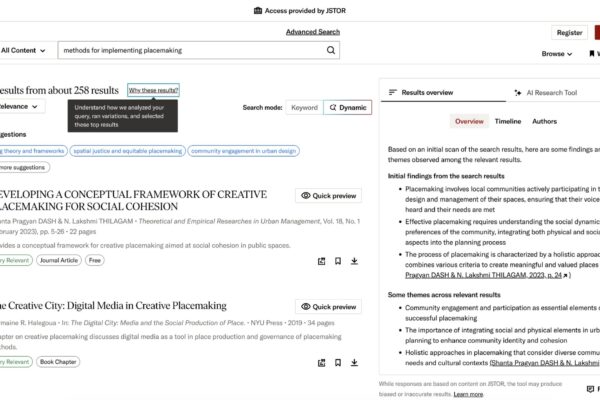
AI is changing research behaviors: How JSTOR preserves thinking and learning
As AI becomes part of the research process, JSTOR is exploring how to design tools that strengthen critical thinking, support research skills, and keep human judgment at the center of learning.

Making JSTOR more accessible worldwide
Learn how JSTOR’s country-based savings and JSTOR Access Initiative help expand access to scholarly resources worldwide, and why the Human Development Index will guide eligibility and pricing beginning in 2027.

JSTOR Digital Stewardship Services secures funding to help institutions expand public access to distinctive collections
With support from the Mellon Foundation, JSTOR Stewardship is launching a new initiative to help participants digitize collections and expand public access.
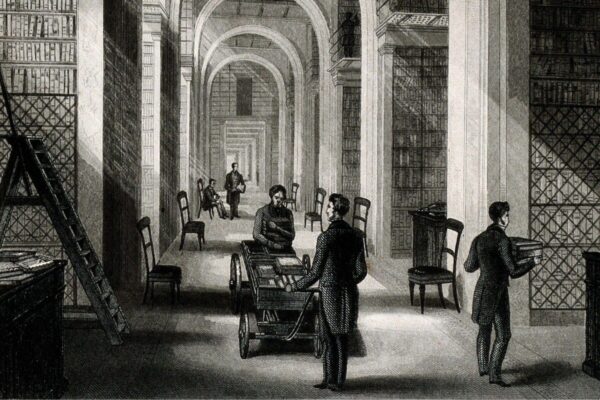
Catalyzing a more public future for distinctive collections: A new initiative within JSTOR Stewardship
New support from the Mellon Foundation will help expand JSTOR Stewardship, giving more libraries and archives the tools to digitize, process, preserve, and share distinctive collections through JSTOR so original sources can reach broader audiences.
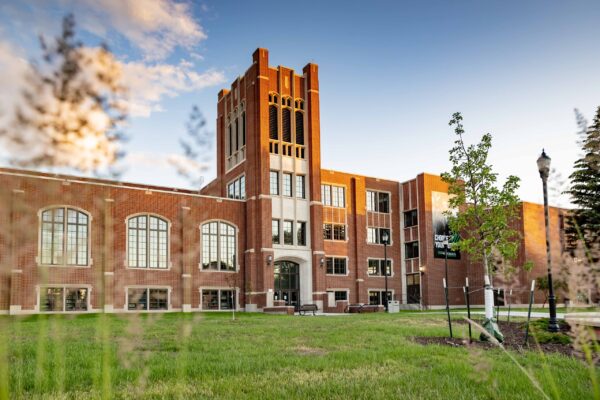
The University of North Dakota joins JSTOR Digital Stewardship Services to advance access to collections
The University of North Dakota joins JSTOR Stewardship, expanding discovery and access to its distinctive digital collections through JSTOR.
JSTOR Digital Stewardship Services training: Project cataloging
Training for Stewardship participants (Tiers 2-3): catalog records, manage media, use linked fields, and organize work. One of three sessions in a monthly Stewardship training series.
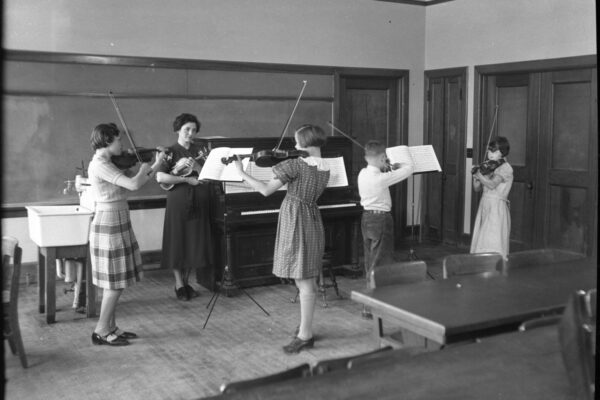
Eastern Michigan University expands partnership with JSTOR Digital Stewardship Services by joining Tier 3 charter program
Eastern Michigan University joins JSTOR Stewardship’s Tier 3 charter program, building on its role as an early JSTOR Seeklight beta partner to advance responsible, AI-assisted stewardship.
Get JSTOR
Interested in JSTOR’s archival journals and primary sources?
Connect with our team to explore access options for your institution and discover how JSTOR can support your library’s teaching and research goals.
View image credits from this page
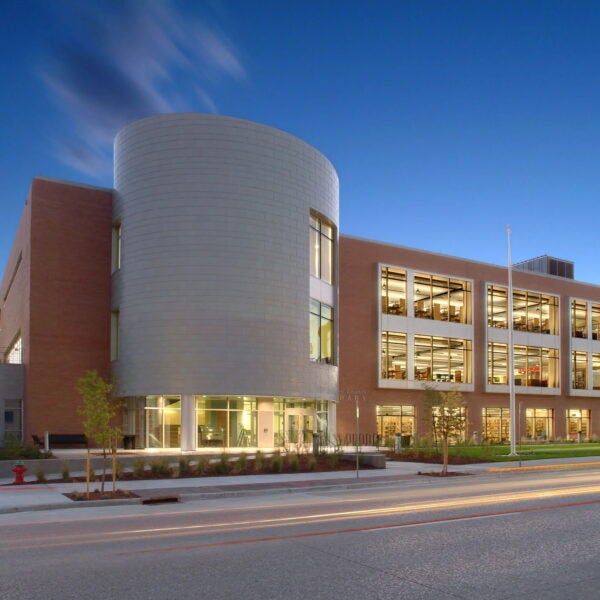
Evening view of Laramie County Community College Ludden Library’s curved facade and illuminated interior. Photo courtesy of Stasis Design.