A is for Animal: A is for April and the prevention of cruelty
2 minutes
JSTOR is offering up a beastly alphabet in observance of this month, dedicated by the ASPCA to the prevention of cruelty to animals. You may be surprised at the creatures we can conjure.
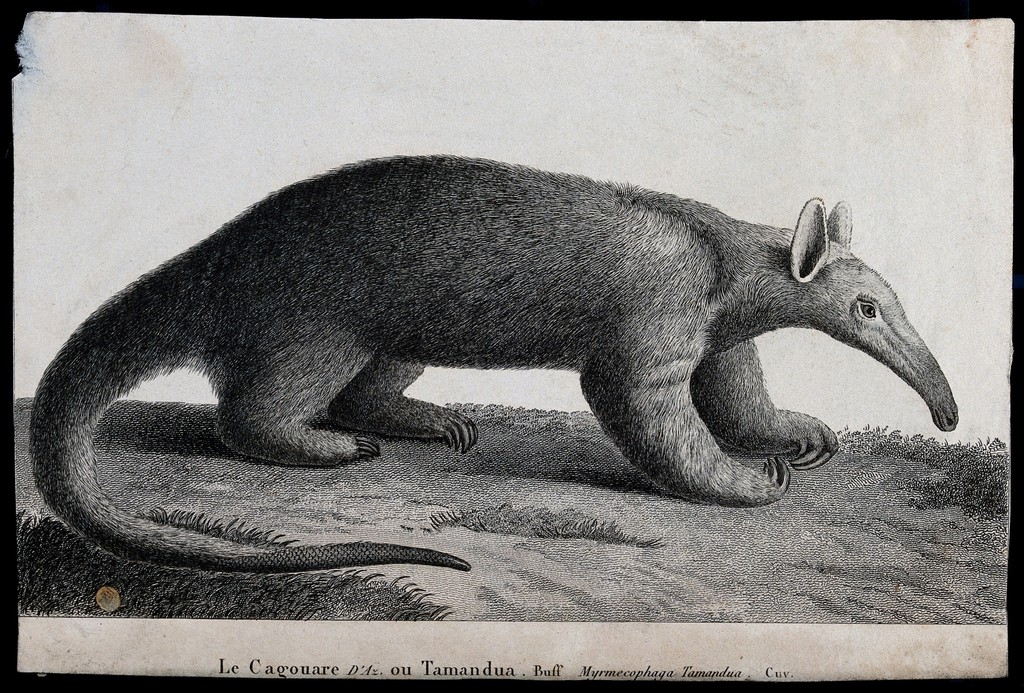
French A giant anteater. Etching. Image and data from the Wellcome Collection. CC BY 4.0.
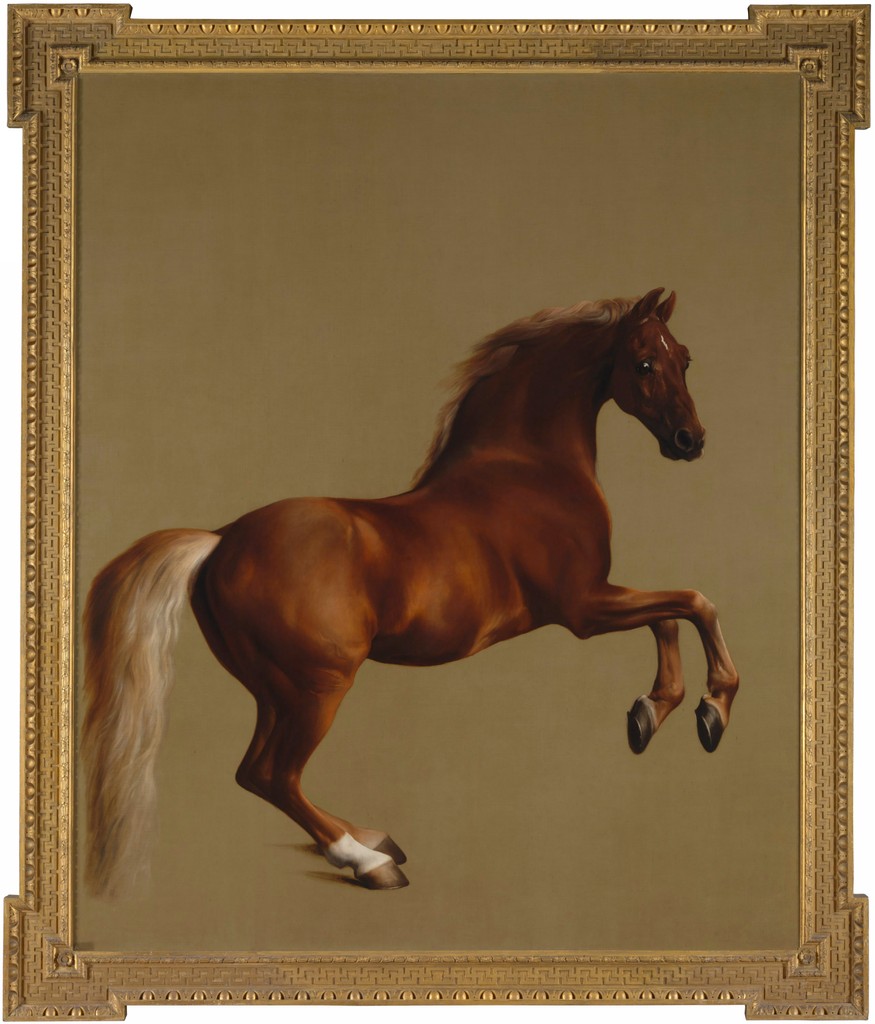
George Stubbs. Whistlejacket. c. 1762. Oil on canvas. Image and data from The National Gallery, London.
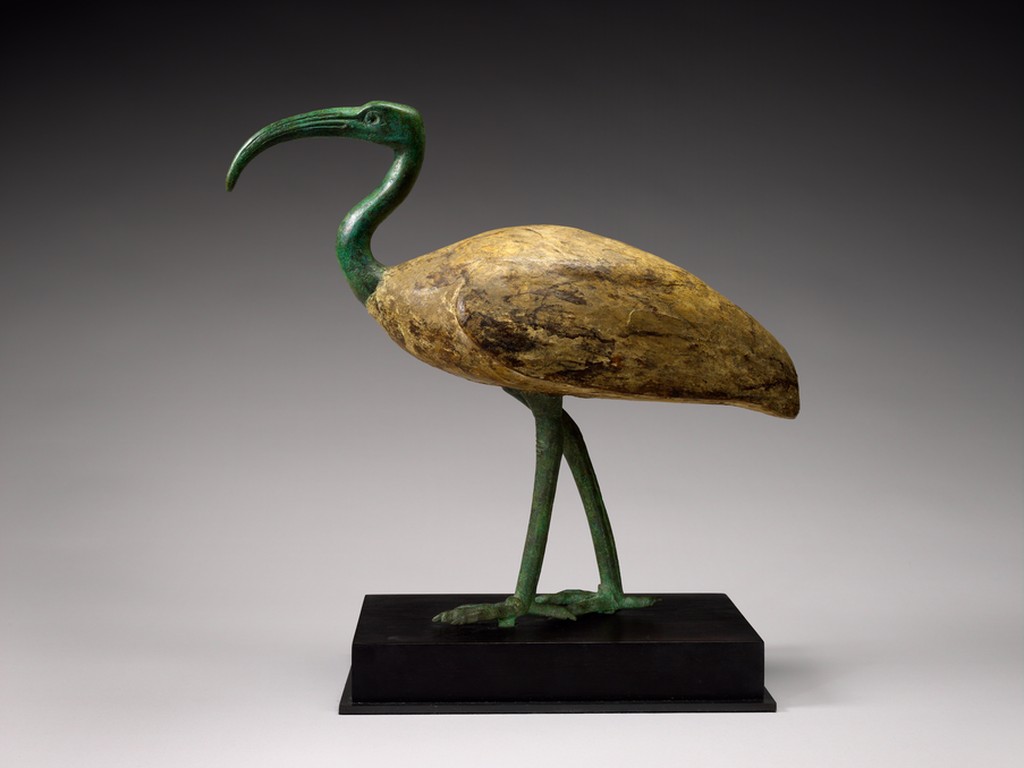
Unknown Egyptian. Ibis. 664-332 BCE. Wood and bronze. Image and data from the Museum of Arts, Houston.
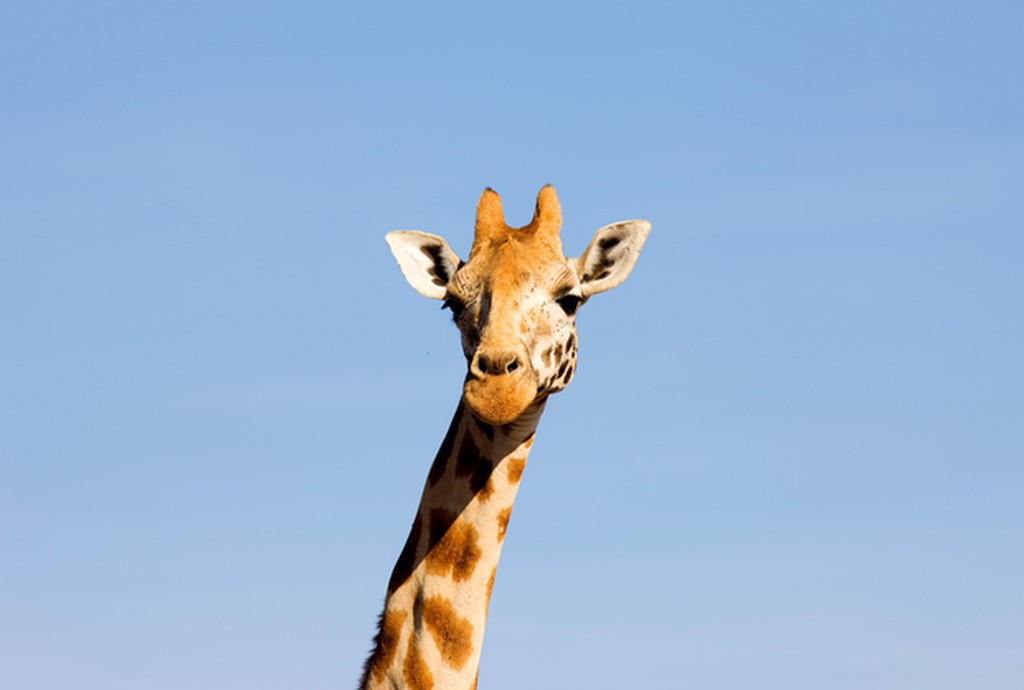
G is for Giraffe, tall as the trees
H is for Horse, companion and workmate
I is for Ibis, extreme beak and legs
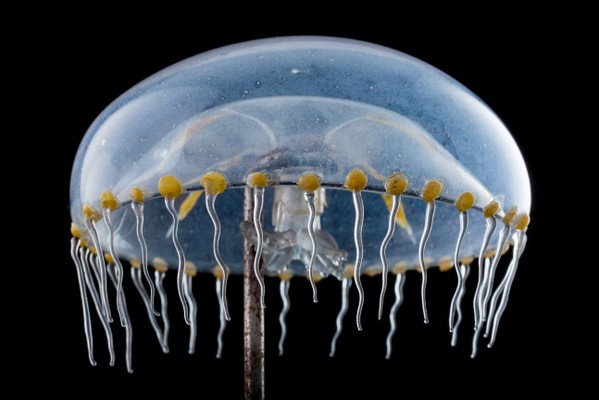
Gary Hodges. Clytia phosphorica. Photograph. Image and data from Cornell: Cornell Collection of Blaschka Invertebrate Models.
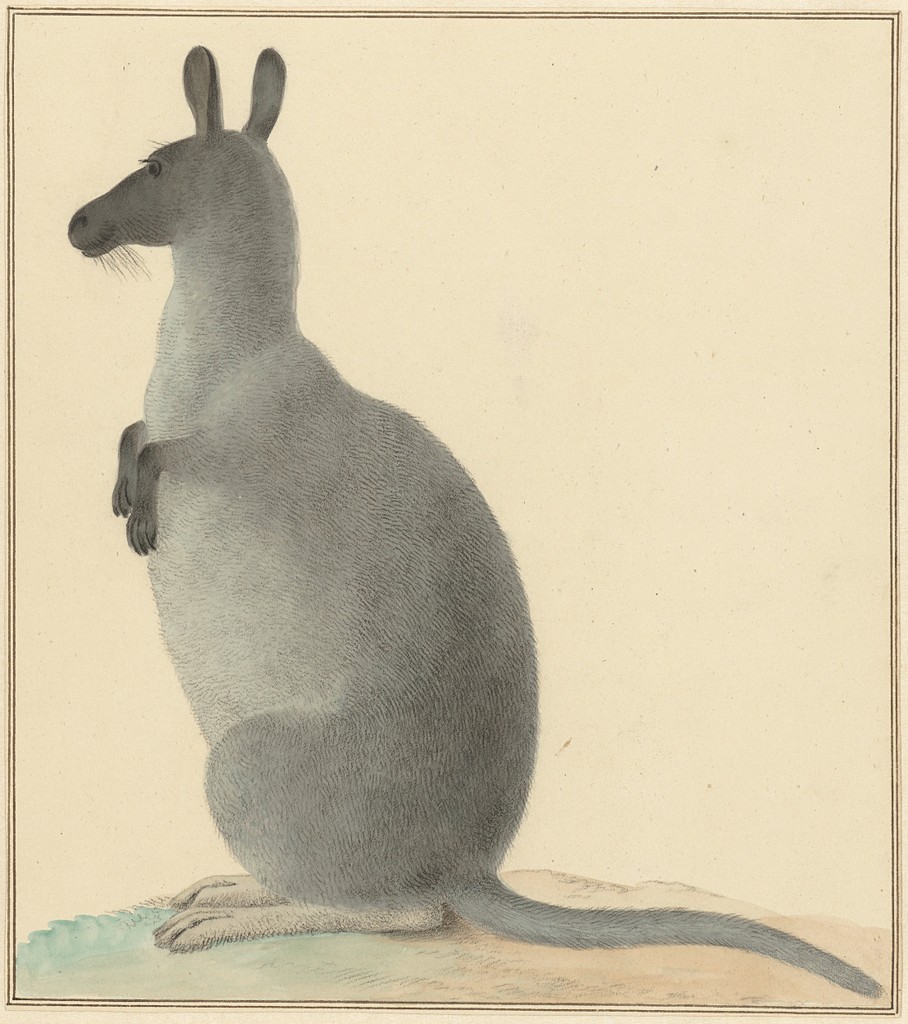
Isaac van Haastert. Kangaroo. 1763 – 1834. Drawing. Image and data from the Rijksmuseum.
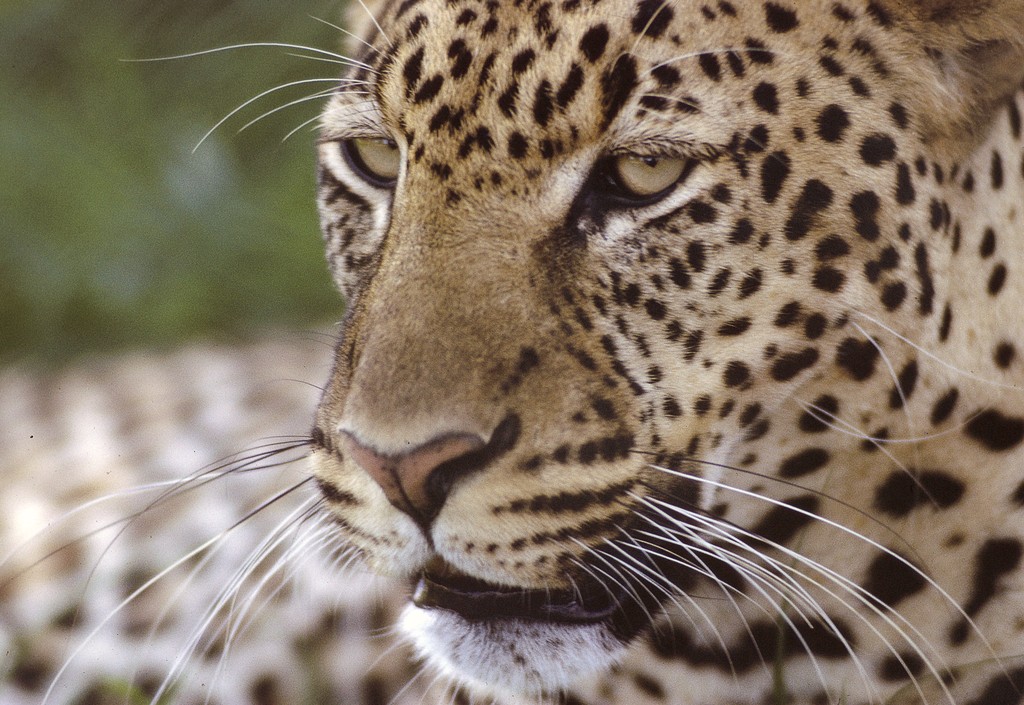
Stanley N. Botwinik. Leopard portrait. 1970. Photograph. Image and data from the Peabody Museum of Natural History (Yale University).
J is for Jellyfish, shape shifter
K is for Kangaroo in leaps and bounds
L is for Leopard, known by its spots
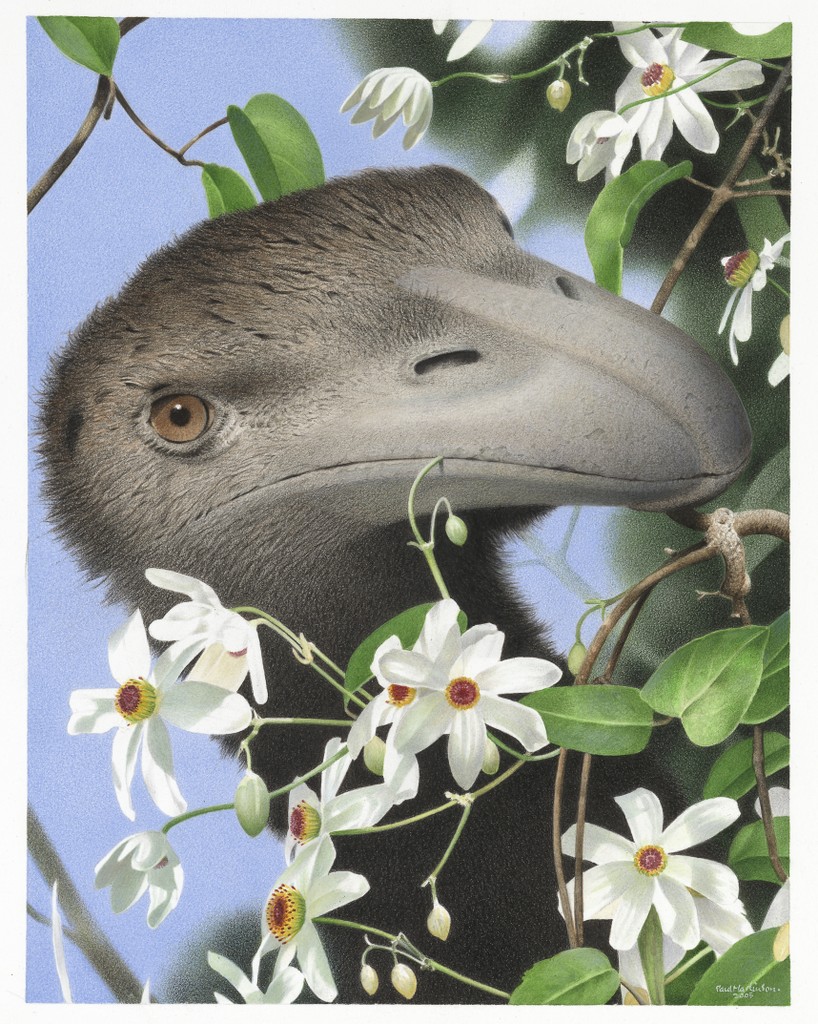
Paul Martinson. North Island Giant Moa. From the series: Extinct Birds of New Zealand.
2005. Watercolor. Image and data from the Museum of New Zealand – Te Papa Tongarewa. CC BY-NC-ND 4.0.
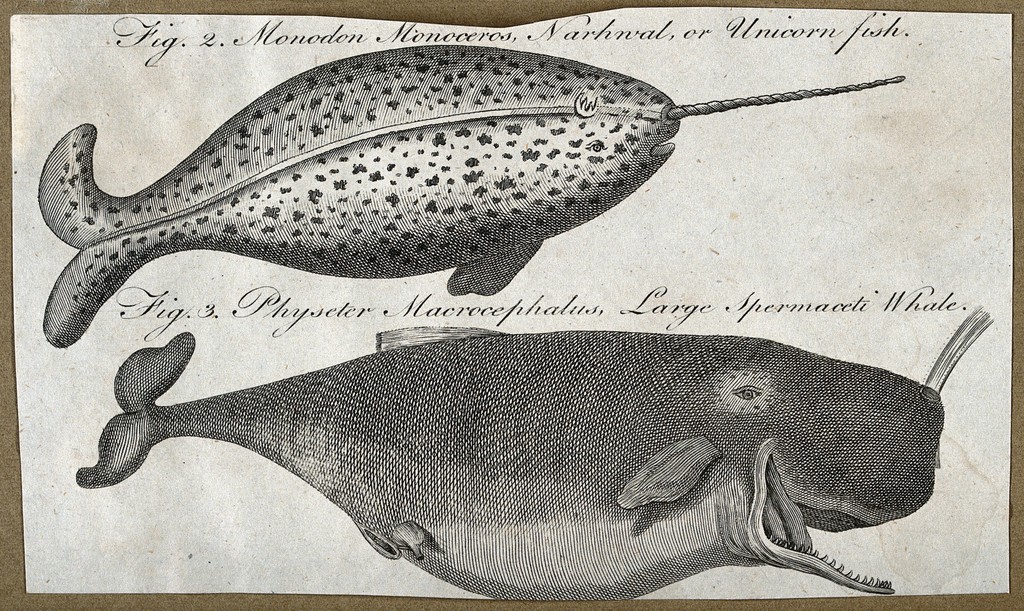
English. A narwhal and large sperm whale. Engraving. Image and data from the Wellcome Collection. CC BY 4.0.
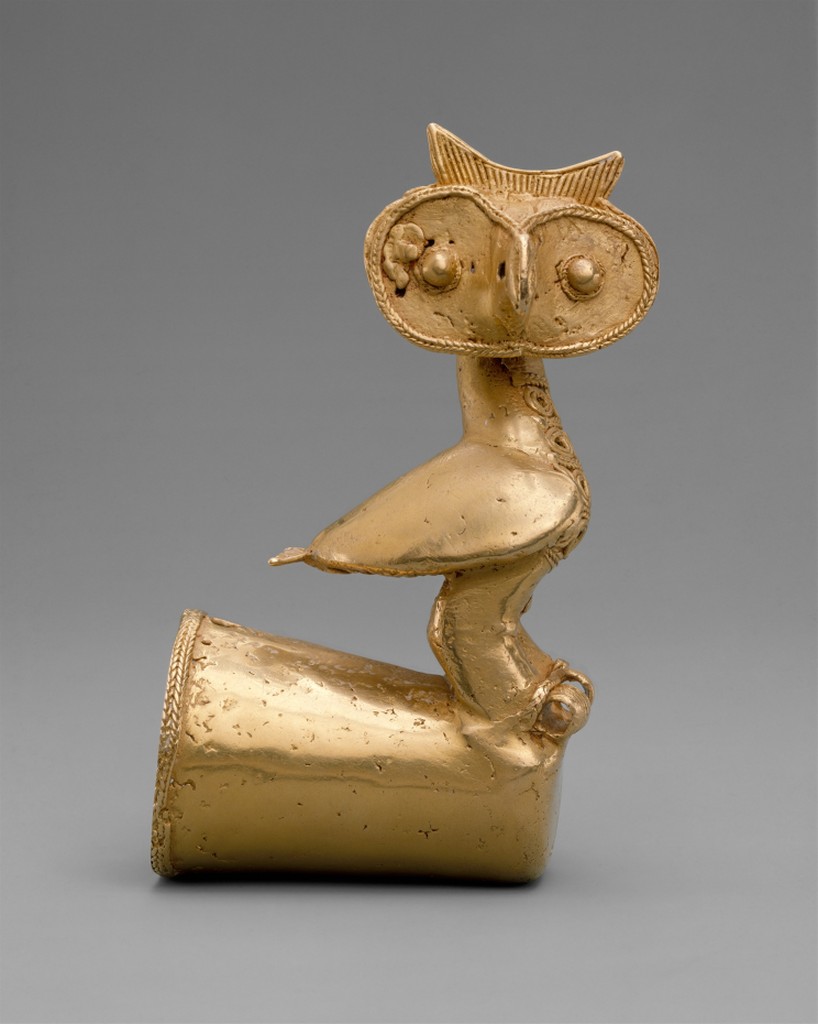
Zenú. Owl Staff Head. CE A.D. 1-1000. Gold. Image and data from The Metropolitan Museum of Art. CC0 1.0.
M is for Moa, once giant and flightless
N is for Narwhal, unicorn of the sea
O is for Owl, who owns the night
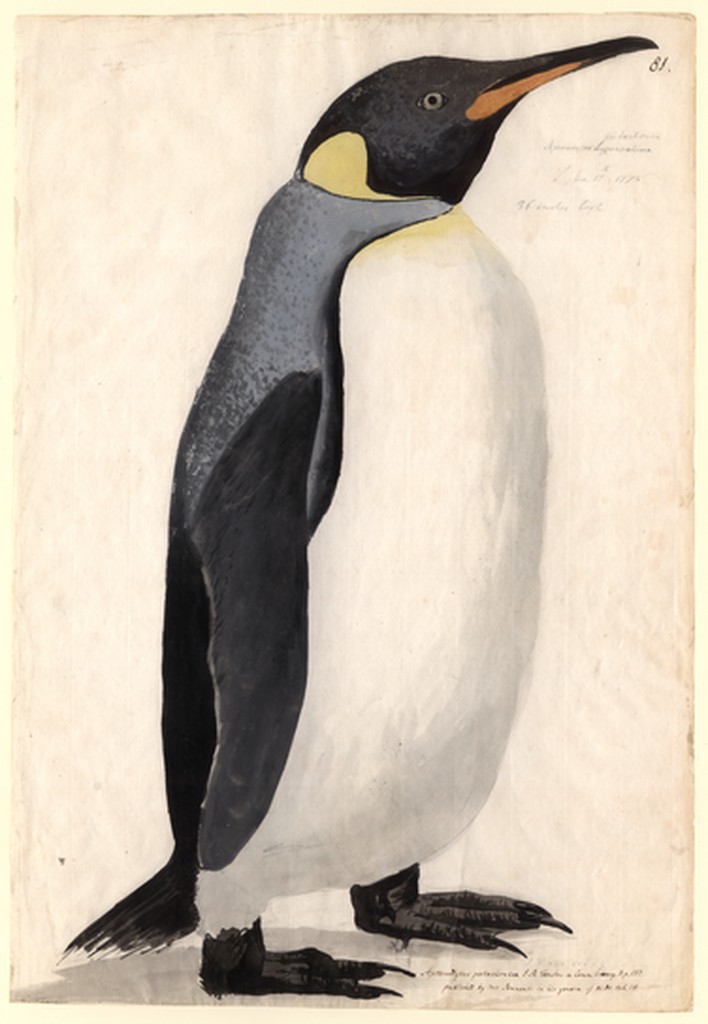
Johann Georg Adam Forster. King Penguin. 17/1/1775. Image and data from the Natural History Museum, London.
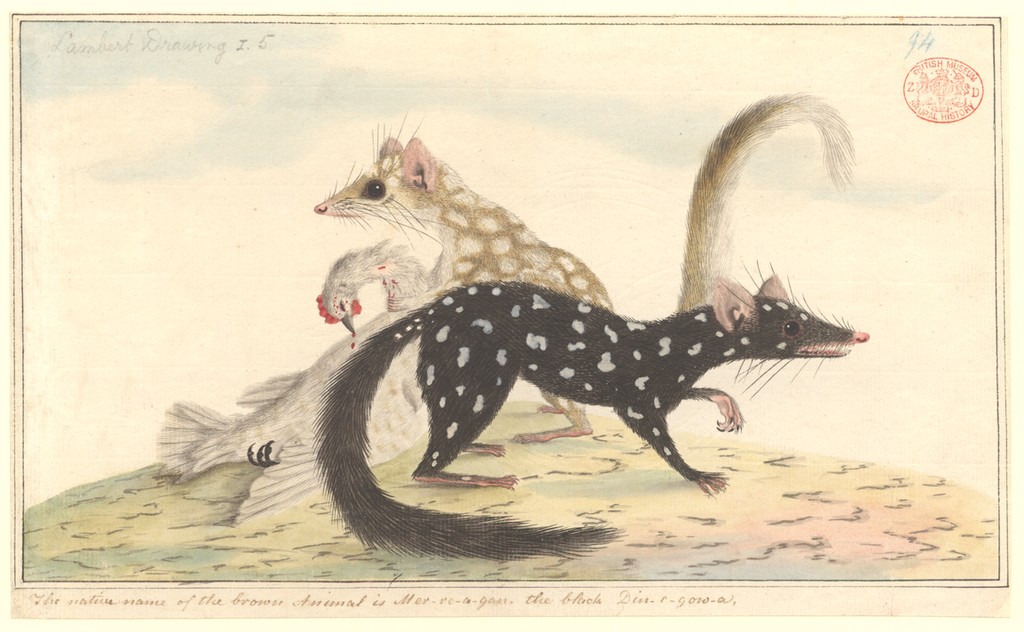
Port Jackson Painter. … Marsupials, “Mer-re-a-gan” and “Din-e-gow-a”… Quoll. 1788-1797. Watercolour, body colour and ink. Image and data from the Natural History Museum, London.
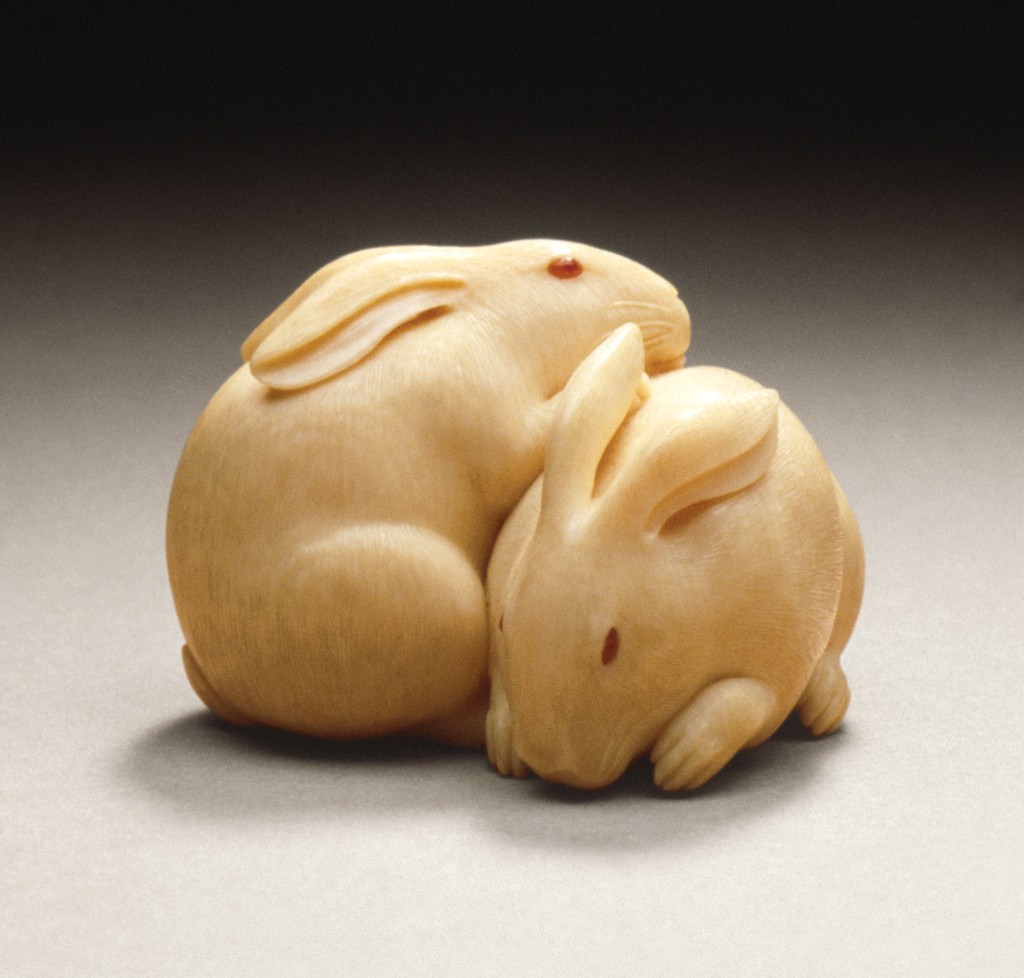
Kaigyokusai (Masatsugu). Rabbit Pair. Mid to late 19th century. Ivory, netsuke. Image and data from the Los Angeles County Museum of Art.
P is for Penguin, dapper and devoted
Q is for Quoll, quaint marsupial
R is for Rabbit, soft and swift
Jan Asselijn. The Enraged Swan. 1640 – 1652. Oil on canvas. Image and data from the Rijksmuseum.
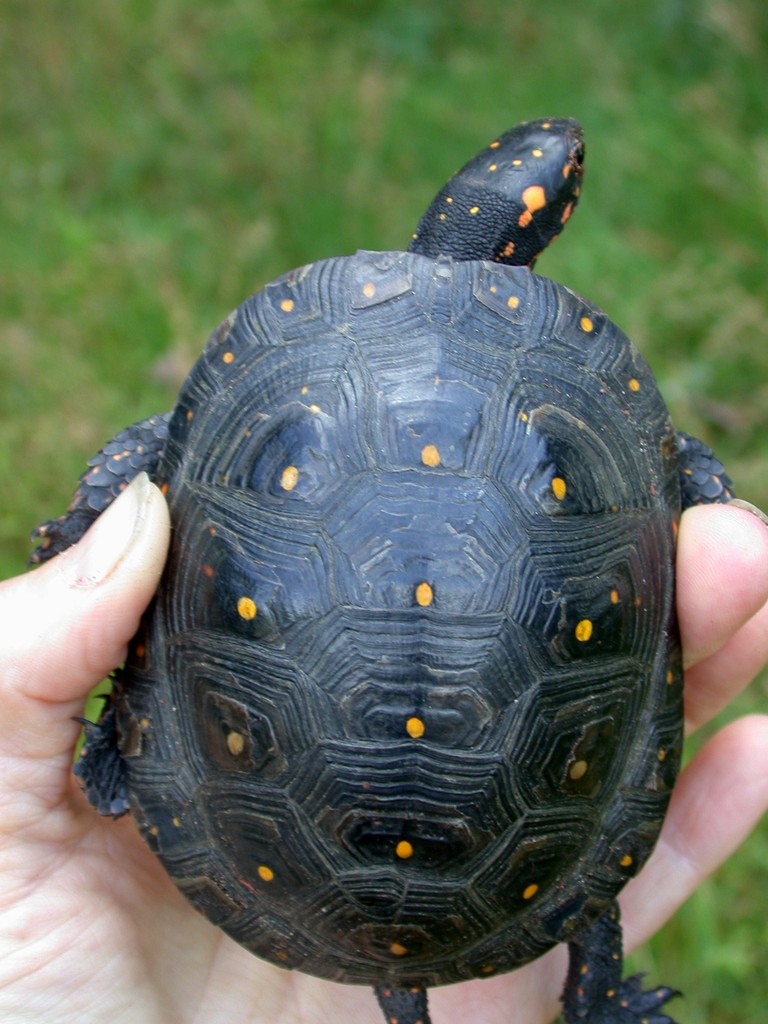
Rob Stevenson. Spotted Turtle showing carapace. 2004. Photograph. Image and data from the University of Massachusetts, Boston.
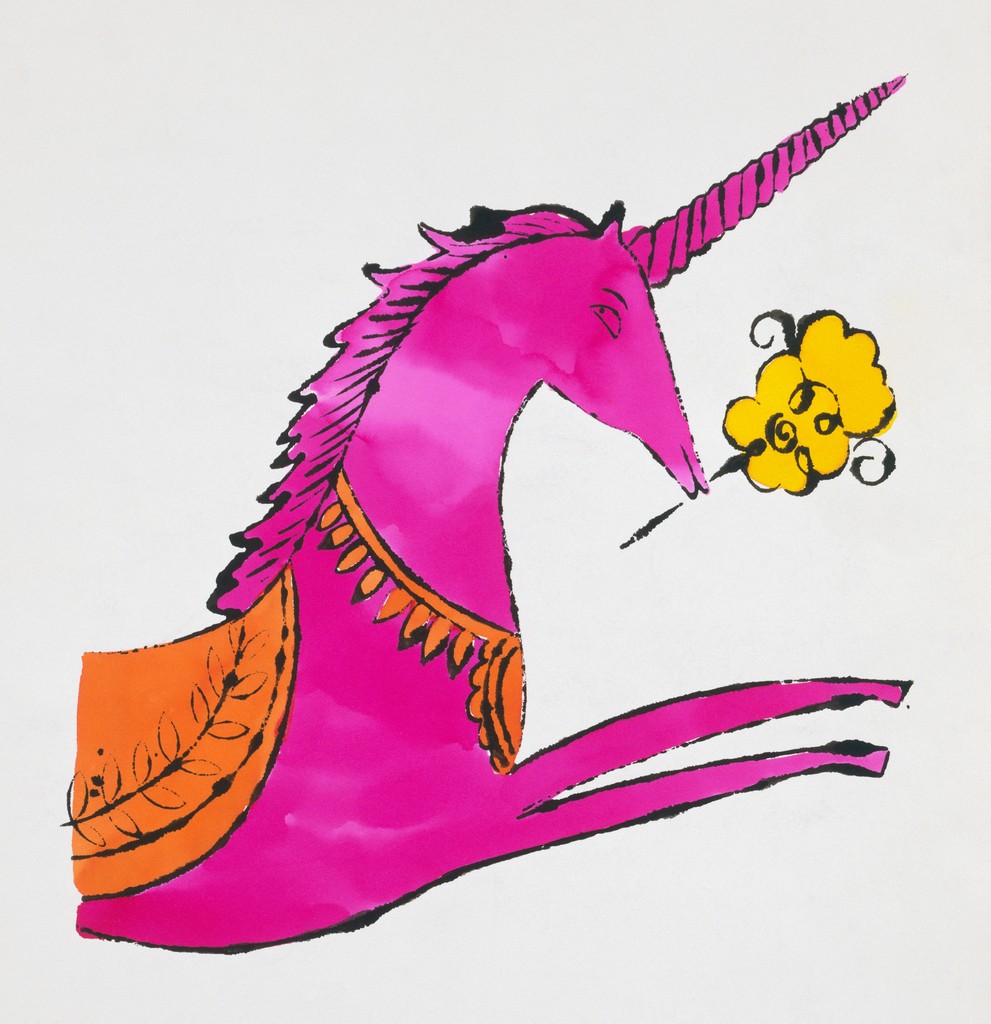
Andy Warhol . Untitled (unicorn). c. 1956. Ink and Dr. Martin’s Aniline dye. Image and data from The Andy Warhol Foundation for the Visual Arts, Inc.
S is for Swan ruling the waterways
T is for Turtle safe in its shell
U is for Unicorn and uber unique
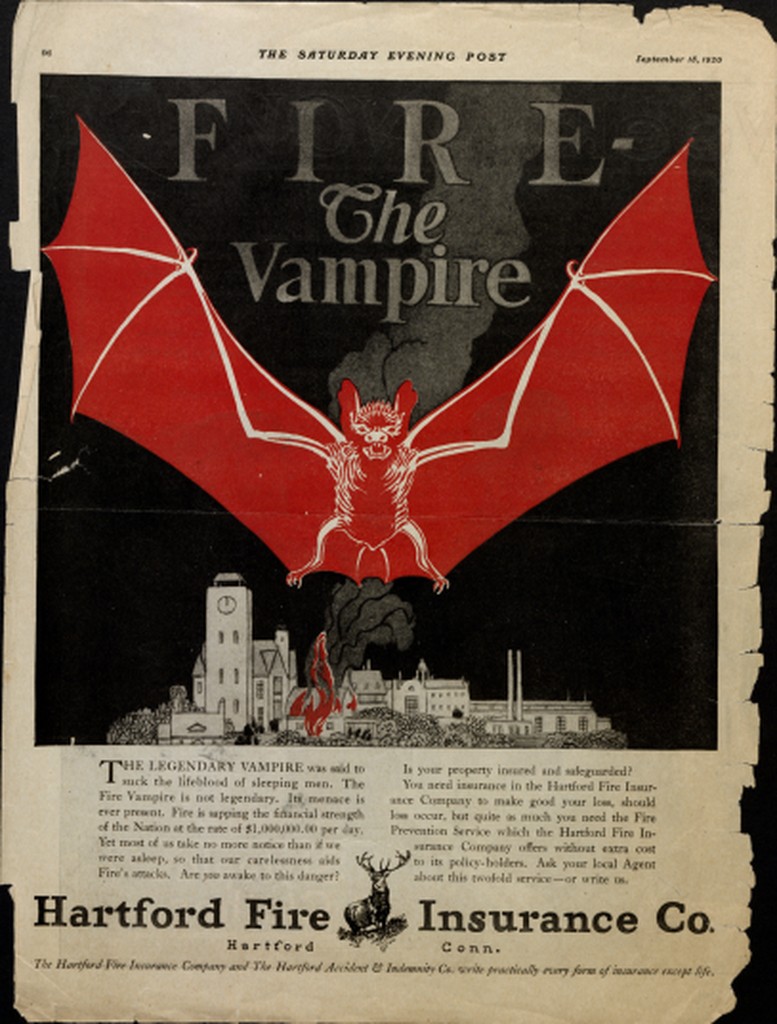
René Clarke. Fire the Vampire. September 18, 1920 (The Saturday Evening Post). Print. Image and data from Washington University.
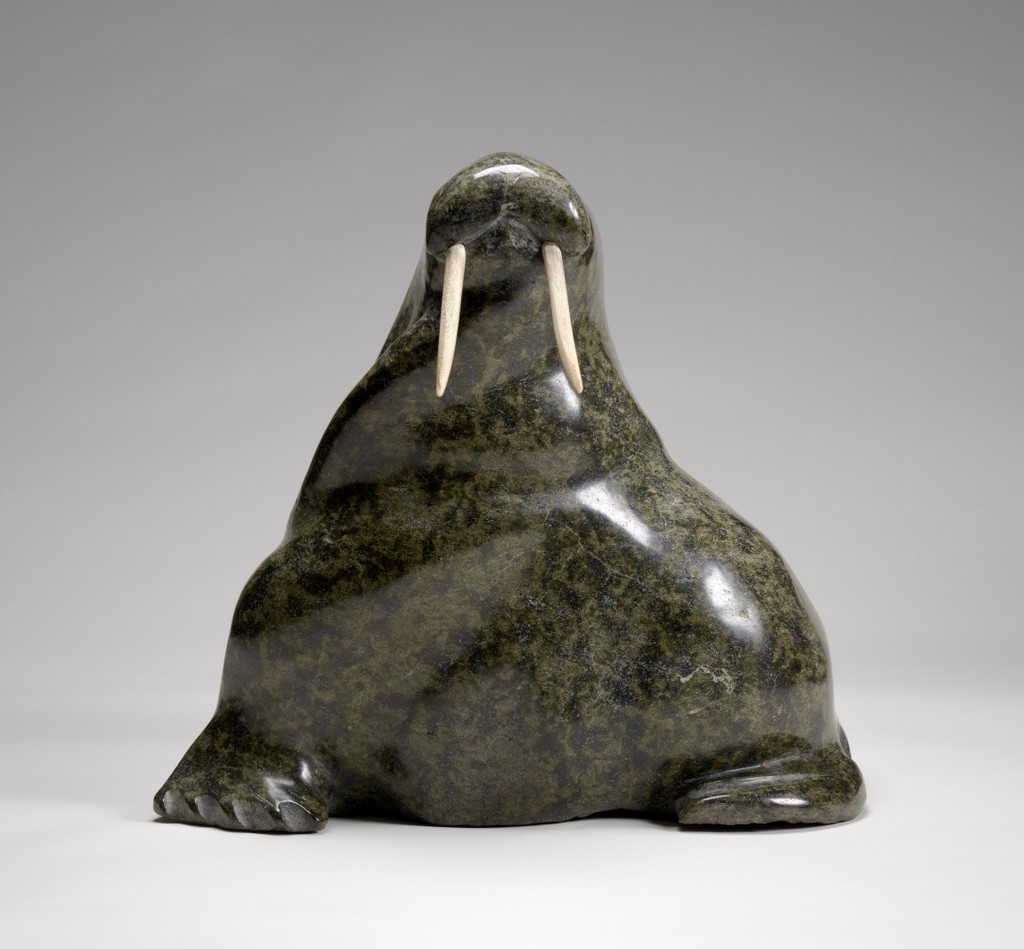
Enook Manomie. Sitting Walrus. 1983. Soapstone, ivory. Image and data from the Smith College Museum of Art.
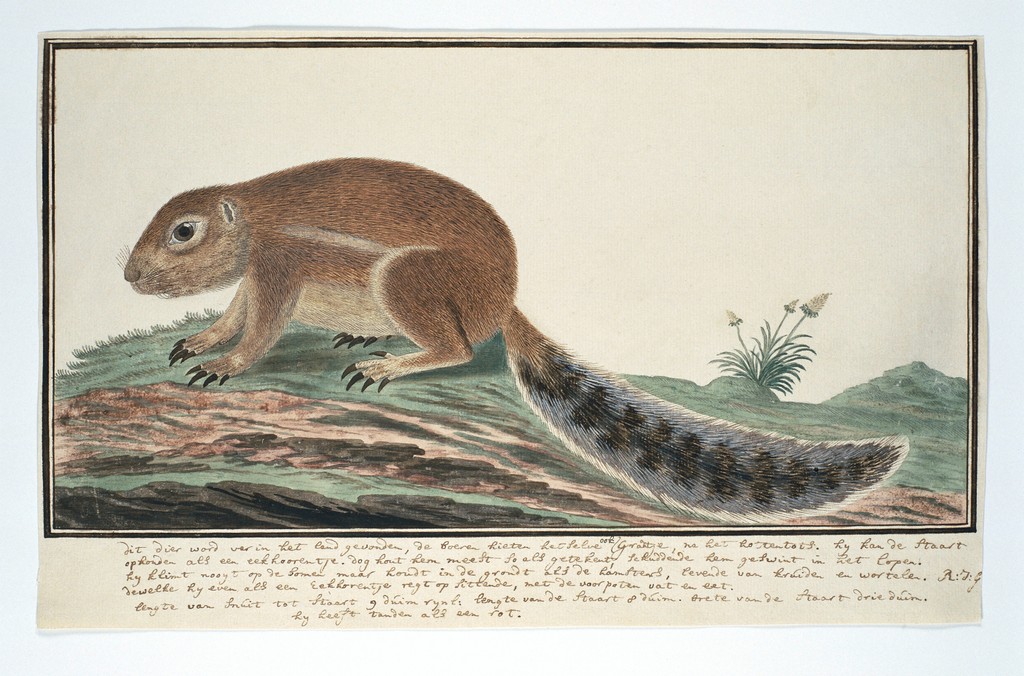
Robert Jacob Gordon. Xerus inauris. 1777-1786. Drawing. Image and data from the Rijksmuseum.
V is for Vampire bat, dining by night
W is for Walrus, a wall of a beast
X is for Xerus who owns X
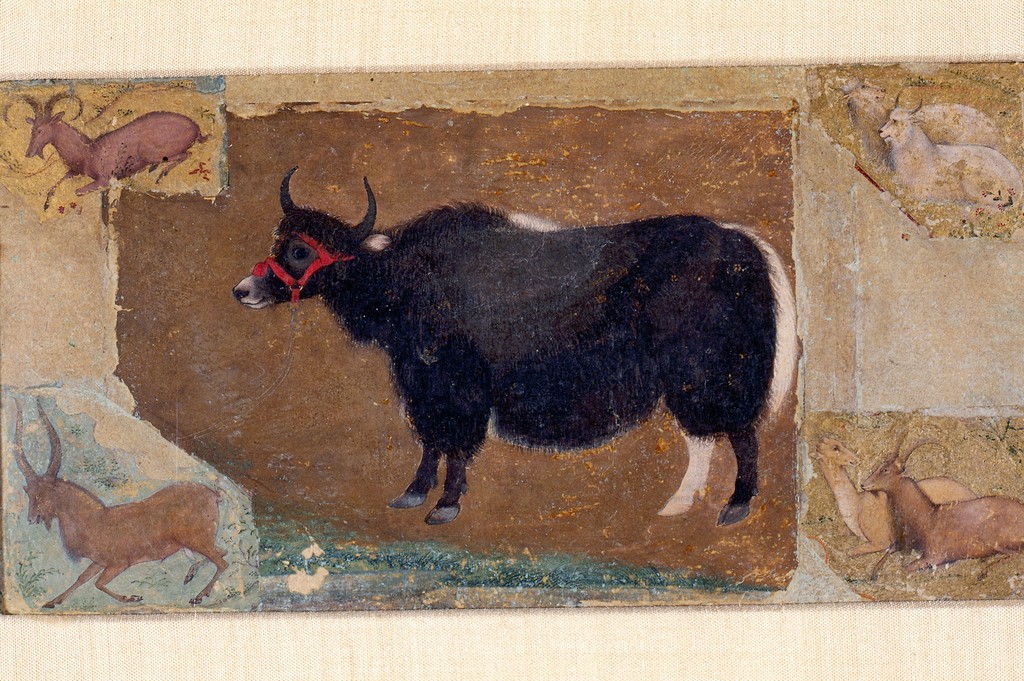
Abu’l Hasan and Nadir al Zaman. Tibetan Yak. c. 1610. Miniature, opaque watercolor. Image and data from the Asian Art Archives, University of Michigan.
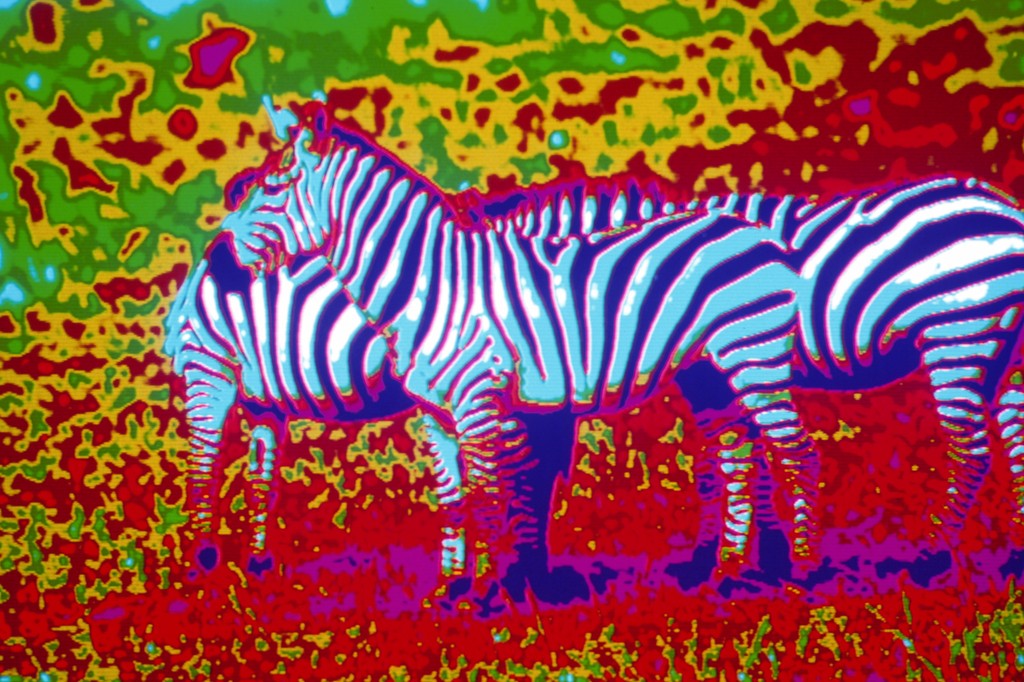
Stanley N. Botwinik. Zebra poster (faux colors). Photograph. Image and data from the Peabody Museum of Natural History (Yale University).
Y is for Yak, the ox with a Y
Z is for Zebra, boldly striped
Further, try searches with these and other animalist artists: Rosa Bonheur, George Stubbs, Paulus Potter, Tsugoharu Foujita, William Wegman, John James Audubon, Edwin Landeer, Rembrandt Bugatti, Antoine-Louis Barye, Eadweard Muybridge. And finally, the collections below will yield more fabulous fauna: