
JSTOR Blog
-
February brought new archival collections and multimedia highlights to JSTOR. In honor of Black History Month, we also highlighted stories of activism, resilience, and creative expression.
-
Since 2012, Books at JSTOR has expanded to include over 146,000 scholarly ebooks from 345 global publishers, supporting diverse library needs through flexible acquisition models like Demand Driven Acquisition (DDA) and Evidence Based Acquisition (EBA).
-
JSTOR’s interactive research tool allows users to actively engage with texts by asking questions directly within the tool. Based on user feedback, we created this guide to help you get the most out of this feature. We’ll explore how asking the right types of questions can help you quickly find relevant content, understand complex arguments,…
-
Streamline research, gain metadata insights, and boost student success with JSTOR’s interactive research tool. We’ve designed its new features and enhancements to elevate your research experience.
-
How can artificial intelligence enhance humanities research and teaching while preserving the discipline’s rich traditions and interpretive depth? This question guided a dynamic session at the 2025 Modern Language Association (MLA) Conference—a gathering of thousands of educators, students, and scholars passionate about language, literature, and culture.
-
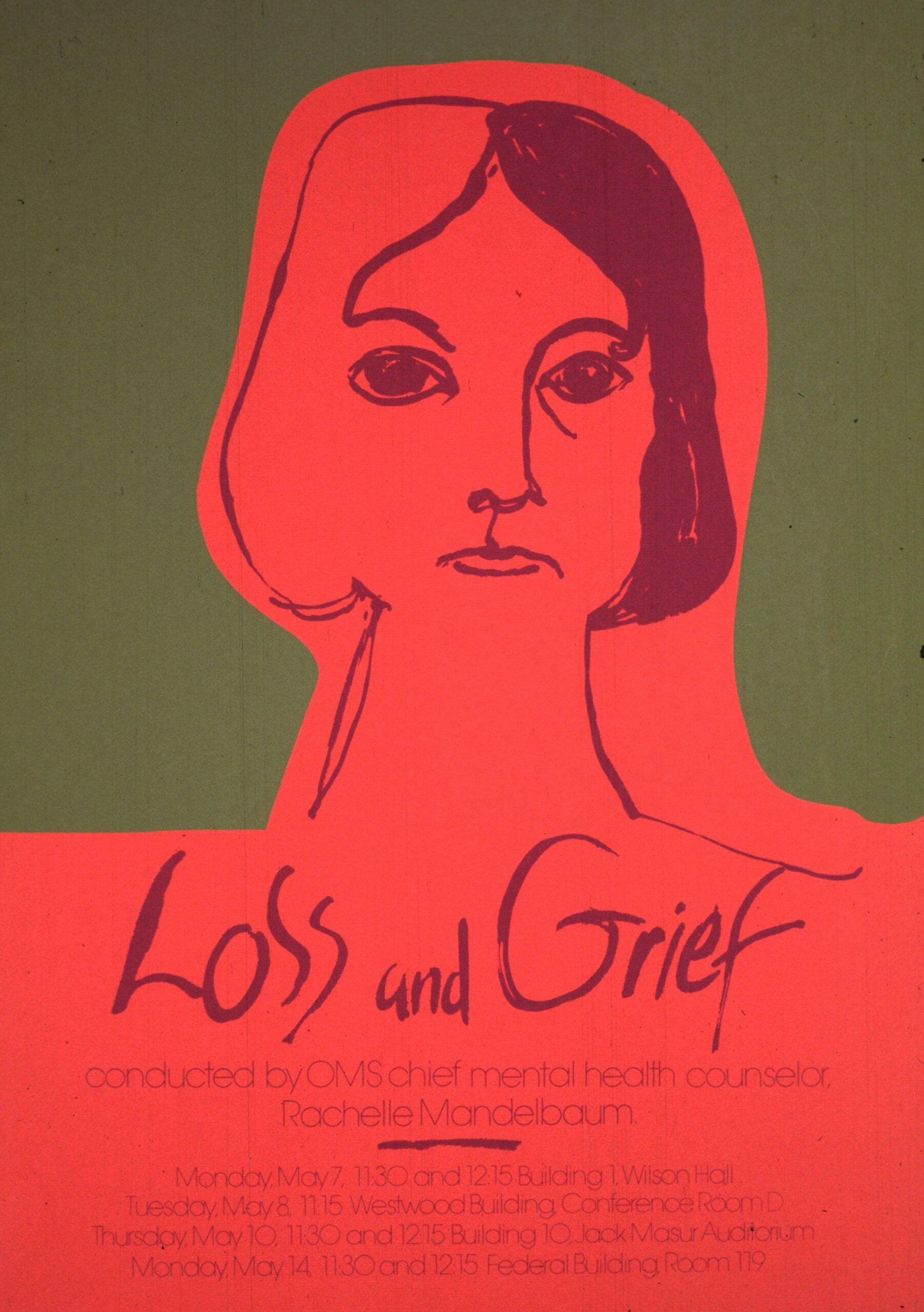
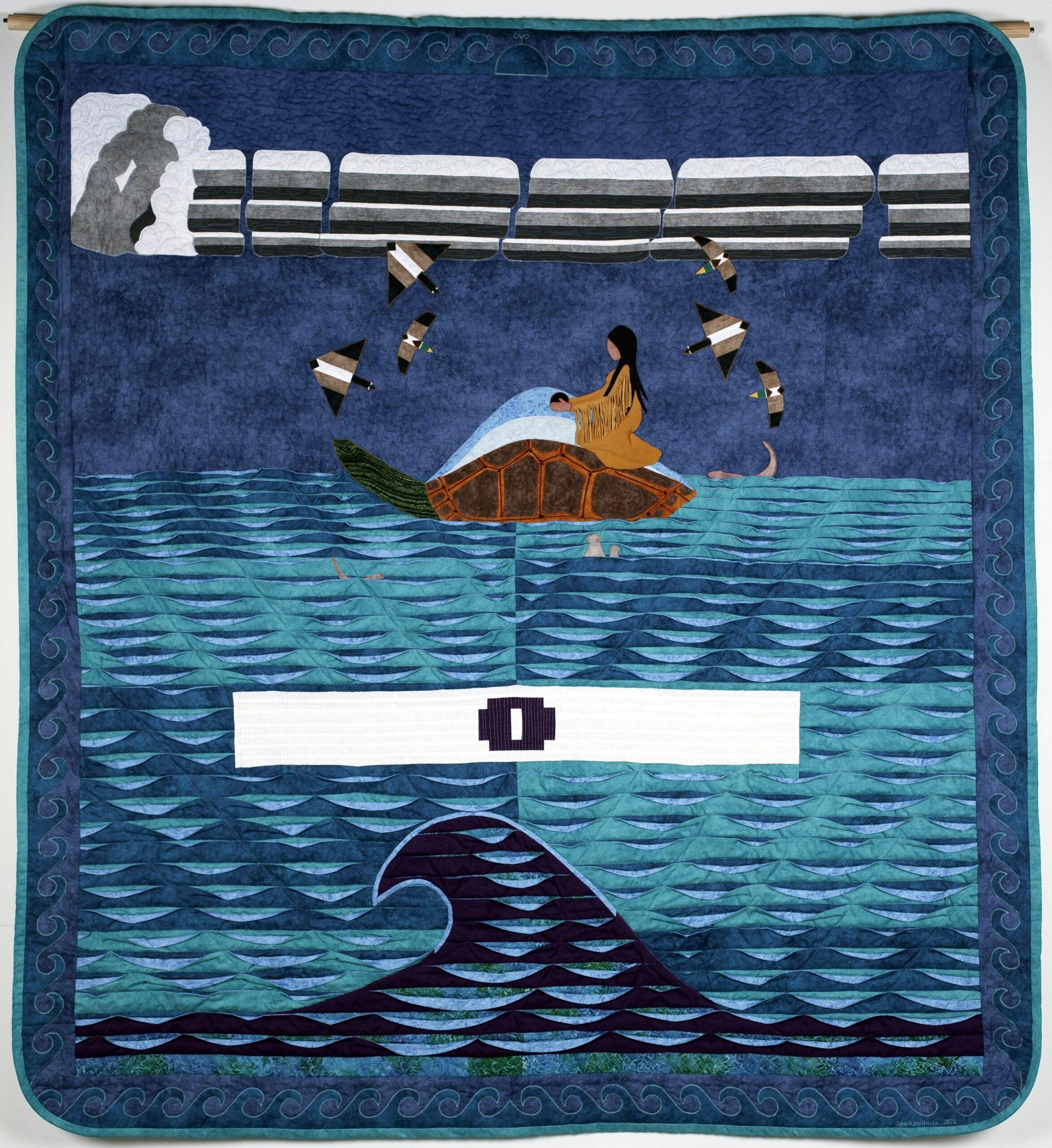
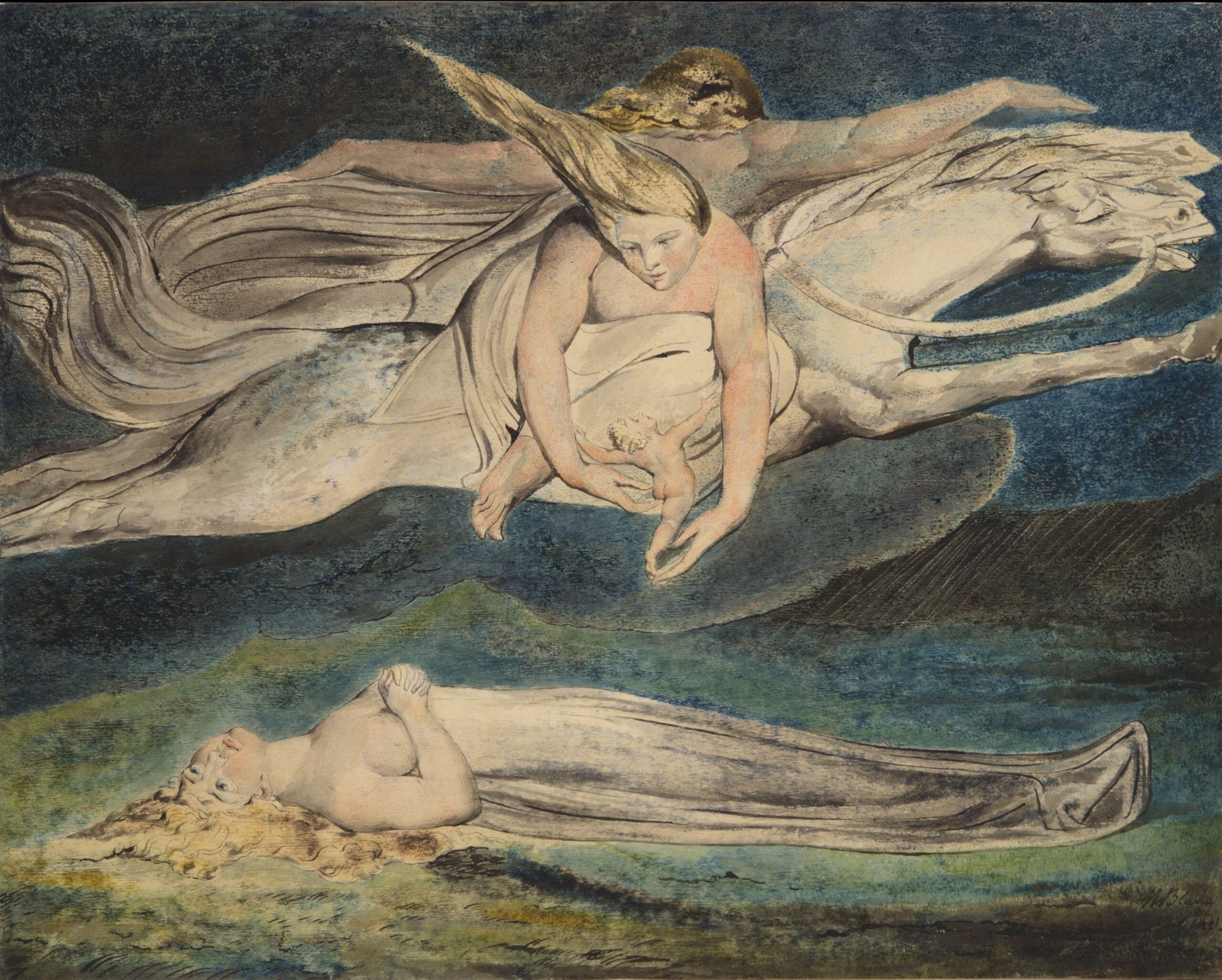
Explore the many ways grief is represented in art, archives, and personal expression. This blog post examines historical and contemporary depictions of mourning, from letters to lost loved ones to visual tributes like the AIDS Memorial Quilt, revealing how creative practices help us process loss.
-
Explore new Path to Open titles on JSTOR supporting teaching and research. View January 2025 releases and access options.
-
For 30 years, JSTOR has expanded access to knowledge through thoughtful, mission-driven choices. This journey has included key adjustments to ensure equity, sustainability, and continued support for research and education worldwide.
-
Highlighting key 2025 grant opportunities for libraries to digitize, preserve, and describe collections, including funding for audiovisual materials and community archives. Deadlines and award amounts vary, offering multiple pathways for support.
-
January’s highlights on JSTOR showcase the power of archives to preserve stories, from student activism and South African art to Montana’s rich history and groundbreaking scientific films.
-
Imagine having all your research articles, annotations, and highlights in one place, accessible from anywhere. With a personal JSTOR account, you’re not just accessing knowledge—you’re organizing, collaborating, and staying ahead in your field.
-
Accessible knowledge opens the door to education. In 2025, explore JSTOR’s open access collections, featuring art, photographs, and cultural archives that empower visual literacy and interdisciplinary discovery.
-
Explore new Path to Open titles on JSTOR supporting teaching and research. View December 2024 releases and access options.
-
As the final month of 2024 comes to a close, we’re reflecting on the diverse and impactful collections and multimedia added to JSTOR this December.
-
Examples and case studies that show how Artstor on JSTOR can be used to enhance the teaching and learning of medicine and medical history.
-
Artstor on JSTOR provides half a million useful images documenting architecture across the world, from ancient architecture to contemporary buildings. See how they might be used for teaching and research.
-
At the Charleston Conference 2024, JSTOR presented its vision for managing and preserving digital collections into the future. “Not Just Another AI Session” highlighted how cutting-edge tools—including JSTOR’s digital collection processing prototype and interactive research tool (beta)—can transform access to archival materials while staying true to JSTOR’s nonprofit mission.
-
November brought new opportunities to explore underrepresented voices, rich cultural artifacts, and engaging multimedia content on JSTOR. This month’s additions provide researchers, educators, and students with unique insights into history, art, and human ingenuity.
-
Organize, compare, and share your research like never before with JSTOR’s Workspace. Perfect for librarians, faculty, and students, it streamlines resource management and collaboration, making research easier and more efficient.
-
Discover how Artstor’s images elevate literature education and explore two compelling case studies from a UC Irvine professor and a Philadelphia Museum of Art educator.
-
Explore new Path to Open titles on JSTOR supporting teaching and research. View August through October 2024 releases and access options.
-
This month on JSTOR, we continued expanding access to invaluable content, adding multimedia and archival collections that amplify voices from the past. Discover our picks from the month.
-
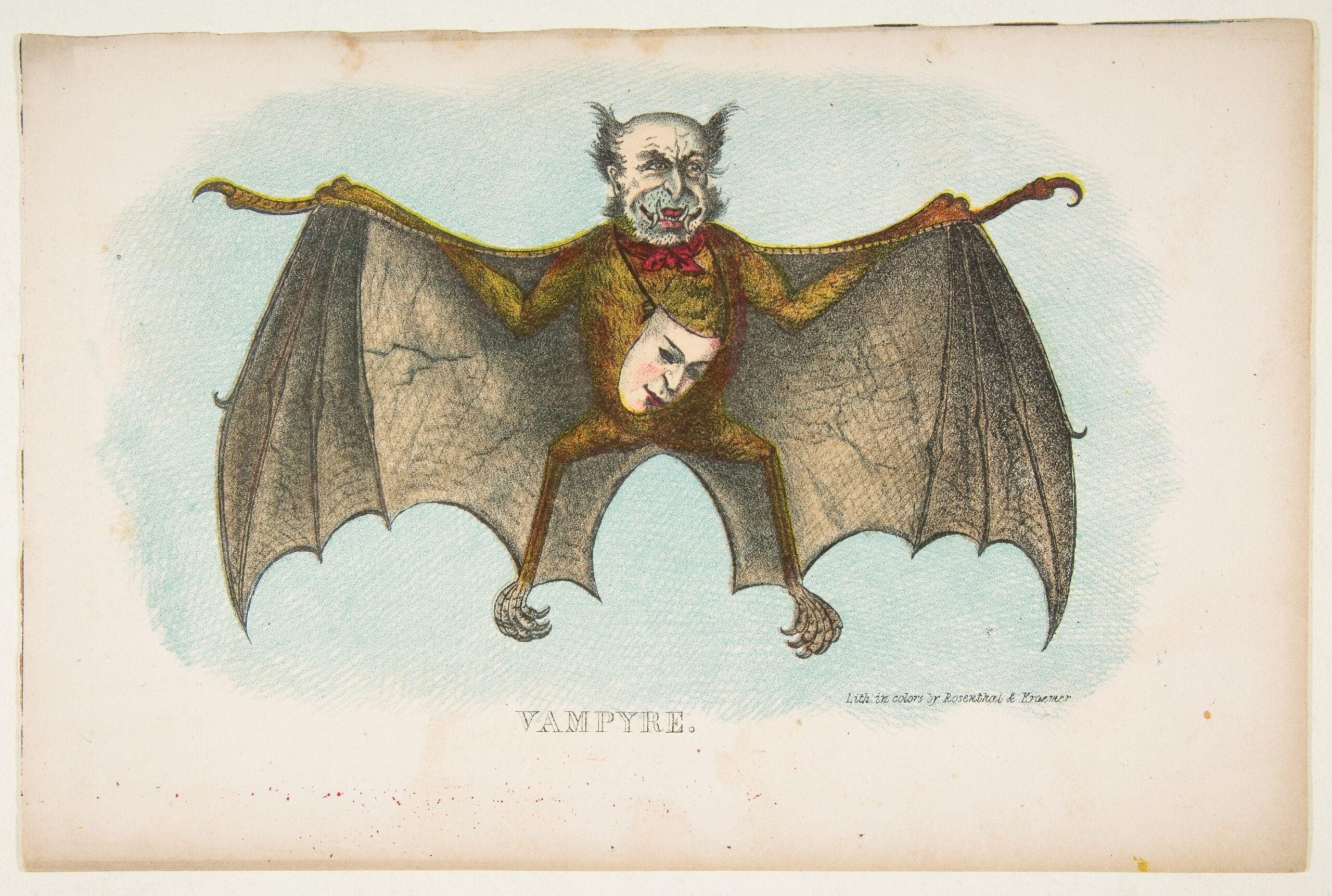
Discover how a ghost story contest during the summer of 1816 gave birth to Frankenstein and The Vampyre, two literary masterpieces that continue to haunt the humanities. This blog post explores the fateful gathering at Villa Diodati, the gothic themes of life, death, and ambition, and the enduring relevance of these stories in our quest…
-
Discover the evolution of JSTOR’s Text Analyzer, a groundbreaking tool retired in 2024, and explore how new innovations like Constellate and JSTOR’s interactive research tool continue to support researchers with advanced technologies and AI-powered solutions.
-
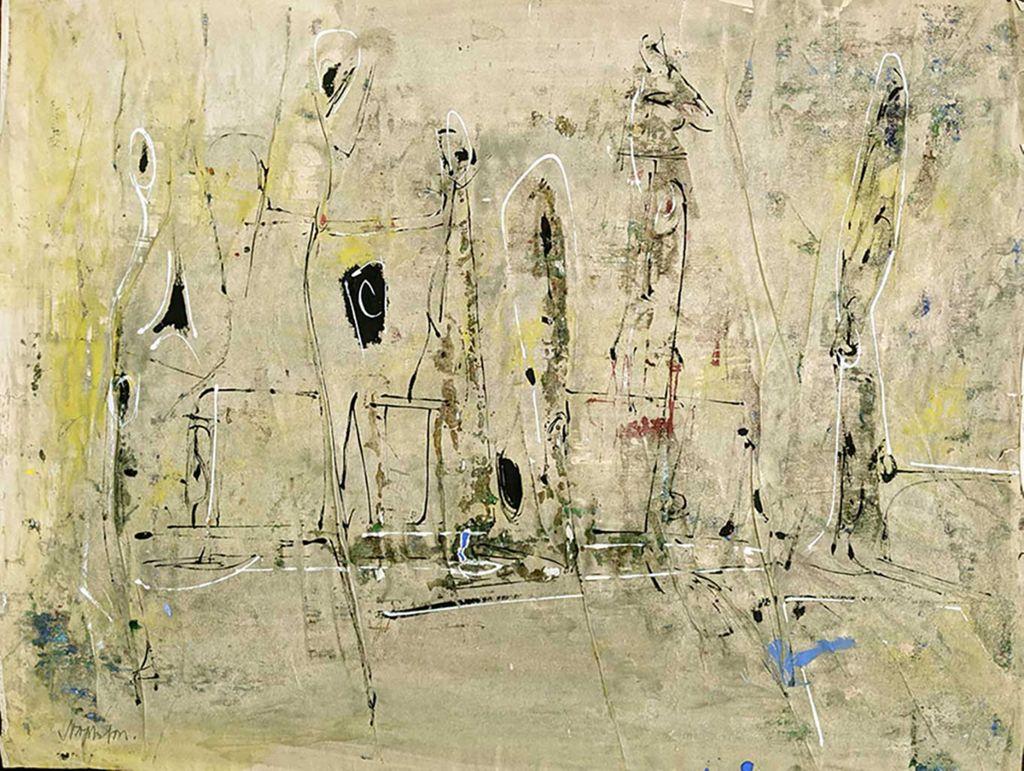
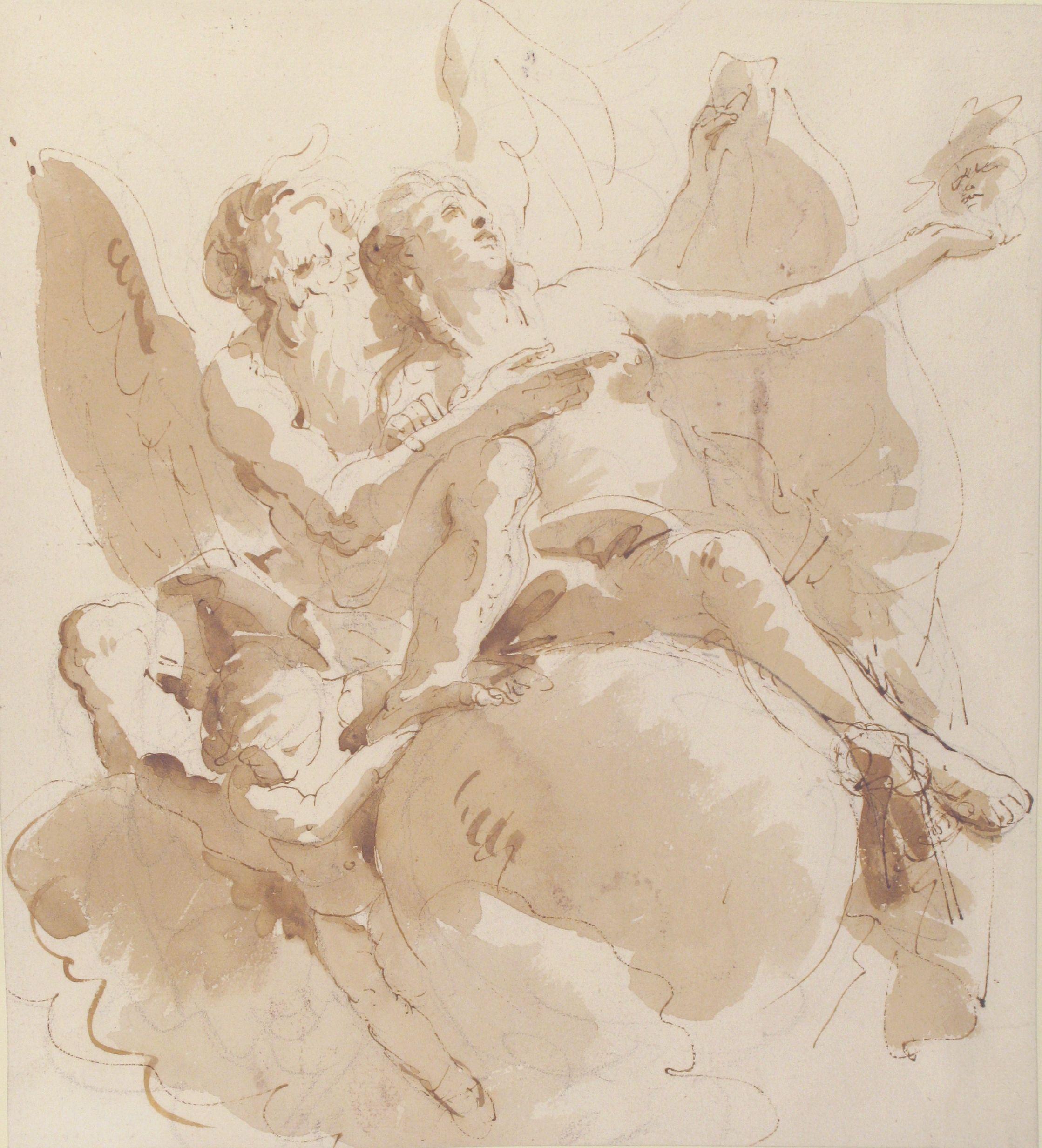
Explore the newly expanded Joseph F. Stapleton Drawing Collection from Artstor on JSTOR, now featuring 345 additional images. With nearly 650 images available, this collection offers a rich resource for research and study.
-
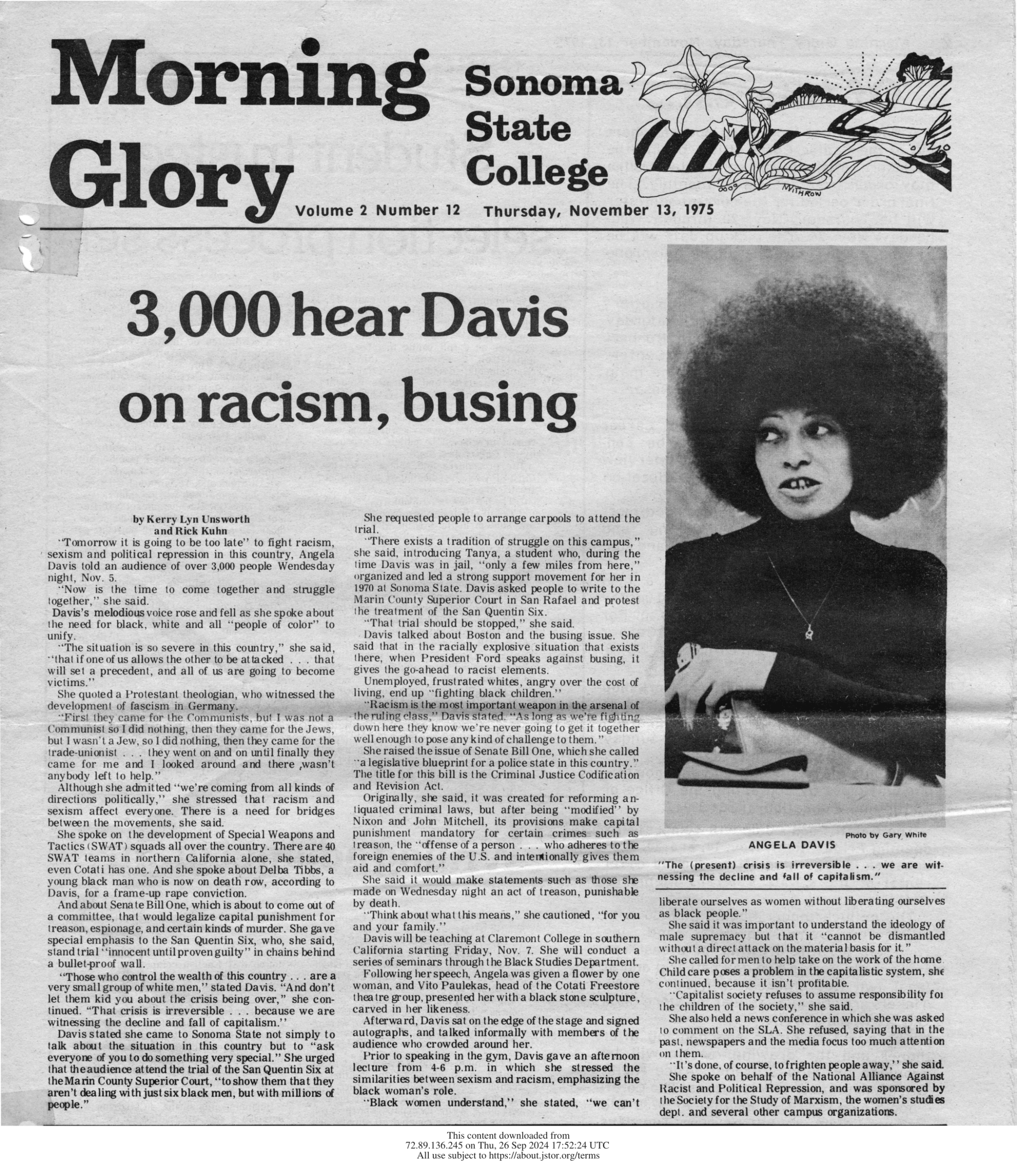
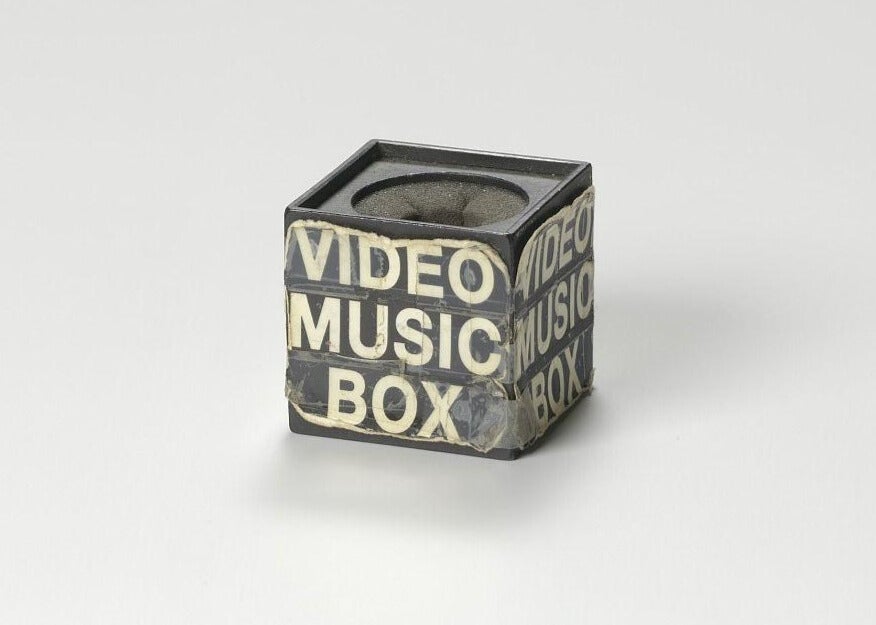
Discover JSTOR’s latest resources, including radical newspapers, historical multimedia, and new video content. Enhance your research with diverse entries from Reveal Digital, Artstor on JSTOR, and shared collections.
-
Explore the vital role of the humanities in navigating a polarized, post-truth world. Learn how critical thinking and assessing diverse narratives enhance accuracy and understanding.
-
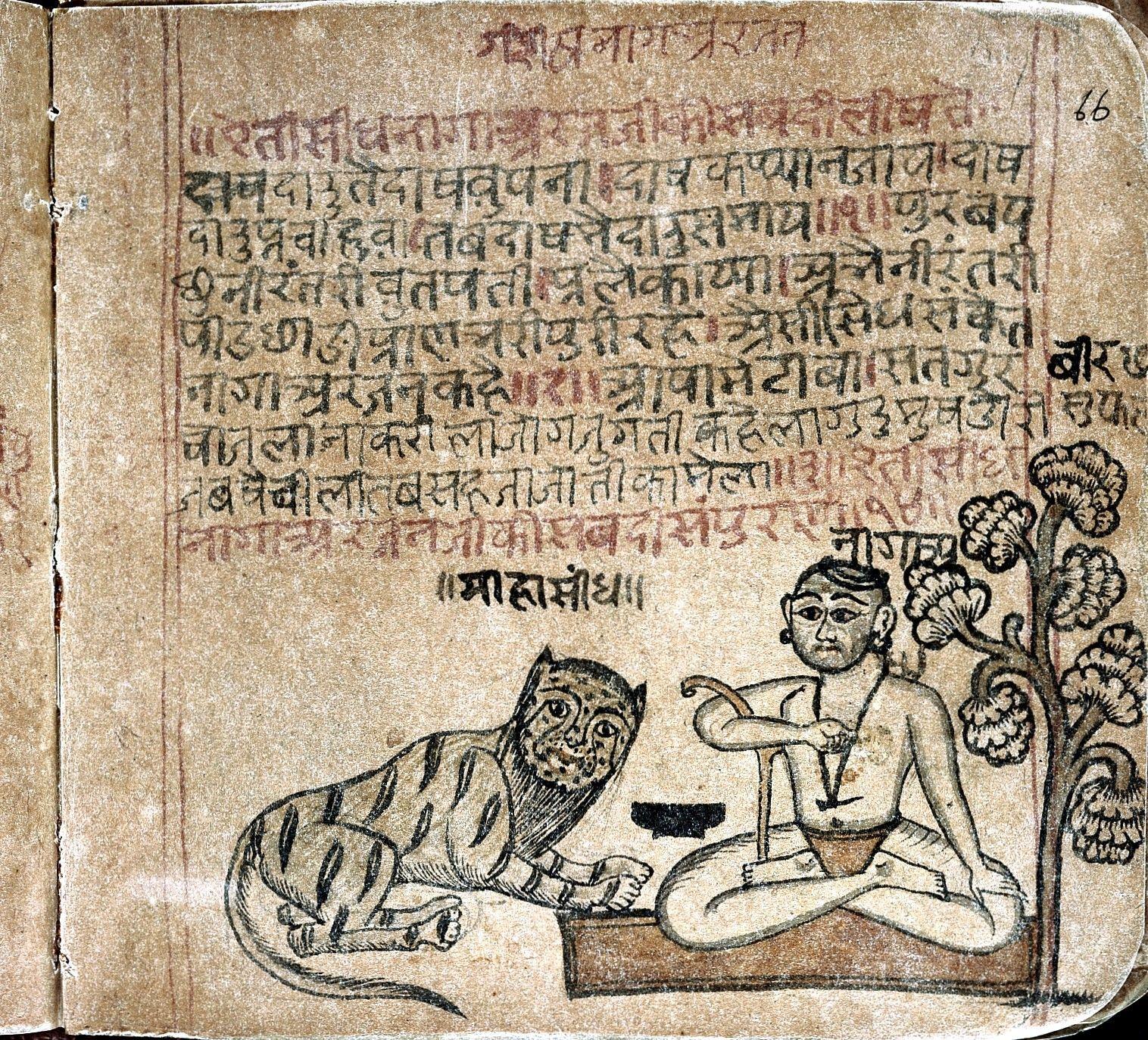
Discover how educators across various disciplines are creatively using Artstor on JSTOR to enrich their teaching. From ESL to Dance studies, explore 15 inspiring ways high-quality images and media are being integrated into lessons, helping students engage with visual resources in new and innovative ways.
-
The recent removal of news archives like MTV News raises concerns about preserving valuable digital content. Media companies must plan for digital preservation to ensure access to historically significant materials. Portico outlines key steps, including secure storage, regular backups, and engaging experts to safeguard content. A new Portico pilot project is exploring long-term preservation of…
-
Discover how JSTOR Daily brings scholarly research to a wider audience with open-access posts, linking academic content for context and insight into current events. Explore educational resources for students and instructors, offering models for research and writing techniques.








Sign up for updates
Never miss a thing. Get updates from JSTOR delivered straight to your inbox.
By signing up you agree to our Privacy Policy. You may unsubscribe at any time by clicking on the provided link on any marketing message.
"*" indicates required fields