The JSTOR Digital Stewardship Services community is expanding—uniting libraries, archives, and cultural heritage organizations working together to strengthen responsible, mission-aligned digital collections practices. Through AI‑assisted collections processing, integrated digital asset management, long‑term preservation, and sharing their unique materials on JSTOR, Stewardship participants are advancing discovery and broadening access in ways that reflect their values and aspirations.
This month’s Stewardship update features new members of our community, notable collections made available by our participants, and updates from the broader community. If you’re looking to scale your digital collections program—or simply curious to see what peers are doing—we hope these stories provide inspiration.
New to the Stewardship community
We’re excited to welcome new institutions to JSTOR Digital Stewardship Services—each contributing distinctive collections, innovative projects, and unique insights to our growing community. Explore the full participant list.
The University of the South (Sewanee) – Sewanee, TN
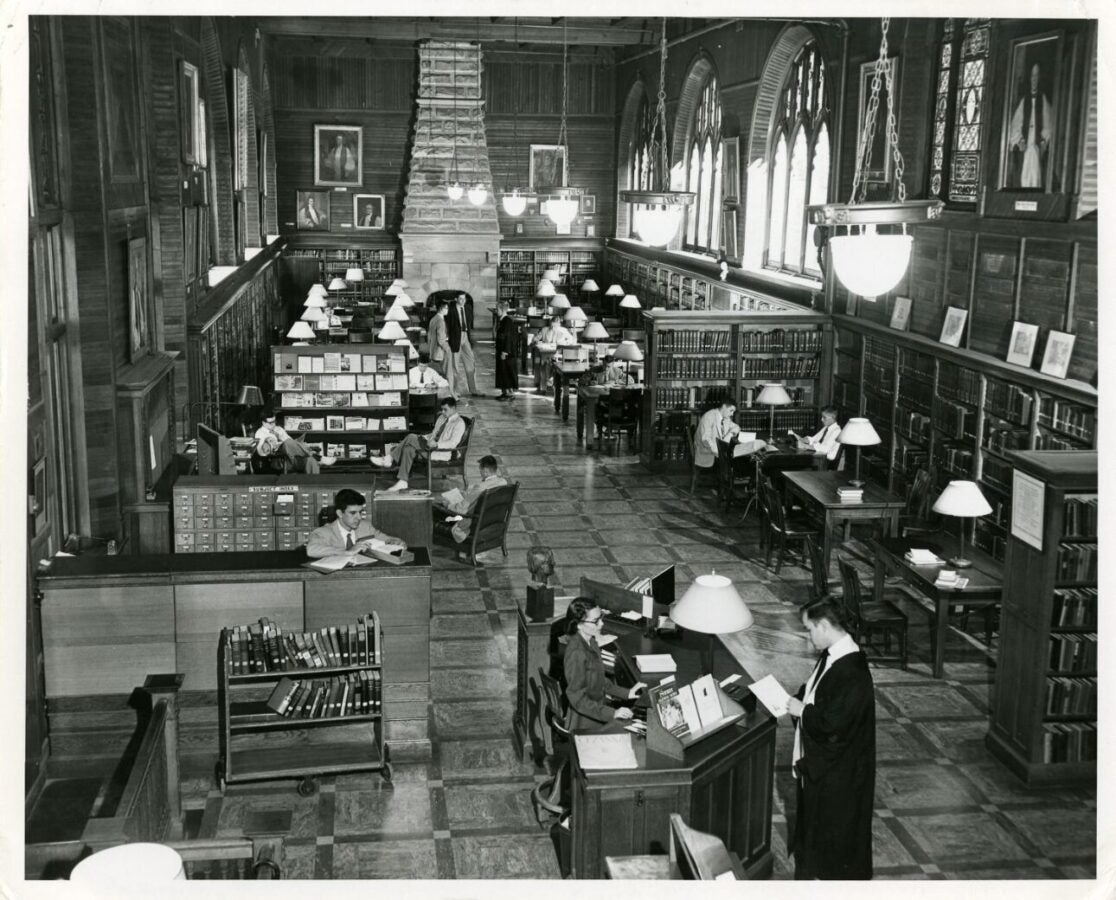
Sewanee is migrating its digital collections from DSpace to JSTOR Stewardship, consolidating digital asset management, preservation via Portico, and discovery on JSTOR in a single environment. As part of the Tier 3 charter cohort, they’ll use JSTOR Seeklight to support AI-assisted processing, building on over 7,000 items already openly shared on JSTOR.
Read the full Sewanee announcement
Colgate University – Hamilton, NY
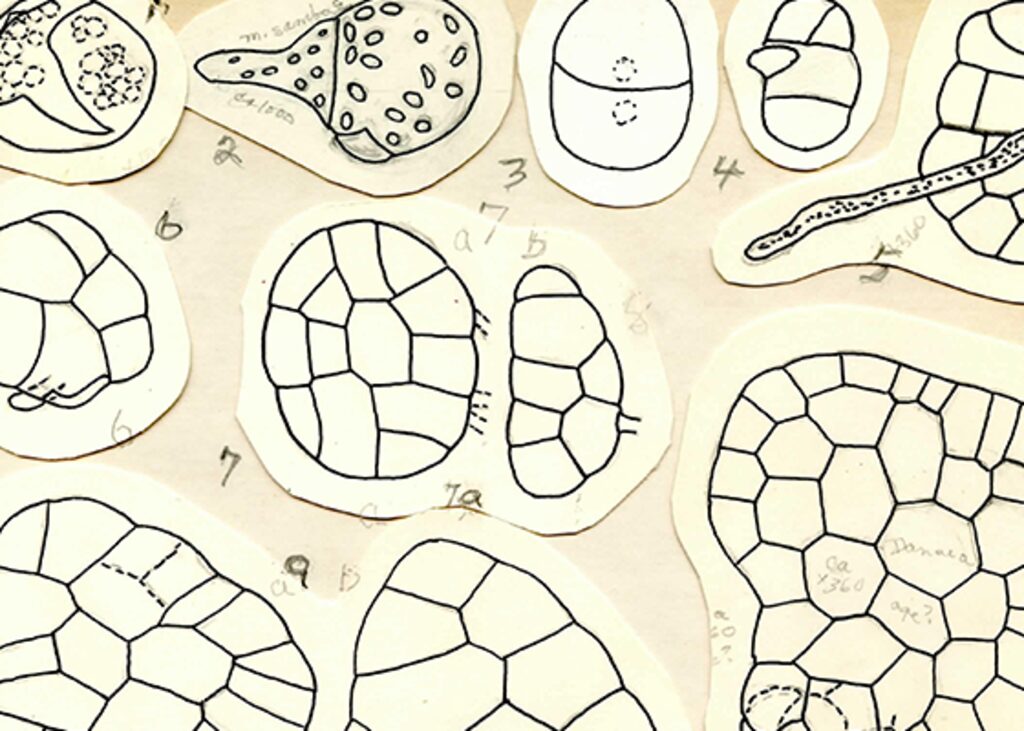
Colgate is expanding its JSTOR partnership by joining the Tier 3 charter program and migrating collections from Islandora to JSTOR Stewardship, where they’ll join over 2,000 items already on JSTOR. They plan to use JSTOR Seeklight to generate draft metadata and transcripts at scale for campus and regional history materials, with librarians and archivists reviewing outputs before publication.
Read the full Colgate announcement
Collection spotlight
As stewards of unique materials, our participants make a diverse array of collections available on the JSTOR platform, discoverable alongside scholarly materials by researchers on-campus, and worldwide.
Browse thousands of open access collections on JSTOR
JSTOR Seeklight-generated, human-reviewed description: Susquehanna University Athletics collection
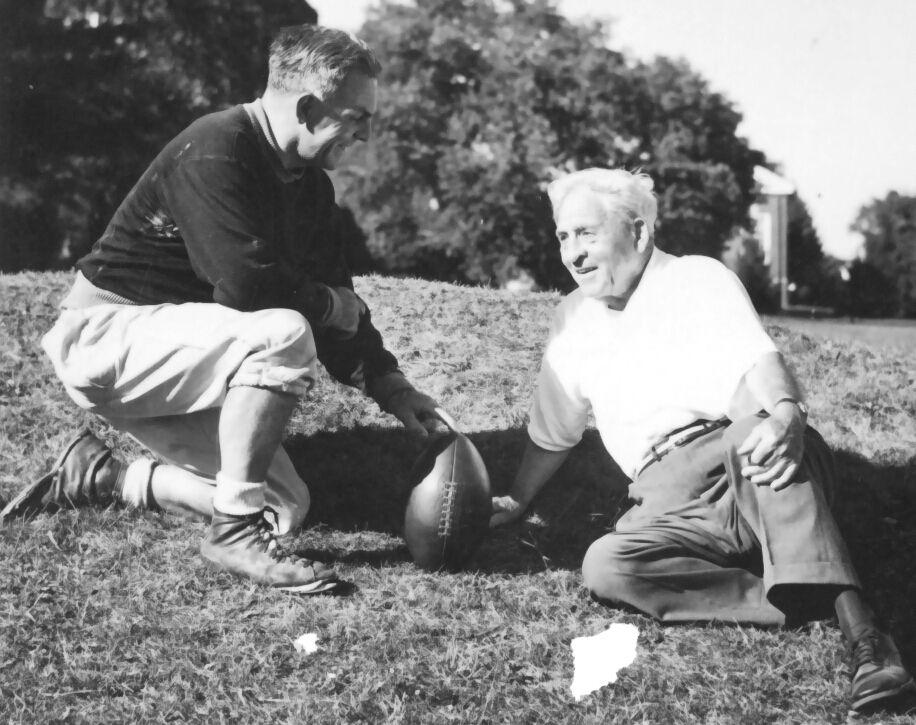
Spanning decades of campus sports history, Susquehanna University’s Athletics collection documents the games, teams, and traditions that have shaped life at the Selinsgrove, Pennsylvania institution. Among the collection’s most notable threads is the Stagg legacy: Amos Alonzo Stagg Jr. served as Susquehanna’s head football coach from 1935 to 1954, leading the team to undefeated seasons in both 1940 and 1951—the latter alongside his father, the legendary “Grand Old Man of College Football.” The collection’s 581 photographs, game programs, and team portraits offer a rich visual record of athletic life at Susquehanna across multiple decades.
View the Susquehanna Athletics collection on JSTOR
University of Manchester: Nashriyah – Digital Iranian History
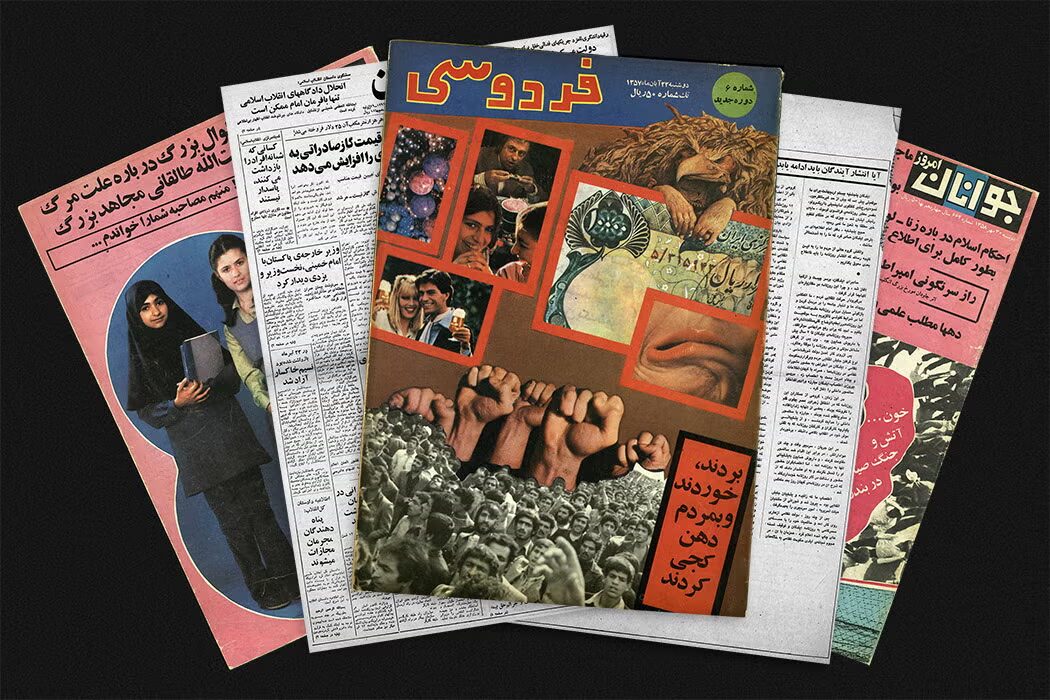
Step into the brief, turbulent “Spring of Freedom” that followed Iran’s 1979 revolution through the University of Manchester’s Nashriyah collection on JSTOR. Hundreds of digitized newspapers—from papers of record like Āyandigān and Kayhān to satirical publications, sensational tabloids, and advertisement-filled illustrated weeklies—capture a society in upheaval, and a free press that flourished and was then systematically silenced within a single year.
Browse the Nashriyah collection on JSTOR
Read the JSTOR Daily feature: “Inside the Newspapers of Iran’s Revolution”
Reveal Digital: Visual Arts and the AIDS Epidemic – An Oral History Project (Archives of American Art, Smithsonian Institution)
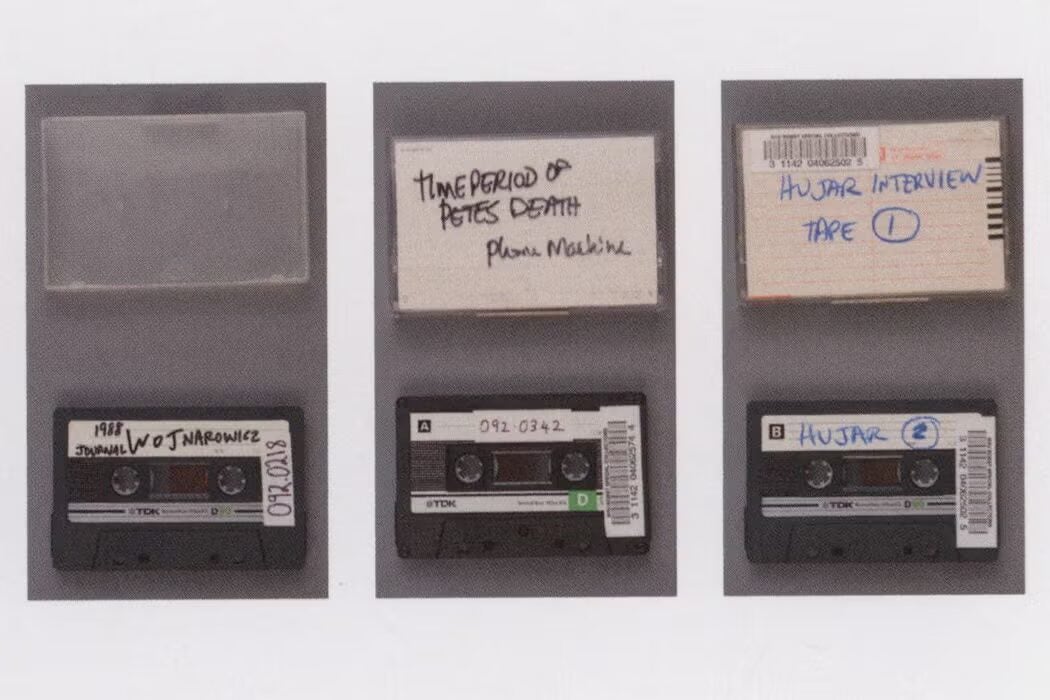
Encounter the voices of artists, activists, and survivors through this open access oral history collection, now available on JSTOR via Reveal Digital. Forty interviews—conducted by the Smithsonian Archives of American Art and spanning personal history, creative practice, and political awakening—trace how the AIDS crisis shaped a generation of artists and the communities around them, from the early years of governmental indifference through the grassroots activism and art-making that defined the era’s response.
Browse “Visual Arts and the AIDS Epidemic – An Oral History Project” on JSTOR
Read the JSTOR Daily feature: “The Oral Histories of the AIDS Crisis”
Contributions and conversations
Through presentations, written pieces, conference panels, and more, the Stewardship community is committed to sharing back what they do and learn. Visit our events page to catch up on past recorded events, register for new ones, and find opportunities to meet up at an upcoming conference.
Envisioning AI’s Role in Libraries: Perspectives on Innovation, Equity, and Responsibility Across Career Stages
In College & Research Libraries News—the official newsmagazine and publication of record of the Association of College & Research Libraries (ACRL)—charter participant Russell Michalak (Director of Library and Archives at Goldey-Beacom College) and two peer librarians consider how AI is reshaping discovery, access, and professional practice in libraries. Drawing in part on his experience with JSTOR Seeklight, Russell highlights how AI-assisted metadata enrichment and student-led digital archiving can surface hidden collections, support institutional memory, and prepare students for emerging professional expectations—when guided by equitable access, ethical policy, and sustained human judgment.
JSTOR Digital Stewardship Services training: Accessibility with JSTOR Seeklight
Interested in better supporting accessibility for your digital collections? Whether you’re already using JSTOR Seeklight, curious about what it can do, or just want to learn more about what it means to meet WCAG standards, this recent training is worth the watch. Get an overview of accessibility requirements, see how Seeklight’s text alternatives and transcripts support compliance, and pick up best practices that apply whether you’re publishing on JSTOR or elsewhere. Tip: Timestamped sections make it easy to jump straight to what’s most relevant for your work.
Want to learn more about becoming a part of JSTOR Digital Stewardship Services? Get in touch with our team!