
Reveal Digital
-
Curricular materials, guides, and readings designed to help educators and students teach with the American Prison Newspapers collection, centering incarcerated voices and critical inquiry.
-
Explore millions of primary sources on JSTOR—documents, images, artifacts, and data from libraries, archives, and museums worldwide. Discover materials that enrich research and teaching.
-
Page
As a nonprofit, JSTOR is committed to equitable, sustainable access to knowledge. We partner with libraries, publishers, and institutions to make scholarship affordable, preserved, and accessible to all.
-
Explore JSTOR’s resources, tools, and services for librarians. Strengthen collections, support faculty and students, and steward your institution’s distinctive materials with confidence.
-
Explore JSTOR’s full suite of products and services—from mission-driven digital stewardship and an innovative research platform to flexible content solutions—that support scholarship, teaching, and discovery.
-
Discover the story behind Reveal Digital, an open access primary source collection on JSTOR highlighting underrepresented 20th-century voices of dissent. Learn how library crowdfunding, collaboration, and preservation have built a resource of over 70,000 items.
-
We hope this blog post finds you with a spare moment to explore something new! June’s releases on JSTOR brought together book-length research, community newspapers, […]
-
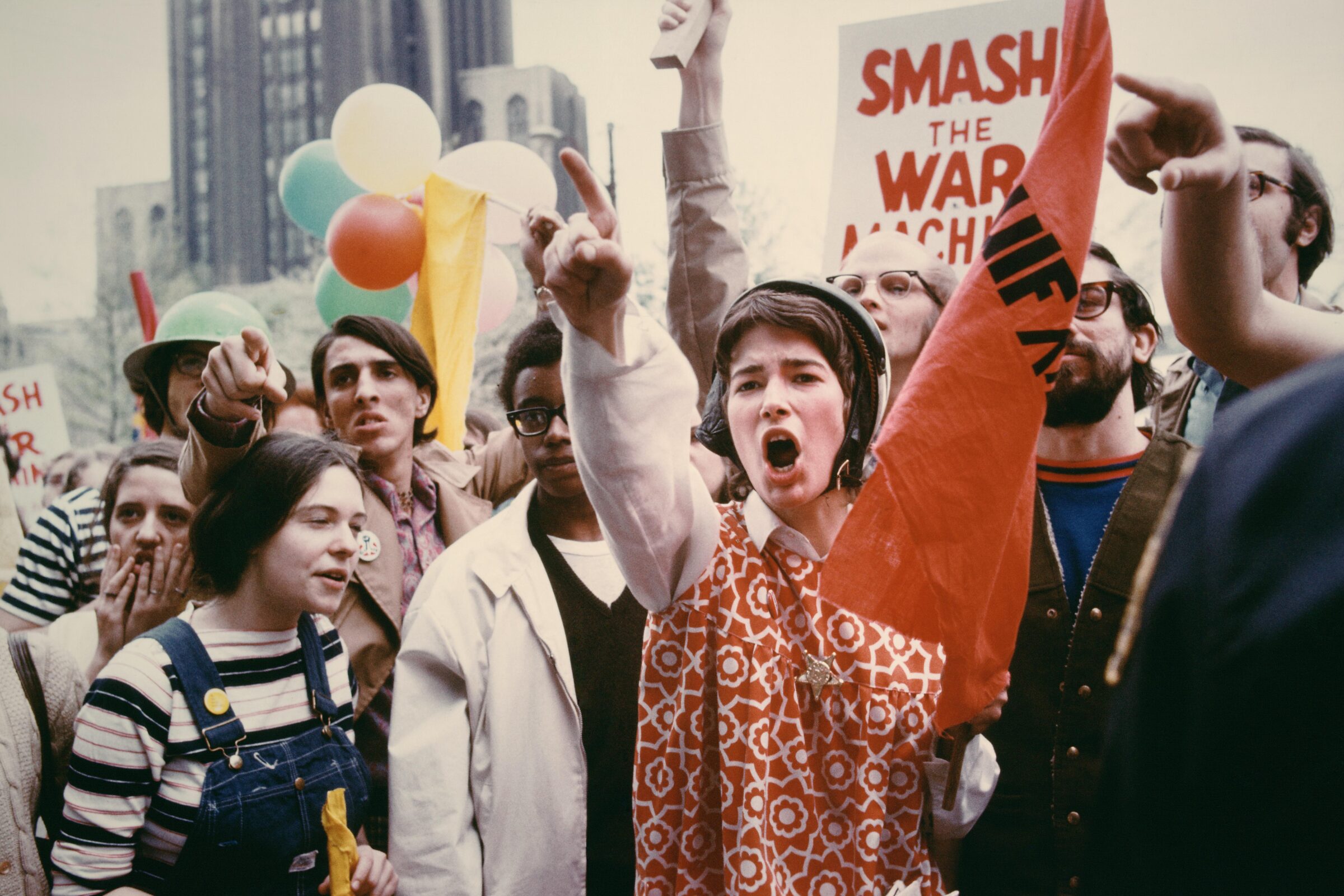
May’s additions to JSTOR opened new ways to engage with visual culture, political history, and everyday life.
-
What would your classroom look like if students engaged with knowledge as detectives rather than passive readers? The answers lie in digital primary sources. And education depends on how we use them.
-
An archivist explores how AI can help surface hidden histories, improve metadata, and support digital stewardship while emphasizing the need for human expertise in shaping archival narratives.
-
Let’s take a time machine—right at your fingertips—with digital primary sources. Developing digital literacy and primary source analysis skills is essential in higher education, equipping learners not only for academia but also for careers in research, journalism, policy, and beyond.
-
Primary sources offer direct, unfiltered access to the voices, images, and documents that shape our understanding of the world and its history. And yet, despite their value, primary source literacy remains an ongoing challenge in higher education.
-
February brought new archival collections and multimedia highlights to JSTOR. In honor of Black History Month, we also highlighted stories of activism, resilience, and creative expression.
-
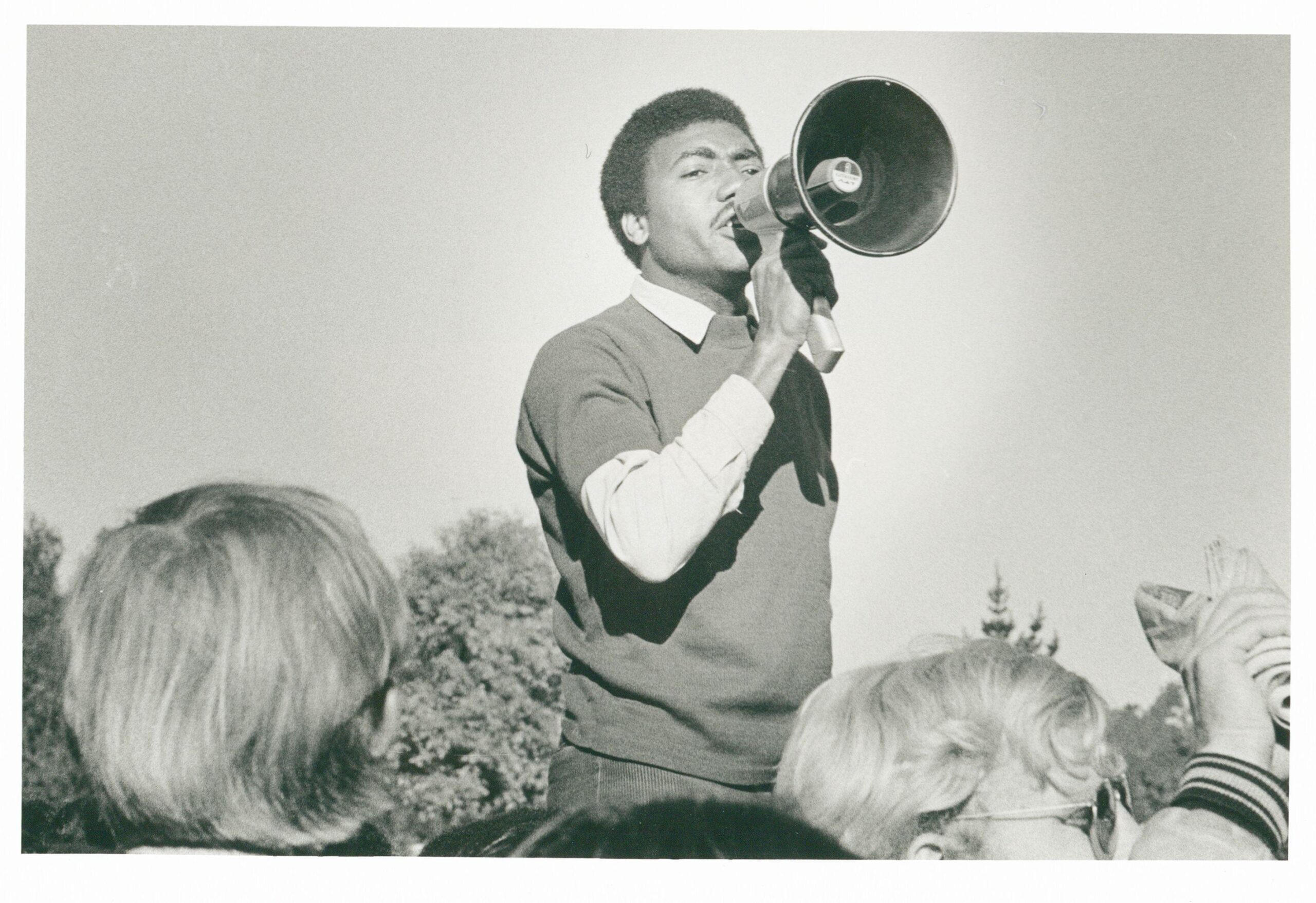
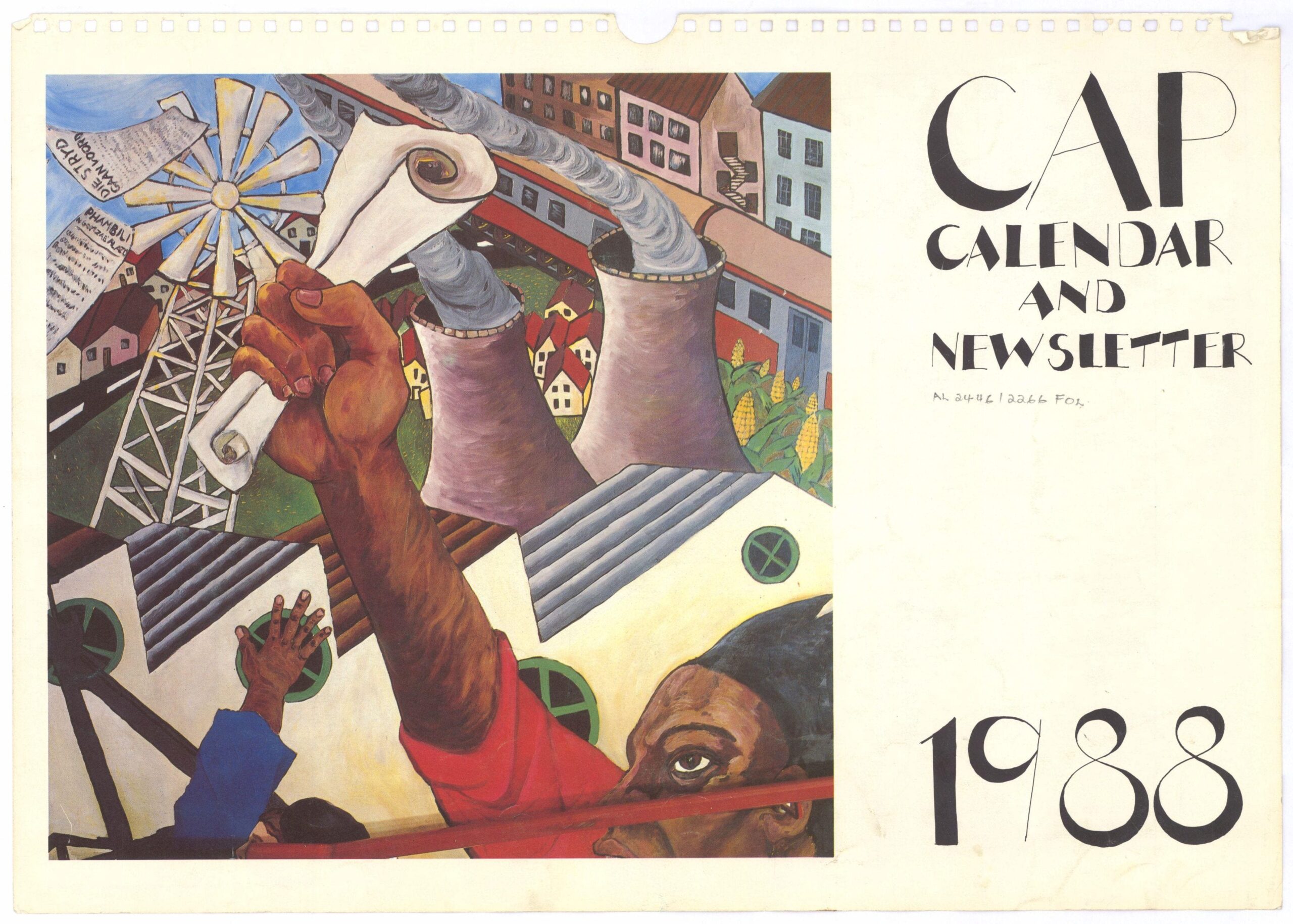
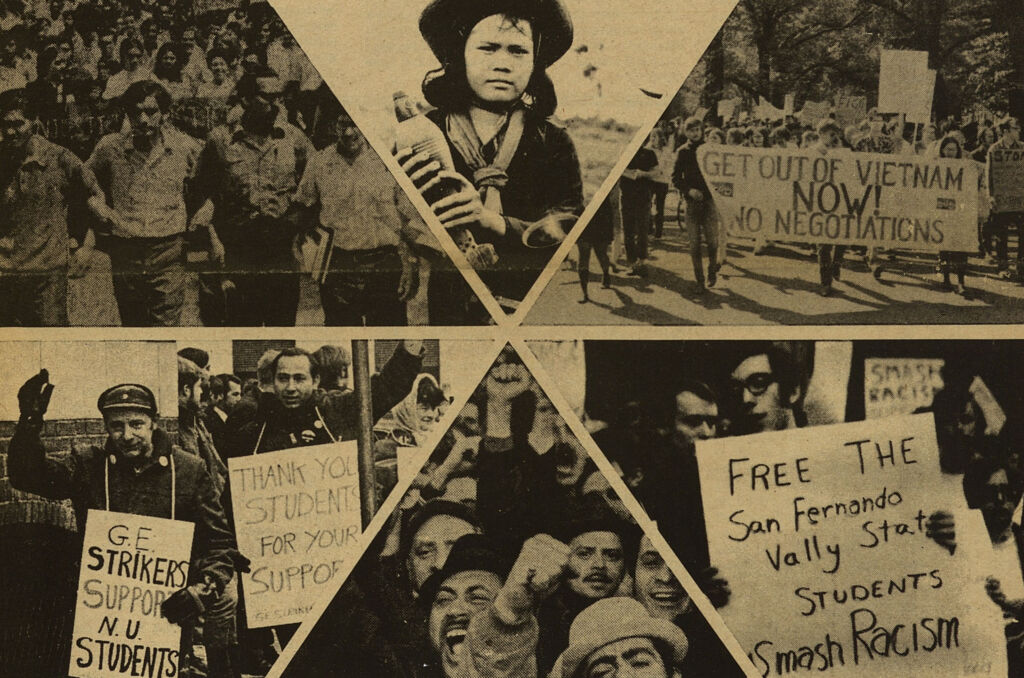
January’s highlights on JSTOR showcase the power of archives to preserve stories, from student activism and South African art to Montana’s rich history and groundbreaking scientific films.
-
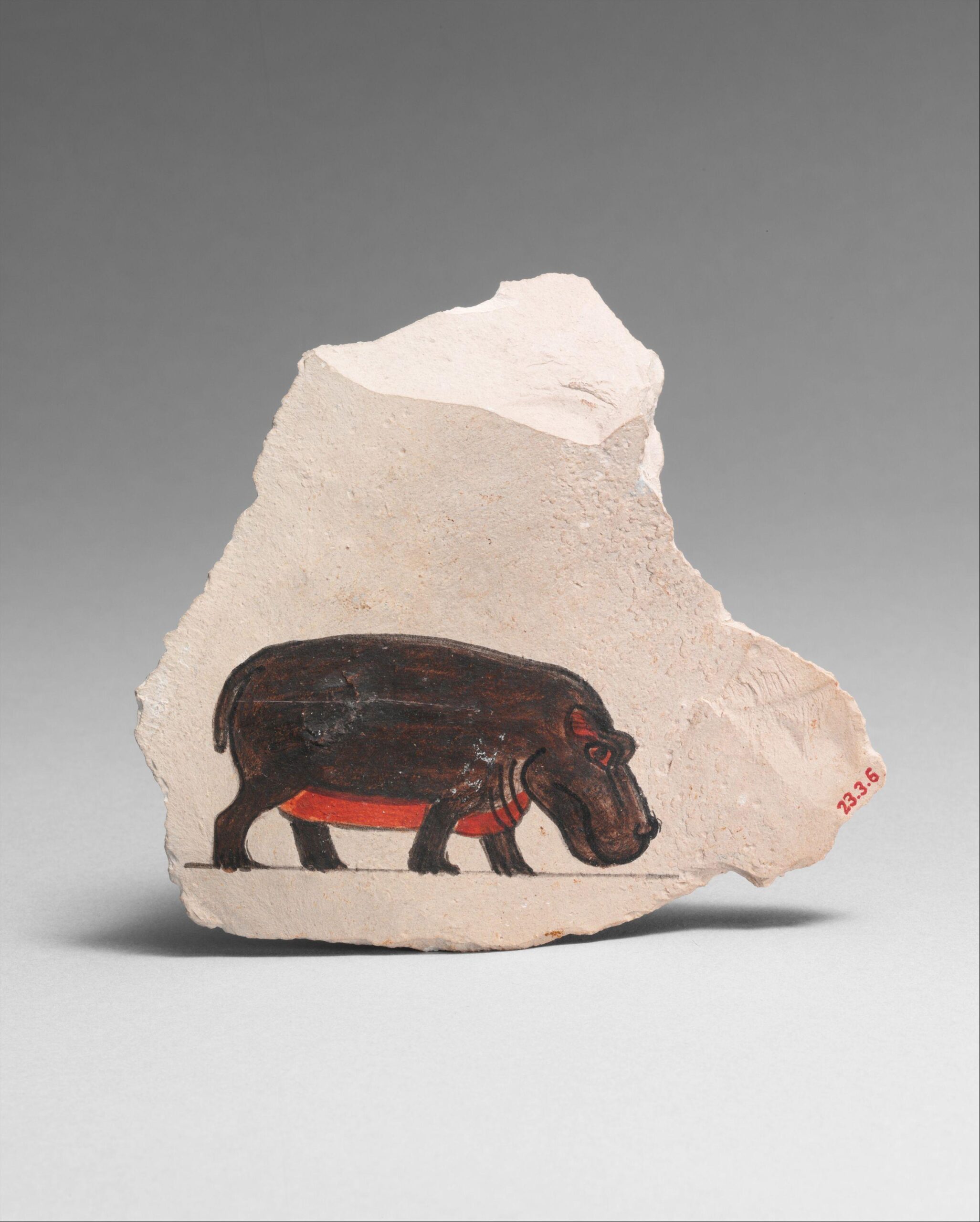
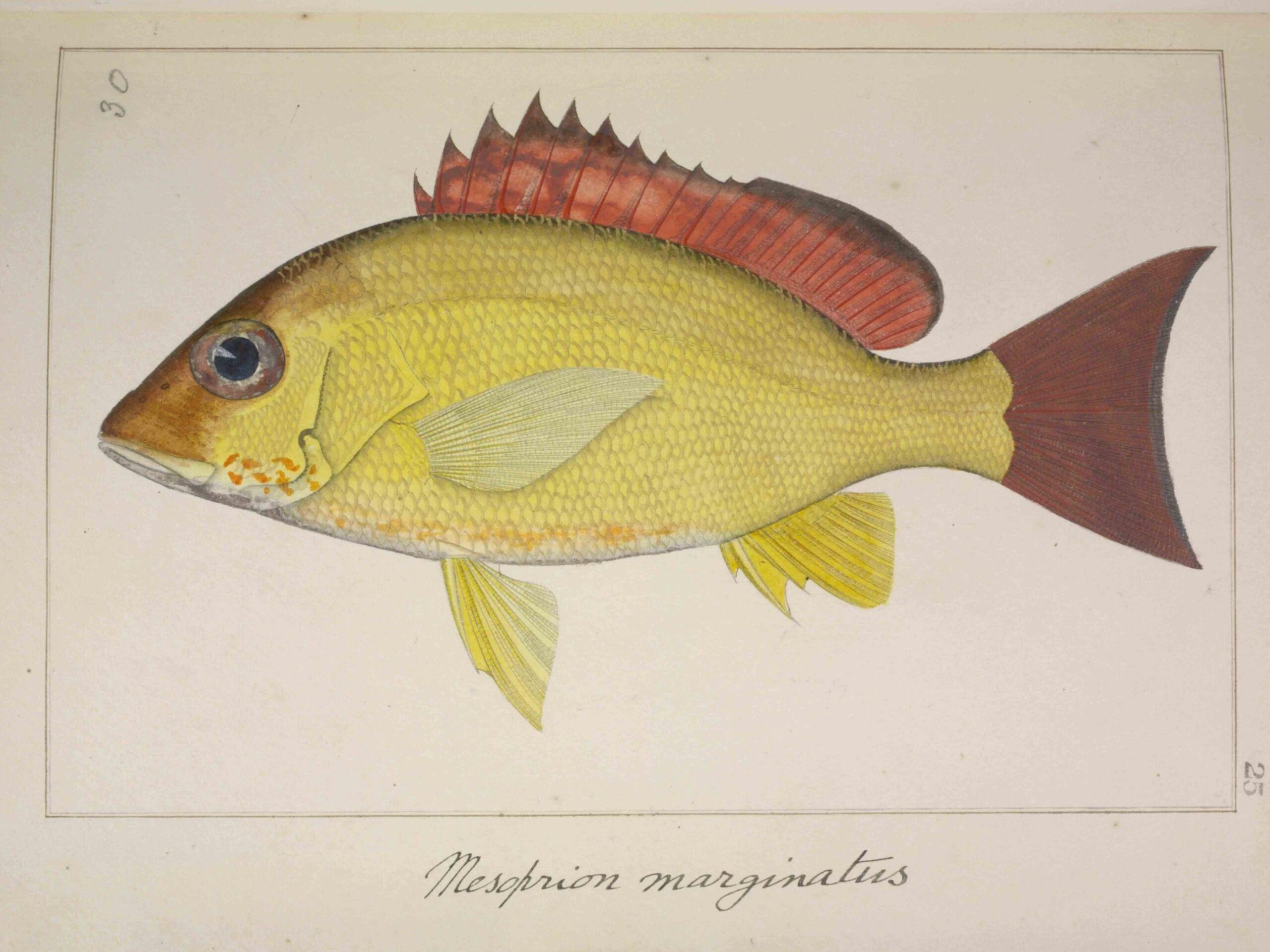
Accessible knowledge opens the door to education. In 2025, explore JSTOR’s open access collections, featuring art, photographs, and cultural archives that empower visual literacy and interdisciplinary discovery.
-
As the final month of 2024 comes to a close, we’re reflecting on the diverse and impactful collections and multimedia added to JSTOR this December.
-
November brought new opportunities to explore underrepresented voices, rich cultural artifacts, and engaging multimedia content on JSTOR. This month’s additions provide researchers, educators, and students with unique insights into history, art, and human ingenuity.
-
This month on JSTOR, we continued expanding access to invaluable content, adding multimedia and archival collections that amplify voices from the past. Discover our picks from the month.
-
Discover JSTOR’s latest resources, including radical newspapers, historical multimedia, and new video content. Enhance your research with diverse entries from Reveal Digital, Artstor on JSTOR, and shared collections.
-
Discover how JSTOR supports teaching and learning with classroom-ready resources, diverse scholarly content, and digital tools that help you save time and deepen student engagement.
-
Amplifying marginalized voices through crowdfunding and crowdsourcing in digital archives and libraries. Learn how Reveal Digital’s initiative uncovers underrepresented histories with open access collections hosted on JSTOR.
-
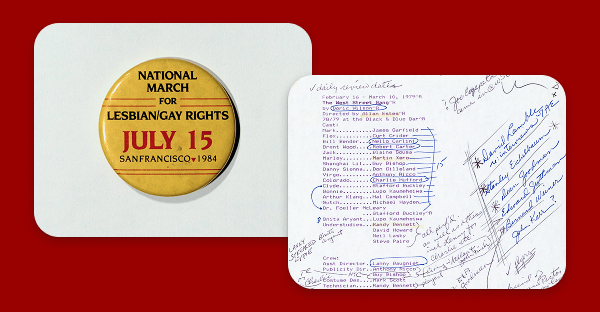
Discover a trove of historical insights gathered this July and August on JSTOR. Explore collections spanning from Civil Rights activism to artistic resilience during the AIDS epidemic, offering unique perspectives on history, culture, and knowledge.
-
ITHAKA innovates with Project Odyssey using generative AI to help libraries process digital collections efficiently by automating metadata creation, addressing bottlenecks, and reducing backlog.
-
Portico preserves underrepresented digital content to safeguard diverse narratives and cultural heritage for future generations. Join us in maintaining a richer historical record.
-
Reveal Digital develops open access primary source collections from underrepresented 20th-century voices of dissent, crowdfunded by libraries. In a session during ER&L’s annual conference, Peggy Glahn, Associate Director of Reveal Digital, discussed the six collections that are currently accessible, and talked about the shift they represent in Open Educational Resources (OERs).
-
The emergence of open access is reshaping the way scholarly information is disseminated and consumed. In this comprehensive exploration, we will delve into what open access is and how JSTOR, our renowned digital library, is playing a crucial role in facilitating open access for academic journals, books, art, and research reports.
-
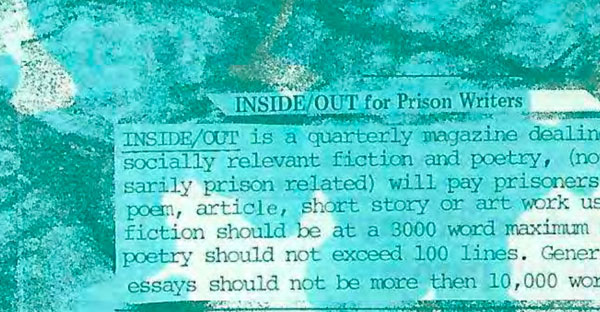
Discover how educators can use the American Prison Newspapers collection in their classrooms.
-
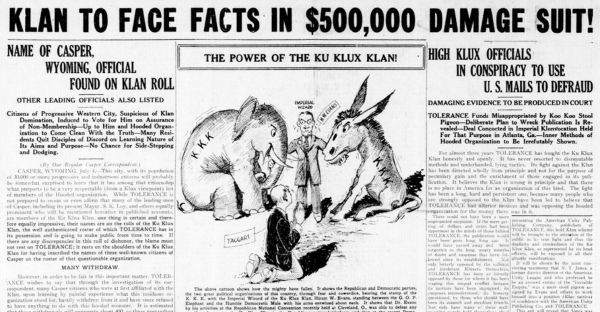
With a focus on the 1920’s, Cornelius invites you into his research and thought processes, helping us explore the importance of contextualization for this sensitive collection and primary sources in general. 1 hour
-
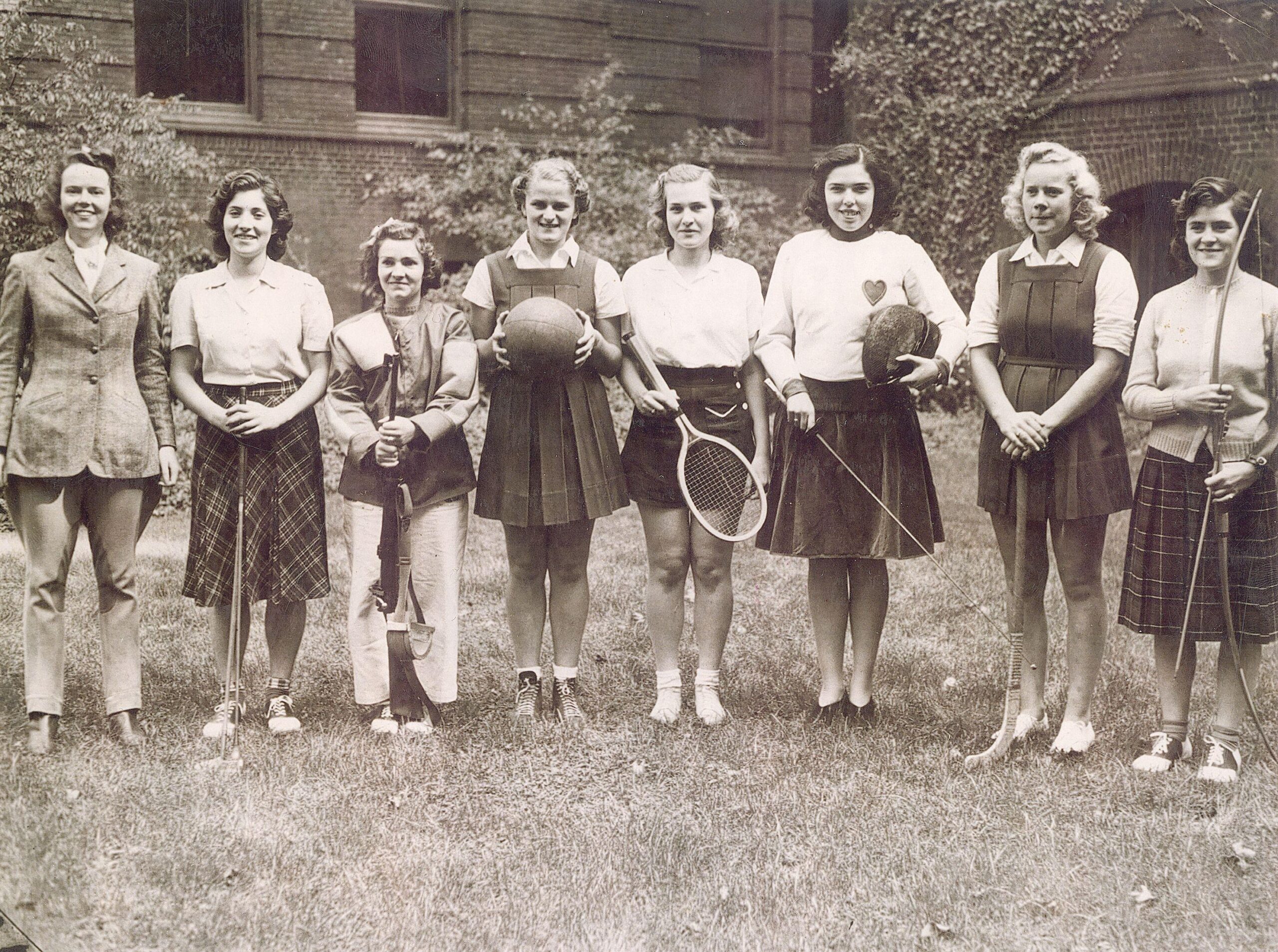
A curated set of open collections provides free access to primary sources highlighting women’s efforts and achievements in public life, labor rights, spirituality, and scientific research, in honor of Women’s History Month.
-
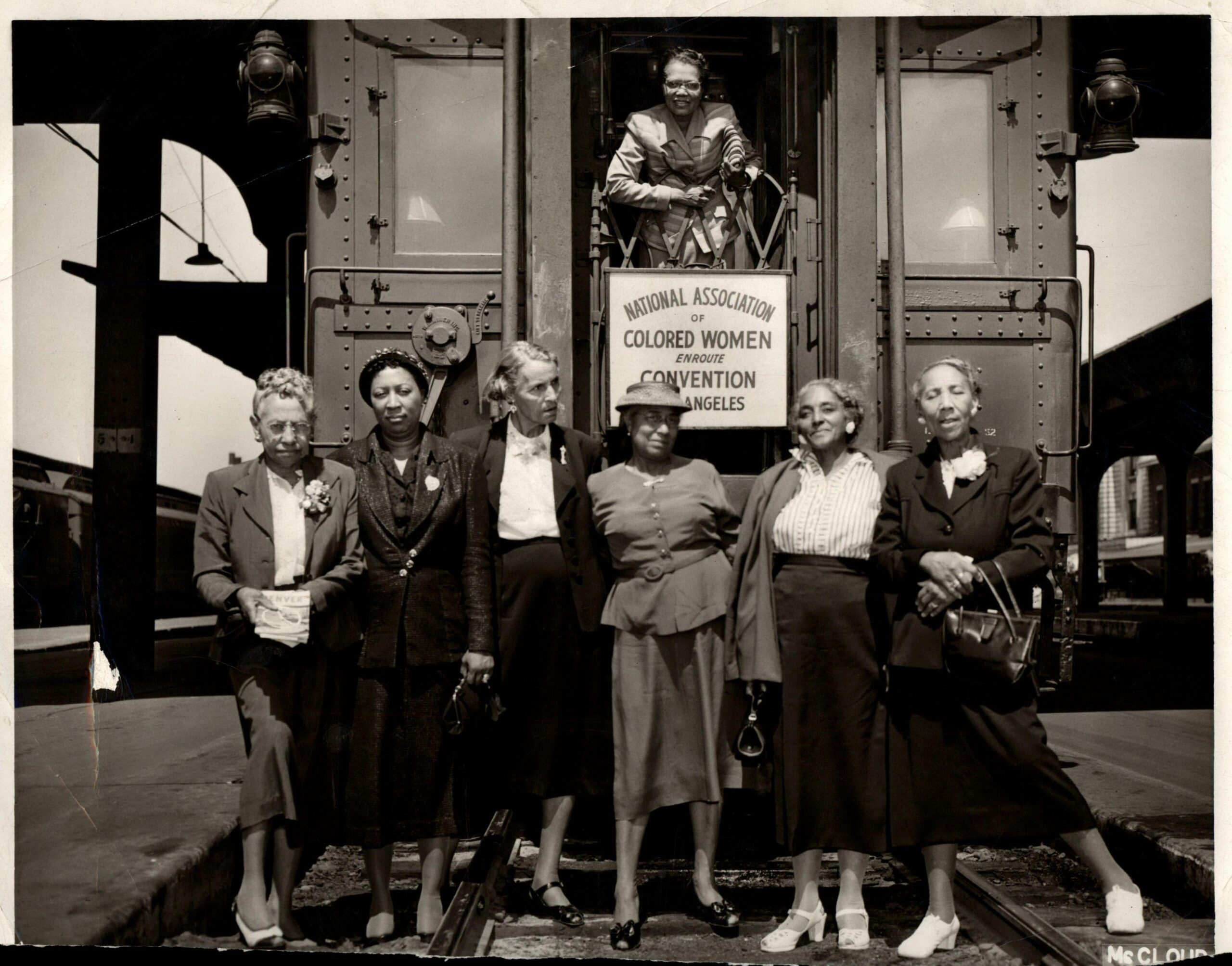
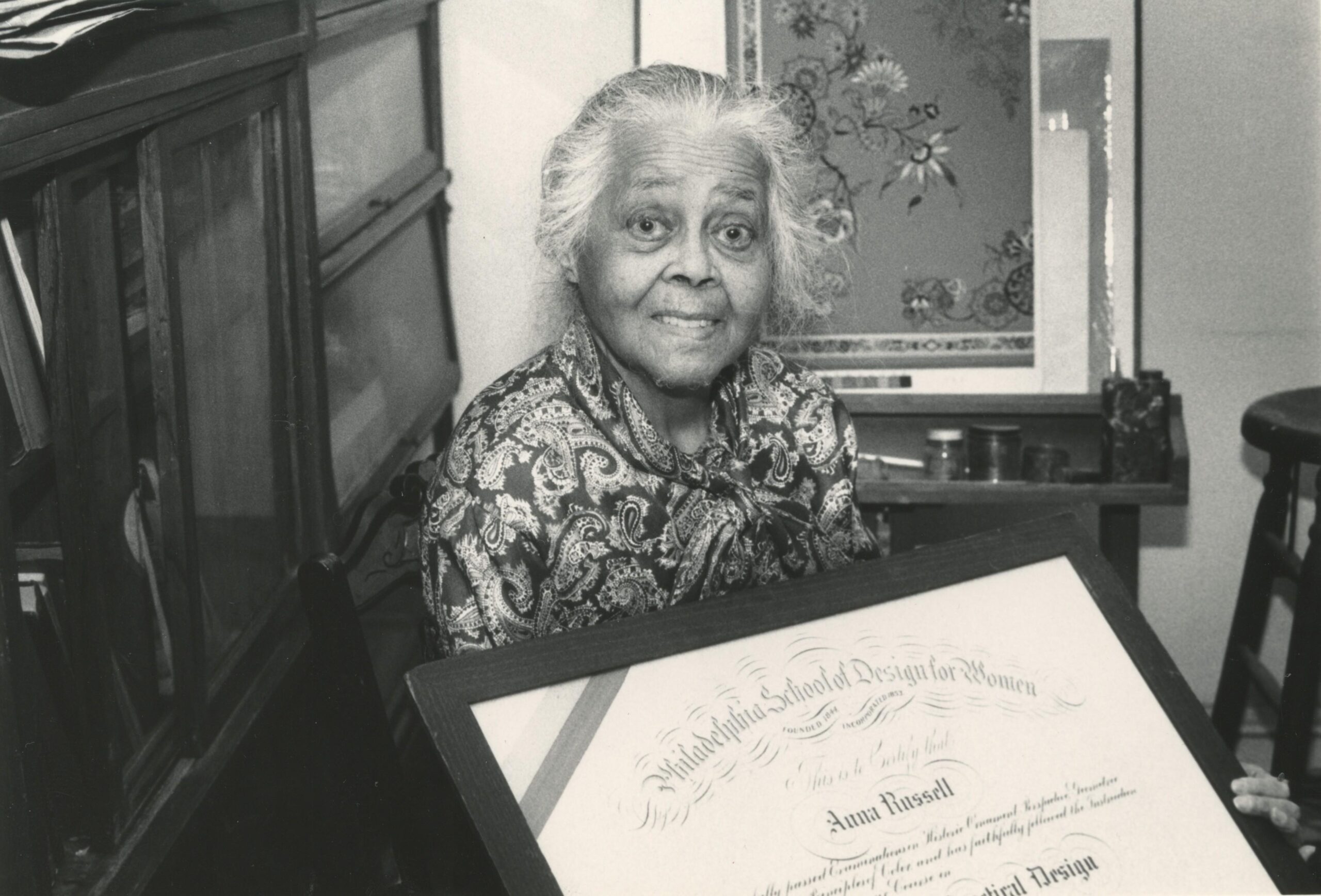
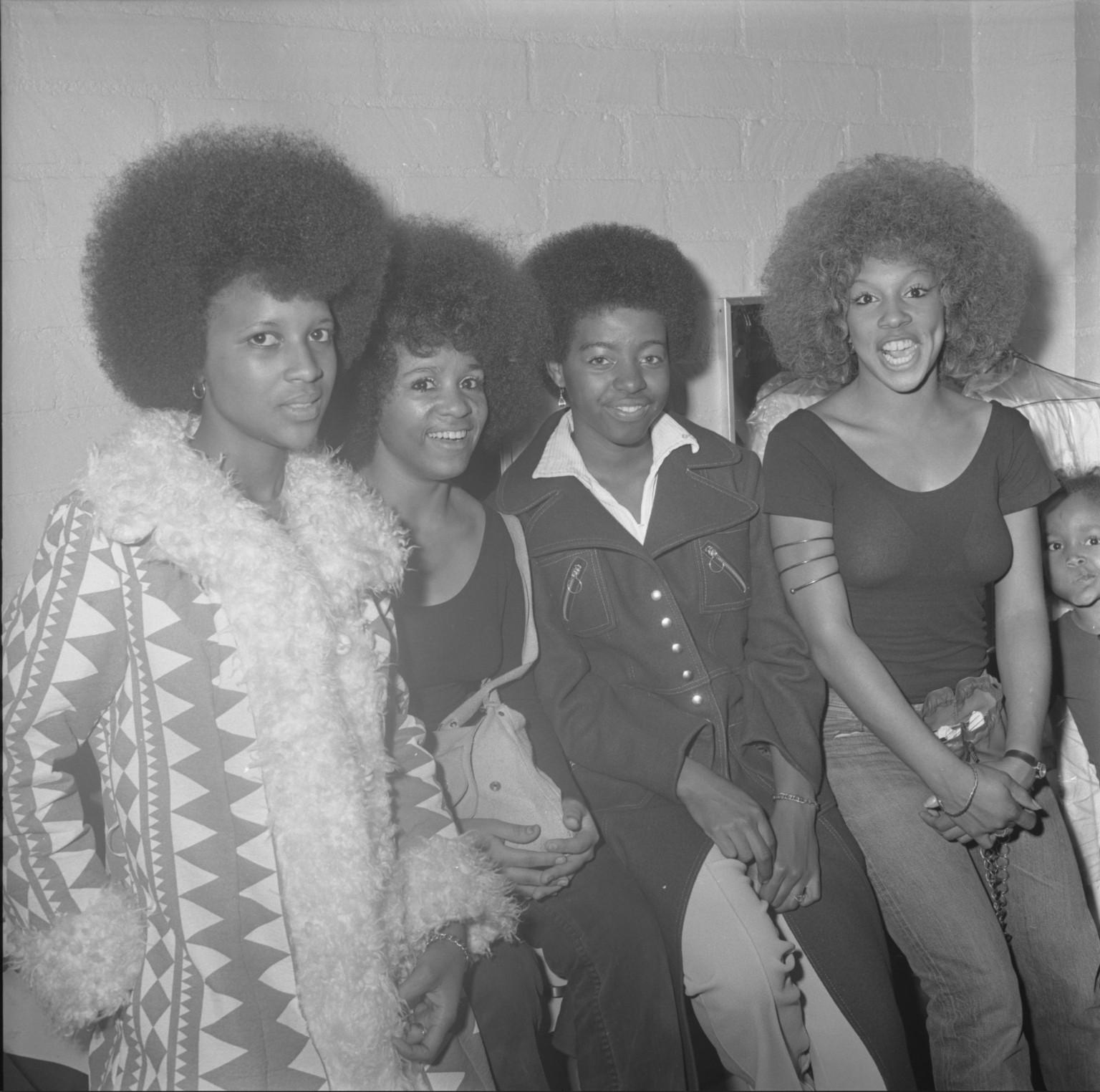
In honor of Black History Month, here are 20 community-contributed open-access collections focused on Black history and voices, including slave narratives, image collections, vital records, papers, and much more.


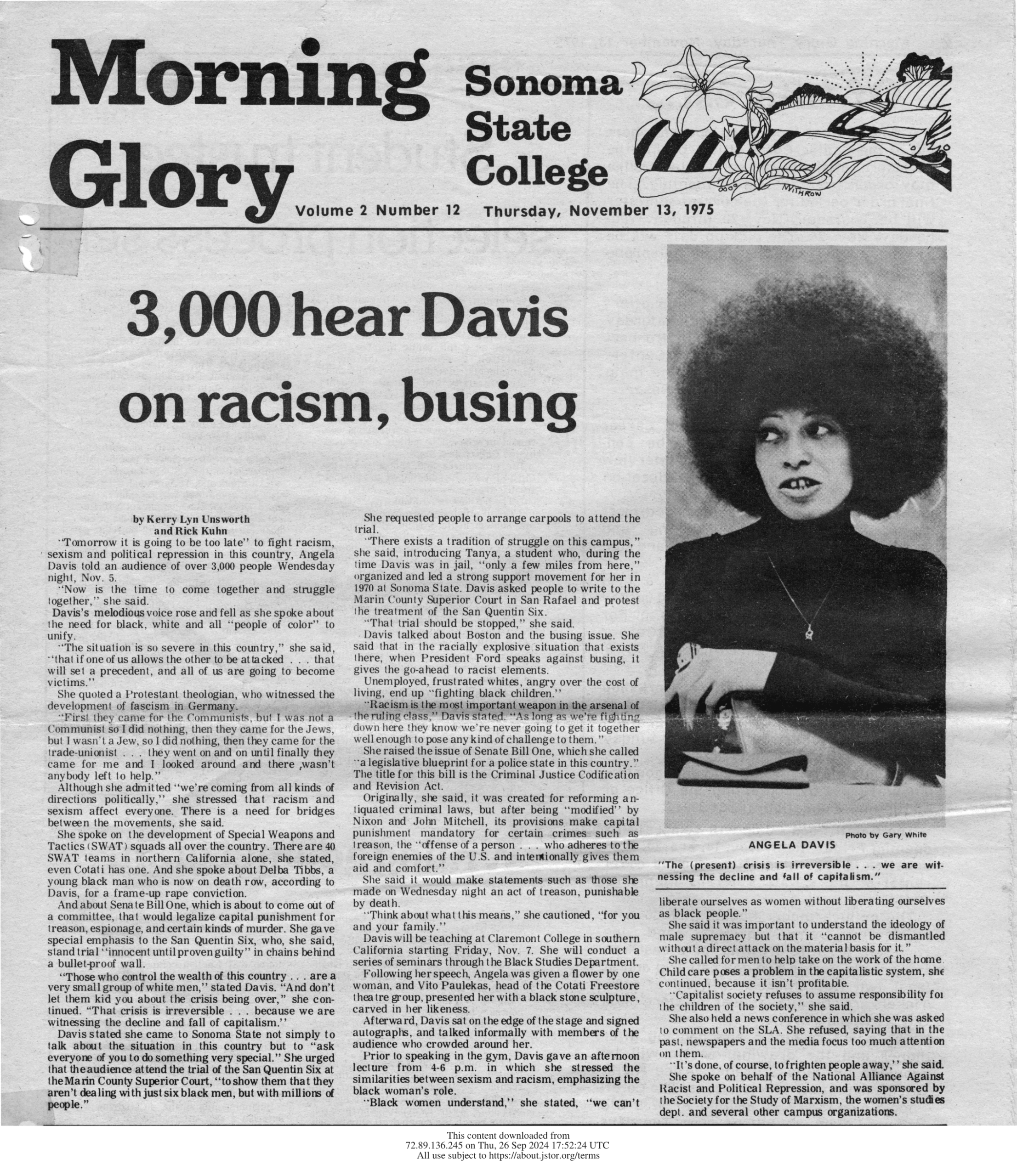
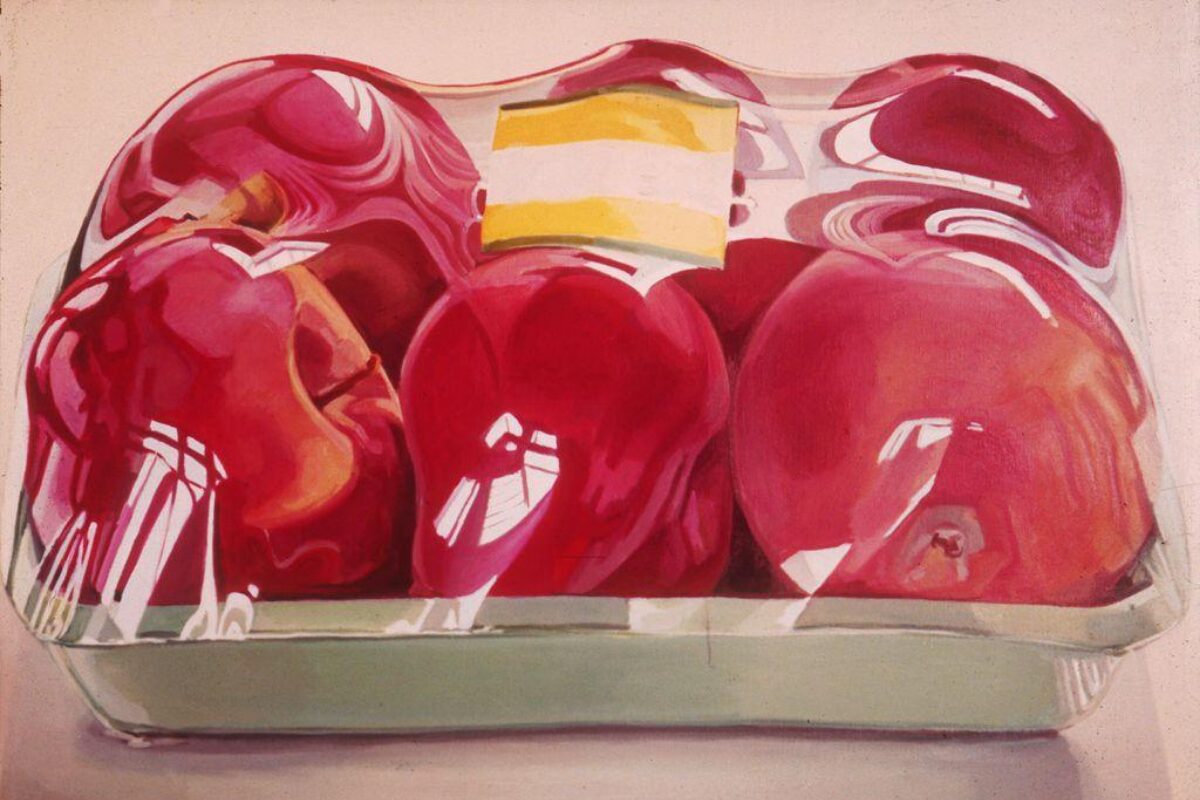


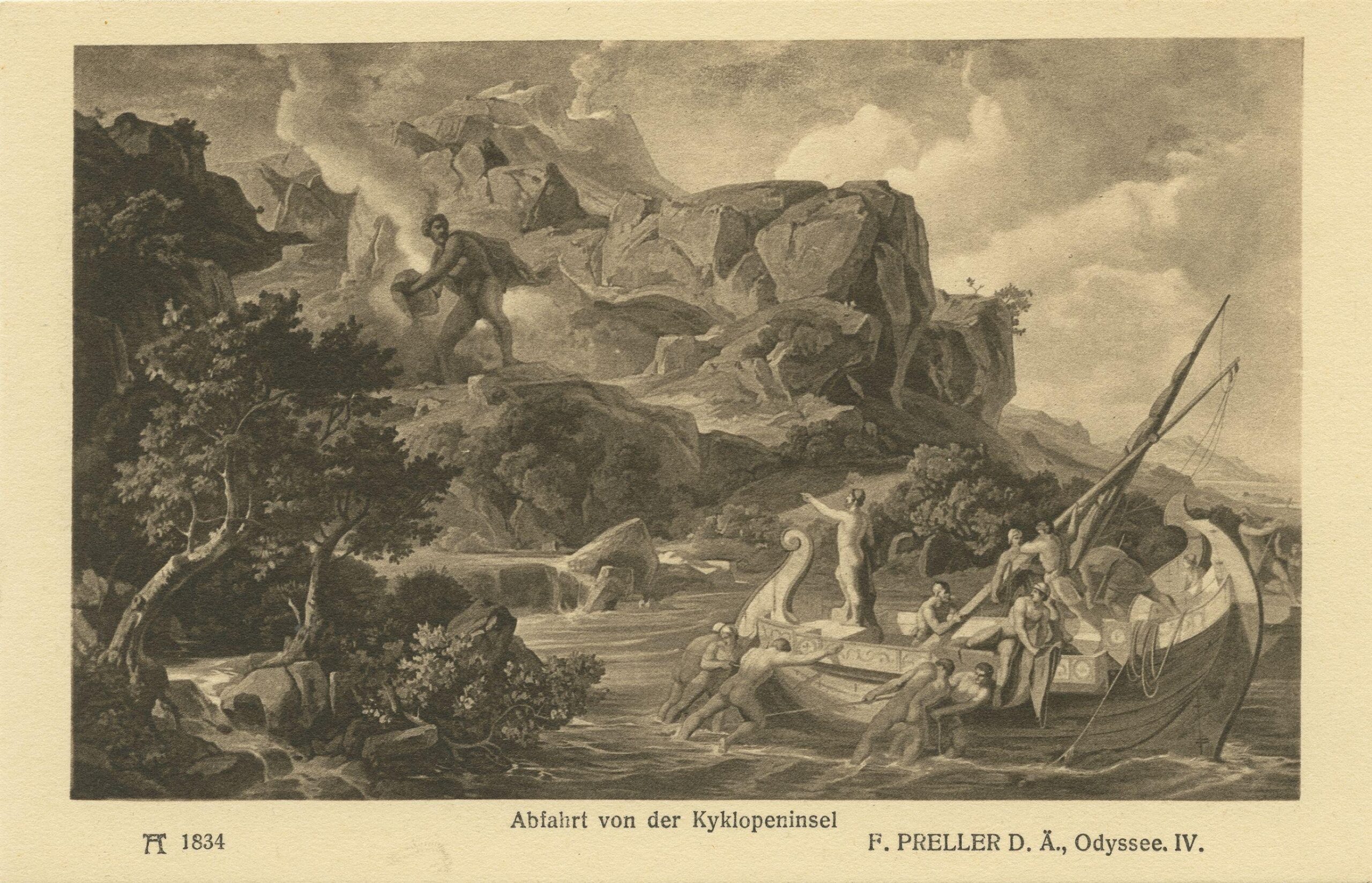
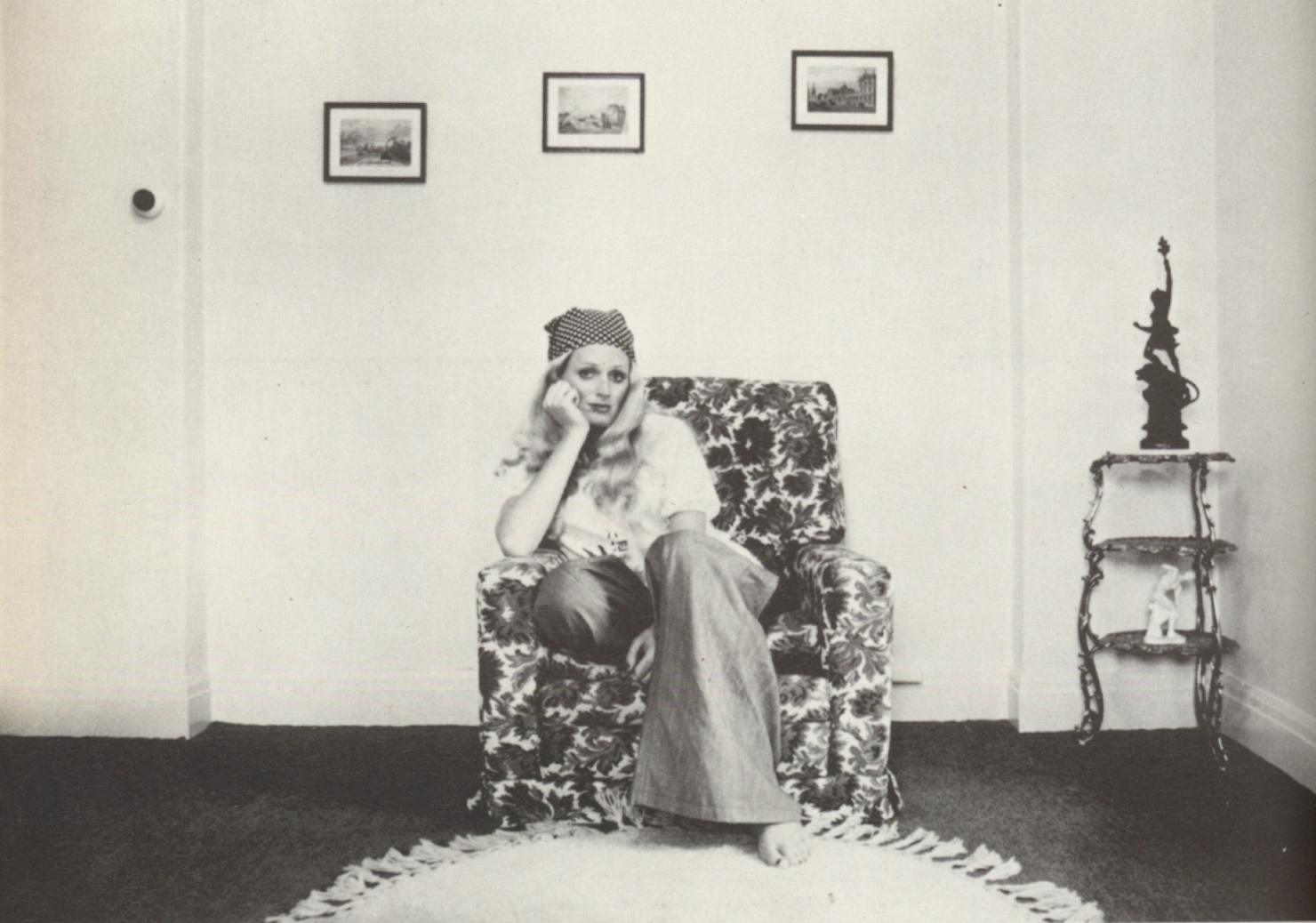


Sign up for updates
Never miss a thing. Get updates from JSTOR delivered straight to your inbox.
By signing up you agree to our Privacy Policy. You may unsubscribe at any time by clicking on the provided link on any marketing message.
"*" indicates required fields