
JSTOR for publishers
Publishers are an essential partner in JSTOR’s mission to expand access to knowledge, and preserve scholarship. Together, we make research and learning more equitable, sustainable, and impactful for communities worldwide.
Whether you’re deepening an existing relationship or exploring new possibilities, we’re here to support meaningful, sustainable collaboration.
14,000+
Global institutions
1,850+
Participating publishers
Why partner with JSTOR?

Advance global access to knowledge
Over the course of three decades, JSTOR has worked closely with 1,850+ academic publishers to make scholarship discoverable and accessible across 14,000 institutions in over 170 countries. Our partnerships support open access (OA), digital preservation, and the creation of sustainable business models that balance the needs of both publishers and the academic community.
A trusted, mission-driven collaboration
Part of the nonprofit ITHAKA, JSTOR is dedicated to using technology to advance research and education. Publishers who collaborate with us gain access to a global network of libraries, researchers, and students who rely on JSTOR every day for authoritative, interdisciplinary content.
Supporting sustainable publishing models
From OA to Publisher Collections, JSTOR’s publishing models are designed to support long-term viability for scholarly publishing while promoting access and visibility for your content, authors, and institution.
Opportunities for collaboration
JSTOR offers a number of opportunities to extend the reach, preservation, and impact of scholarly content. Explore the models to find the right fit for your publishing program.
Books at JSTOR
Library-preferred acquisition models
Join more than 340 distinguished presses making their scholarly books available on JSTOR. With flexible acquisition models—including title-by-title, EBA and DDA—and OA options to extend your reach to millions of researchers worldwide.
Path to Open
A sustainable model for OA publishing that broadens bibliodiversity for libraries and readers worldwide. Path to Open supports university presses and their authors by expanding global reach and impact of their scholarship.
Publisher Collections
A new model featuring 20+ university and scholarly presses that helps publishers sustainably promote their entire catalog, while giving libraries an easier, more affordable way to acquire trusted scholarly ebooks.
Archival journal collections
Strengthen the impact of your journals
Preserve and distribute journals that form the backbone of scholarly research. Our archival collections ensure perpetual access and visibility for participating publishers.
Research reports
Share your research on JSTOR
Extend the reach of policy research and institutional reports by hosting them on JSTOR, making them discoverable alongside the journal and book literature researchers already use.
Preserve with Portico
Explore preservation options
Portico, ITHAKA’s digital preservation service, safeguards your publications to ensure long-term access—whether or not they are available on JSTOR. As part of the same nonprofit organization, Portico and JSTOR offer publishers complementary ways to share, protect, and sustain scholarship.

Resources for publishers
Find the practical tools and information you need to collaborate effectively with JSTOR:
- Get started as a new publishing partner
- Submit and manage metadata requirements
- Access usage reporting and performance insights
- Promote your participation with communications toolkits
- Review policies on name changes, accessibility, and rights management
Partner stories and impact
Find out how publishers across disciplines are working with JSTOR to amplify their mission, reach new readers, and create sustainable models for scholarly publishing.

A new chapter for scholarship: Syracuse University and Path to Open
Learn how Syracuse University is advancing open access and bibliodiversity through its participation in JSTOR’s Path to Open, supporting sustainable publishing and expanding access to scholarship worldwide.
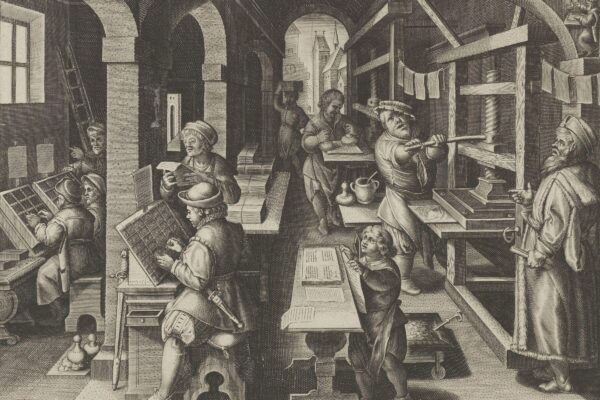
A new model for scholarly ebooks: Publisher Collections built with, and for, librarians and publishers, to serve readers today and tomorrow
A new nonprofit-led model from JSTOR offers libraries and publishers a more sustainable, equitable, and integrated ecosystem for scholarly ebooks.

A new JSTOR fee model option to maximize access to knowledge: A letter from Kevin Guthrie
Dear Colleagues, I recently shared the 2023 priorities ITHAKA has set to help provide the infrastructure the academic community needs to support research, teaching, and […]
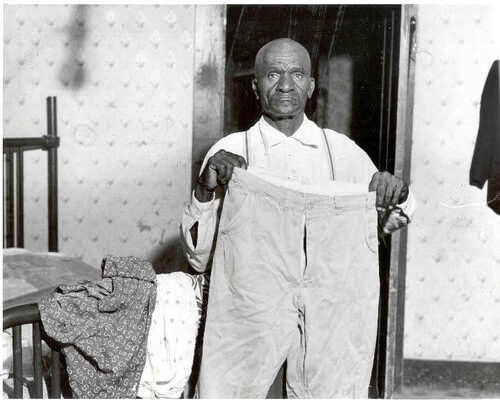
Safeguarding cultural heritage: Portico’s preservation efforts
Digital preservation is the act of safeguarding and maintaining access to information and cultural heritage, ensuring it can withstand the test of time and technological change.
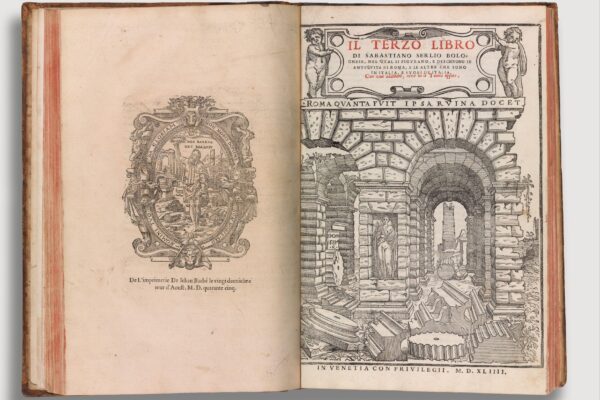
Books at JSTOR: Our commitment to supporting community-driven, flexible, and sustainable business models
Since 2012, Books at JSTOR has expanded to include over 146,000 scholarly ebooks from 345 global publishers, supporting diverse library needs through flexible acquisition models like Demand Driven Acquisition (DDA) and Evidence Based Acquisition (EBA).
Community voices

As longtime partners, Indiana University Press values the nonprofit, non-commercial ethos that JSTOR brings to the table in the current library market environment.

When JSTOR approached us with an offer to participate in their new Publisher Collections program, we saw it as an opportunity to offer libraries more choices. We were impressed with the care, collaboration, and commitment they brought to construct a solution that benefits both publishers and libraries.

Liverpool University Press is delighted to be part of this new initiative…our organizations share a commitment to mission-led humanities publishing and serving the wider academic community. Through the Publisher Collections we can continue to build on our long-established relationship and significantly expand the number of LUP ebooks available to the libraries using JSTOR.

Offering librarians meaningful choice in how they acquire content is essential. As a trusted platform for institutions worldwide, JSTOR provides a compelling new option at a time of rapid change in the industry. As an independent publisher, we sought a partner we could trust to collaborate openly and to share our long-term vision for accessible and equitable scholarship. We are delighted to partner with JSTOR in making our frontlist titles available for purchase at the collection level, while also supporting our broader goal of building sustainable OA pathways.
Ready to explore what’s possible together?
Whether you’re considering a new partnership or expanding an existing one, our team is here to discuss your goals, answer questions, and help you find the right publishing model for your press.
Let’s connect and build a sustainable, mission-driven future for scholarly communication.
View image credits from this page
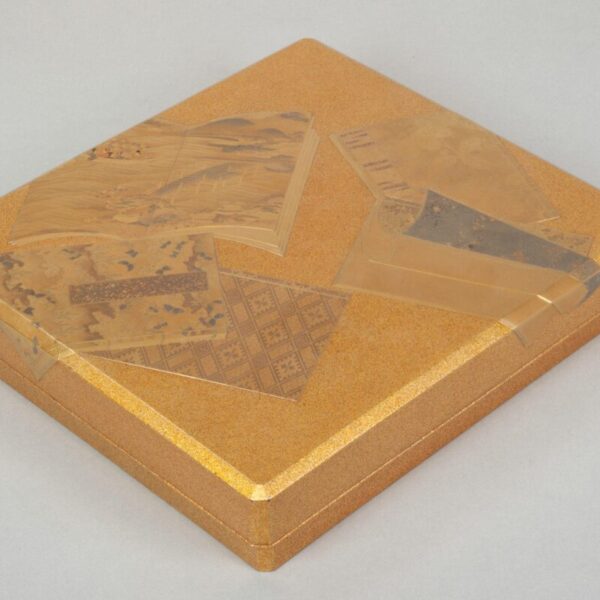
Japanese. Writing Box with Illustrated Books. 19th century. Part of Open: The Metropolitan Museum of Art, Artstor.

Iranian. Girl Reading. c. 1570. Part of Museum of Fine Arts, Boston, Artstor.
Juan Gris. Detail: Breakfast (Le Petit Déjeuner). October 1915. Part of Réunion des Musées Nationaux (RMN), Artstor.
Kubo Shunman. Books and Brush-Stand. 19th century. Part of Open: The Metropolitan Museum of Art, Artstor.
Nécessaire with Watch. probably ca. 1745–50. Part of Open: The Metropolitan Museum of Art, Artstor.
Jan Collaert I after Jan van der Straet, called Stradanus. New Inventions of Modern Times [Nova Reperta], The Invention of Book Printing, Plate 4. ca. 1600. Part of Open: The Metropolitan Museum of Art, Artstor.