
Research
-
Examples and case studies that show how Artstor on JSTOR can be used to enhance the teaching and learning of medicine and medical history.
-
Artstor on JSTOR provides half a million useful images documenting architecture across the world, from ancient architecture to contemporary buildings. See how they might be used for teaching and research.
-
Organize, compare, and share your research like never before with JSTOR’s Workspace. Perfect for librarians, faculty, and students, it streamlines resource management and collaboration, making research easier and more efficient.
-
In our webinar, explore tools, content, and strategies with Blair Woodard (Associate Professor of History and Environmental Studies, University of Portland) and Whitney Barlow Robles (Author, Historian, Curator, and Visiting Scholar, Department of History, Dartmouth College), and get practical tips on using images to enrich student learning.
-
Discover how educators across various disciplines are creatively using Artstor on JSTOR to enrich their teaching. From ESL to Dance studies, explore 15 inspiring ways high-quality images and media are being integrated into lessons, helping students engage with visual resources in new and innovative ways.
-
Discover how JSTOR supports teaching and learning with classroom-ready resources, diverse scholarly content, and digital tools that help you save time and deepen student engagement.
-
Discover how JSTOR Daily brings scholarly research to a wider audience with open-access posts, linking academic content for context and insight into current events. Explore educational resources for students and instructors, offering models for research and writing techniques.
-
Explore the challenges of explosive demand in computer science departments at colleges, the faculty shortage, and the need for innovative solutions to enrich academic experiences and career opportunities for graduates.
-
JSTOR’s AI research tool helps users explore scholarship more deeply through key points, related topics, and natural-language questions. Free to participating institutions and developed responsibly with our community.
-
Artstor on JSTOR isn’t just images. Artstor collections encompass multimedia content, including audio, video, and panorama formats. The sound, motion, and visual depth of these formats makes possible a more immersive and engaging research experience, while simultaneously boosting accessibility and supporting diverse learning styles.
-
Discover how Sarah Kiyak, a teacher at Alexandria High School in Virginia, leveraged JSTOR’s generative AI tool to enhance student engagement, foster research skills, and streamline workflows in her classroom.
-
Learn how to search exclusively for images, access all Artstor collections on JSTOR, and find your saved image groups in JSTOR Workspace. Discover JSTOR’s expanded content—now including images, multimedia, books, and articles—all in one place, with no subscription required for Artstor features.
-
Discover how researchers and students explore the usage of ChatGPT in generative AI. Learn how this collaboration led to JSTOR’s AI tool development and improved search features tailored for students’ needs, reflecting ITHAKA’s community-driven ethos and commitment to expanding knowledge access.
-
Discover how technology like generative AI can aid students in understanding complex concepts while emphasizing the importance of close reading and deep engagement. Explore the potential of social annotation technology in learning to read challenging scholarly materials.
-
Join this free, one-hour JSTOR + Choice-ACRL webinar to learn how librarians and faculty can align and collaborate to address barriers to teaching with digitized primary sources. In addition to walking away with actionable insights, attendees will be the first to receive full access to the new report!
-
Struggling to forge a connection between scholarly content and vibrant student engagement? The solution awaits. Join us for this webinar where Hypothesis and JSTOR teams unite to unveil the transformative potential of social annotation in reshaping the student-faculty interaction with JSTOR content.
-
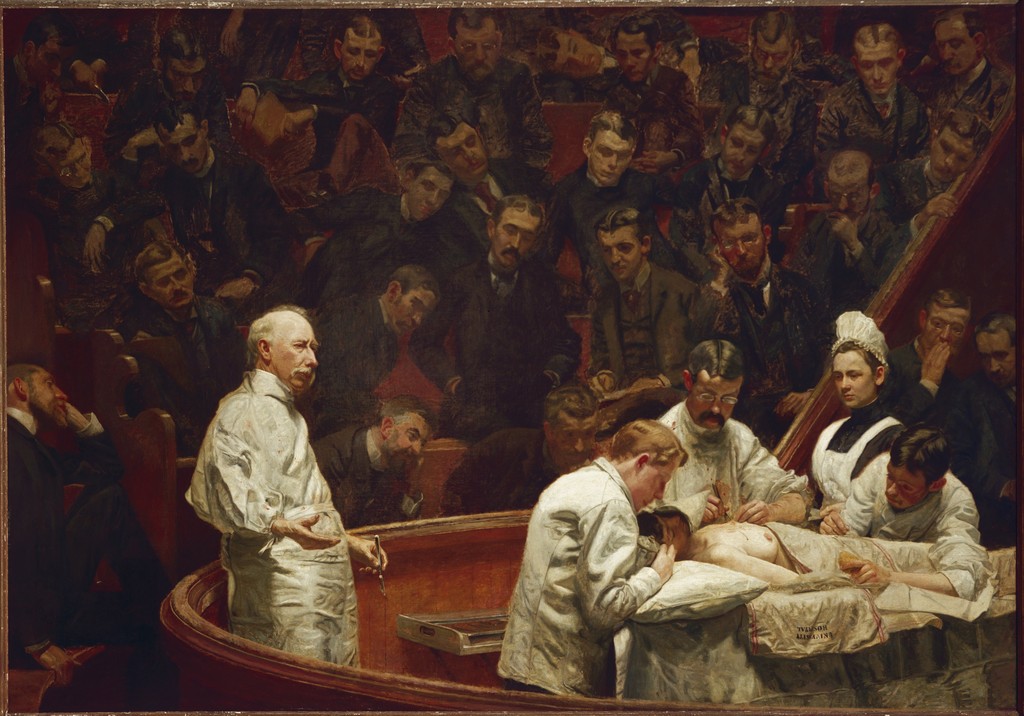
In the nineteenth century, artists like Thomas Eakins brought the drama of the operating theater to canvas, capturing both the intensity of surgical practice and the rise of modern medical techniques. His landmark works, The Gross Clinic and The Agnew Clinic, reveal a vivid intersection of art, science, and history.
-
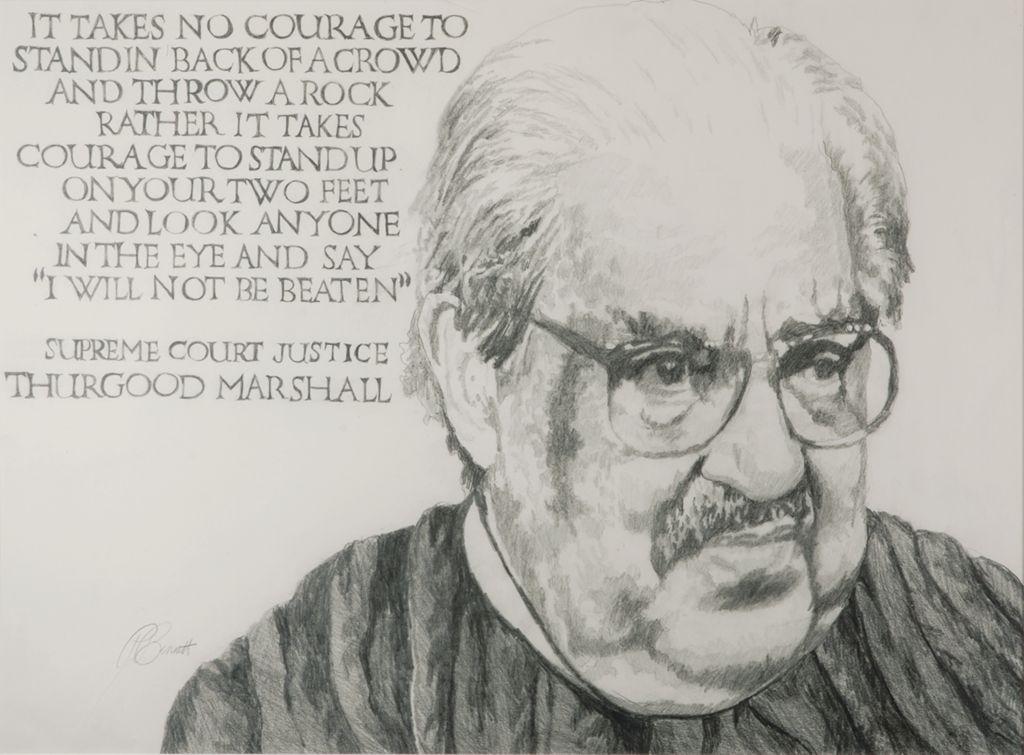
Discover how JSTOR’s archival journal collections preserve and connect the evolution of ideas—from Alan Turing to Hannah Arendt and Thurgood Marshall—linking foundational research with today’s analysis.
-
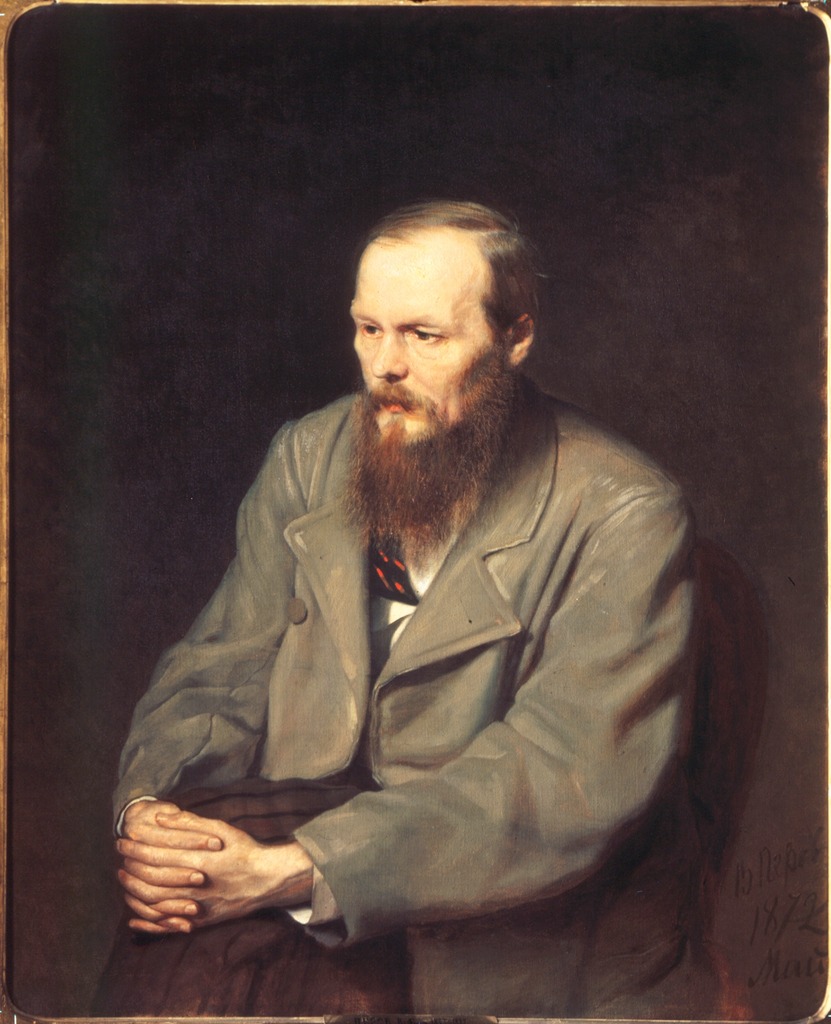
Dostoevsky’s encounter with Holbein’s unvarnished Dead Christ shaped The Idiot, revealing how the painting’s stark realism challenged his faith and informed his probing vision of belief amid suffering.

Sign up for updates
Never miss a thing. Get updates from JSTOR delivered straight to your inbox.
By signing up you agree to our Privacy Policy. You may unsubscribe at any time by clicking on the provided link on any marketing message.
"*" indicates required fields