
Faculty
-
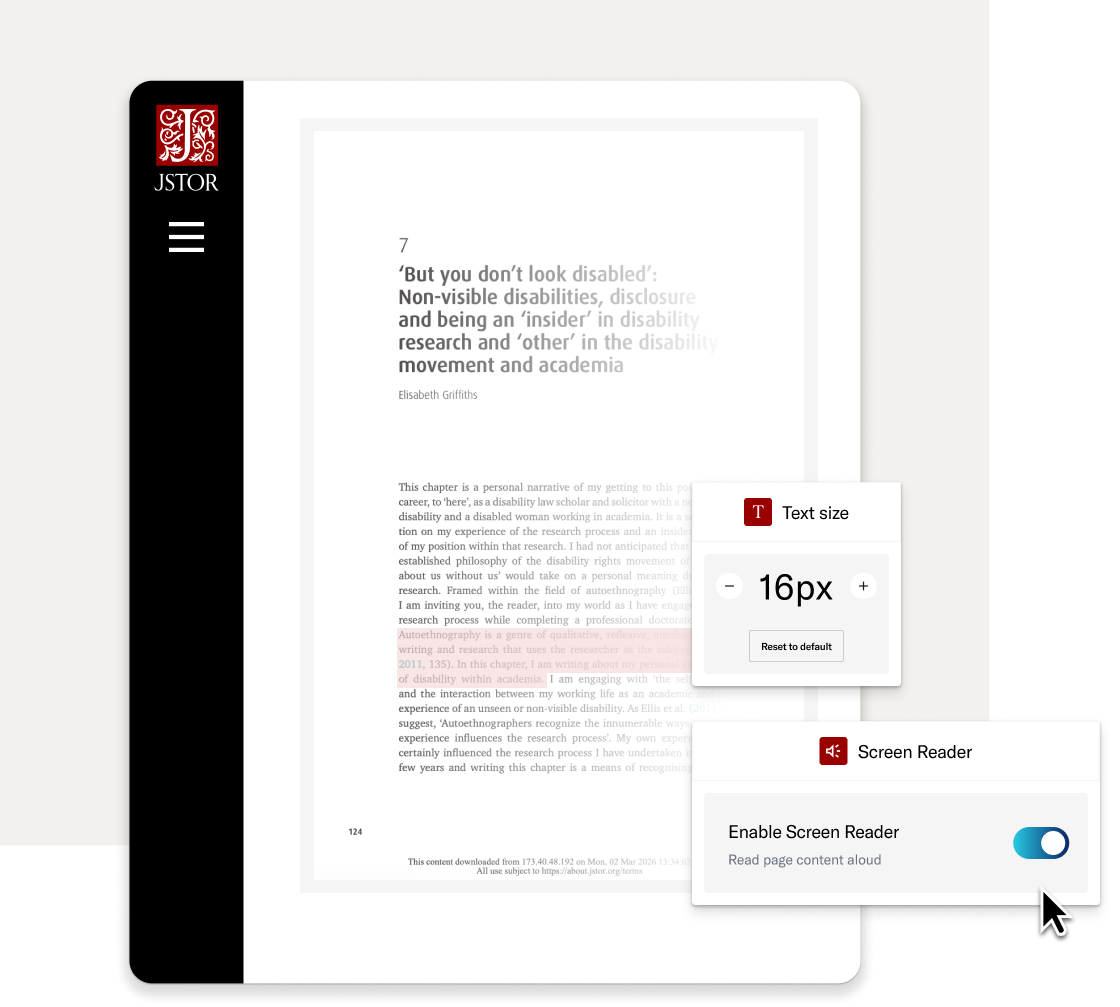
Ahead of updated ADA Title II requirements, we spoke with accessibility leaders at seven public universities about what sustainable progress really looks like. Their focus: prioritization, transparency from providers, and scalable, human-centered solutions that build accessibility into systems.
-
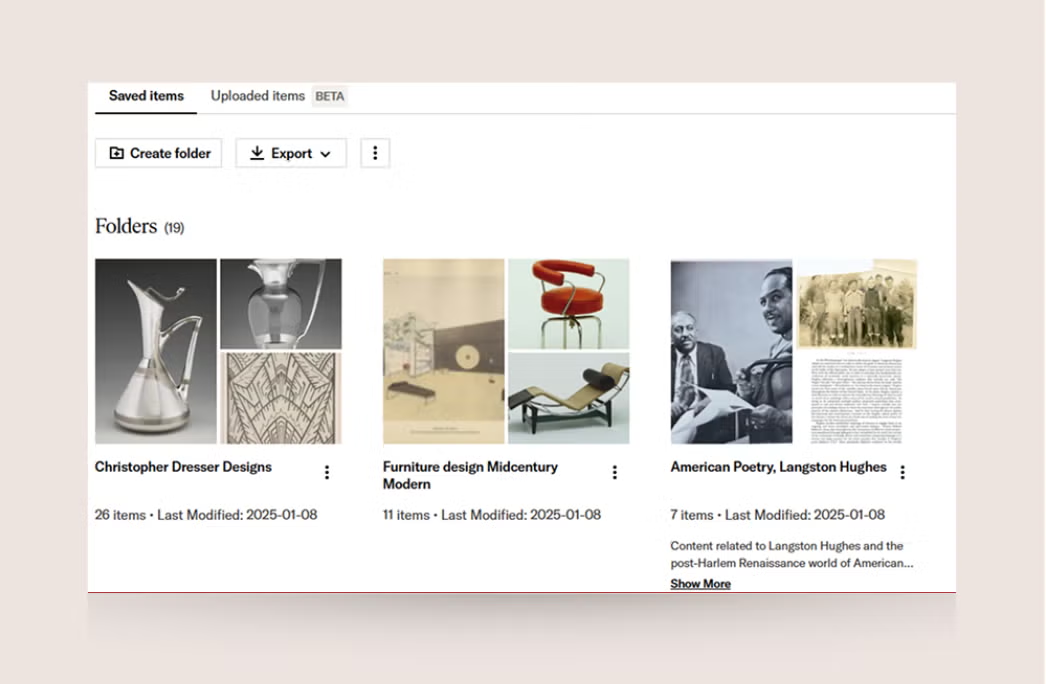
When art historian and instructor Sienna Weldon discovered JSTOR’s Workspace, her research process transformed. What began as a simple bookmarking tool became a powerful, intuitive way to organize, annotate, and revisit materials—all in one place. Now, Sienna uses Workspace not only to streamline her own projects but also to empower students to approach research with…
-
Learn how a slow-looking project helps students engage deeply with artworks, build visual analysis skills, and create collaborative exhibitions using JSTOR and Artstor resources.
-
This year’s American Library Association (ALA) Conference in Philadelphia offered an opportunity to share how JSTOR is addressing two interconnected needs: helping researchers navigate trusted content more intuitively, and helping libraries manage, preserve, and activate distinctive collections at scale.
-
PhD candidate and art historian Connie Robles shares how JSTOR’s Workspace became her essential hub for organizing research, citations, and teaching materials. By integrating articles and images in one flexible, intuitive space, Workspace helps researchers and educators stay organized, save time, and inspire students to develop strong digital research skills.
-
Developed by John Guillory and Scott Newstok, the Close Reading Archive reimagines the history of literary interpretation through a rich, searchable database built with JSTOR’s research infrastructure.
-
How do we hope to meet the challenges of the future? This blog post details some of the inroads we’re making in charting the path ahead, including through digital collection stewardship, faculty engagement, open scholarship initiatives, and editorial excellence.
-
What would your classroom look like if students engaged with knowledge as detectives rather than passive readers? The answers lie in digital primary sources. And education depends on how we use them.
-
At SXSW EDU 2025, educators gathered to discuss the promises and pitfalls of AI in the classroom. This post reflects on the evolving role of humanities instructors, advocating for AI as a collaborative tool to support metacognition, process-based learning, and critical engagement.
-
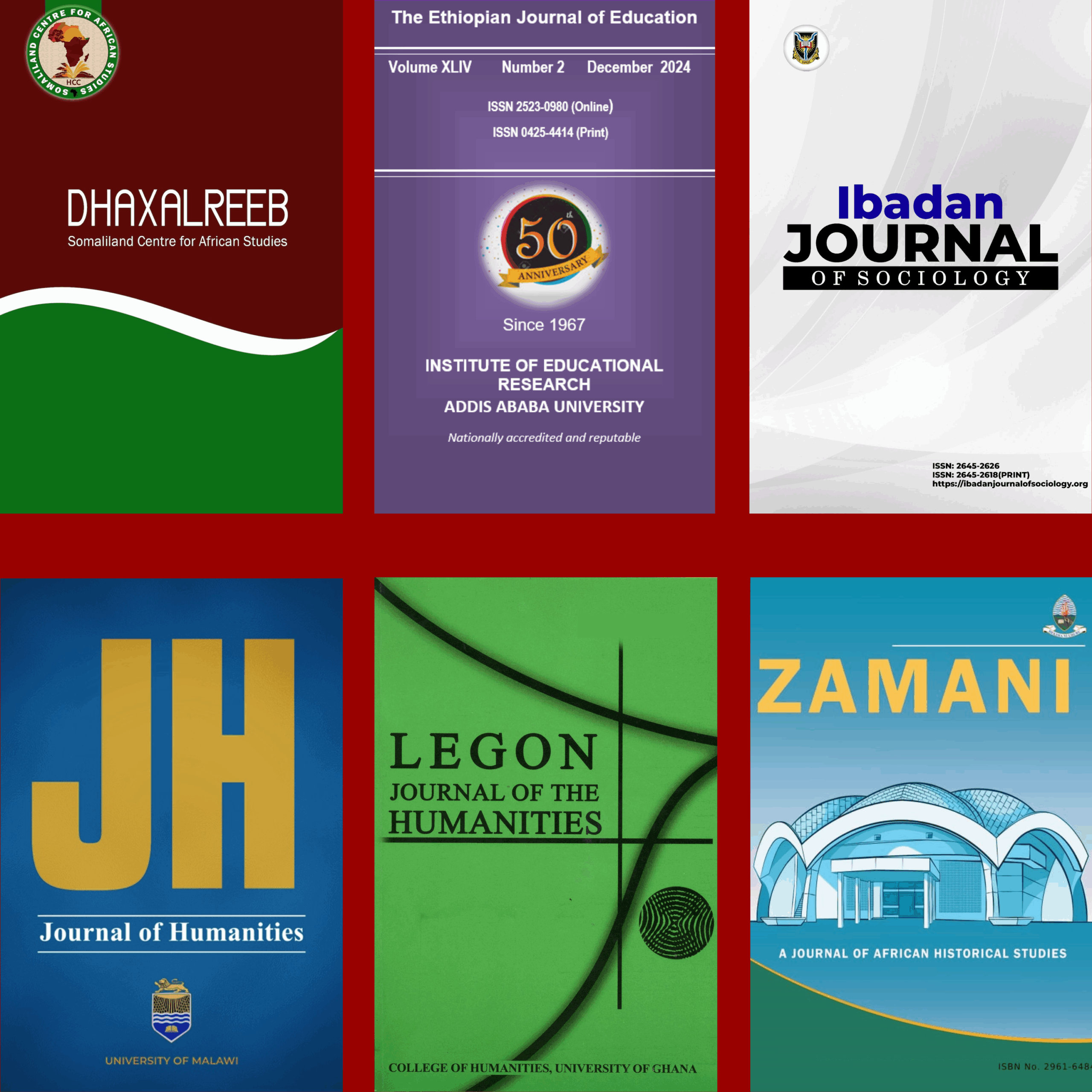
JSTOR has partnered with Pluto Journals and the African Books Collective to launch six open access African journals as part of a new pilot program supporting diamond open access publishing.
-
Discover how secondary school teacher Madeleine Champagnie integrates JSTOR’s research tool into her English classroom to make scholarly research more accessible, inclusive, and efficient.
-
Explore how Dr. Alexa Alice Joubin builds trust in AI-powered educational tools through open-access models, humanities-based insights, and participatory design—fostering ethical, critical engagement between students and AI in the classroom.
-
Many first-year undergraduates struggle with understanding secondary sources in literary studies. Explore practical strategies—highlighting, annotation, and summarization—to help students engage with academic texts more effectively.
-
Let’s take a time machine—right at your fingertips—with digital primary sources. Developing digital literacy and primary source analysis skills is essential in higher education, equipping learners not only for academia but also for careers in research, journalism, policy, and beyond.
-
Primary sources offer direct, unfiltered access to the voices, images, and documents that shape our understanding of the world and its history. And yet, despite their value, primary source literacy remains an ongoing challenge in higher education.
-
Streamline research, gain metadata insights, and boost student success with JSTOR’s interactive research tool. We’ve designed its new features and enhancements to elevate your research experience.
-
How can artificial intelligence enhance humanities research and teaching while preserving the discipline’s rich traditions and interpretive depth? This question guided a dynamic session at the 2025 Modern Language Association (MLA) Conference—a gathering of thousands of educators, students, and scholars passionate about language, literature, and culture.
-
Accessible knowledge opens the door to education. In 2025, explore JSTOR’s open access collections, featuring art, photographs, and cultural archives that empower visual literacy and interdisciplinary discovery.
-
Examples and case studies that show how Artstor on JSTOR can be used to enhance the teaching and learning of medicine and medical history.
-
Artstor on JSTOR provides half a million useful images documenting architecture across the world, from ancient architecture to contemporary buildings. See how they might be used for teaching and research.
-
At the Charleston Conference 2024, JSTOR presented its vision for managing and preserving digital collections into the future. “Not Just Another AI Session” highlighted how cutting-edge tools—including JSTOR’s digital collection processing prototype and interactive research tool (beta)—can transform access to archival materials while staying true to JSTOR’s nonprofit mission.
-
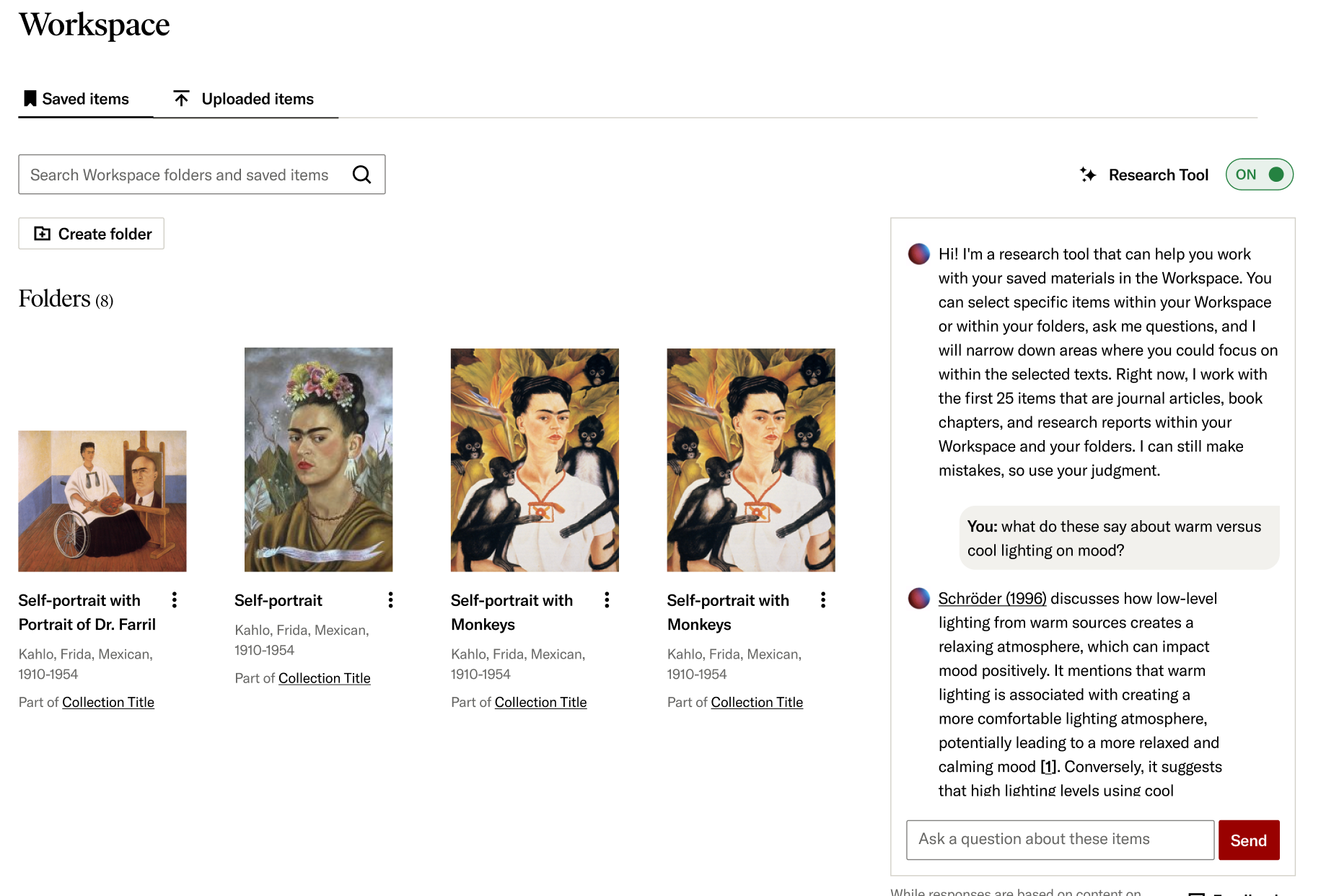
Organize, compare, and share your research like never before with JSTOR’s Workspace. Perfect for librarians, faculty, and students, it streamlines resource management and collaboration, making research easier and more efficient.
-
Discover how Artstor’s images elevate literature education and explore two compelling case studies from a UC Irvine professor and a Philadelphia Museum of Art educator.
-
Explore the newly expanded Joseph F. Stapleton Drawing Collection from Artstor on JSTOR, now featuring 345 additional images. With nearly 650 images available, this collection offers a rich resource for research and study.
-
Discover how educators across various disciplines are creatively using Artstor on JSTOR to enrich their teaching. From ESL to Dance studies, explore 15 inspiring ways high-quality images and media are being integrated into lessons, helping students engage with visual resources in new and innovative ways.
-
Discover how JSTOR Daily brings scholarly research to a wider audience with open-access posts, linking academic content for context and insight into current events. Explore educational resources for students and instructors, offering models for research and writing techniques.
-
Enhance visual literacy with “Learning to Look”! Dive into actionable guidance and lesson plans to understand the world through images with Virginia Seymour. Develop vital skills for students and educators alike.
-
Artstor on JSTOR virtual field trips foster equity, boost engagement, and build visual literacy through immersive, accessible online learning experiences.
-
At JSTOR, our mission is to improve access to knowledge and education for people around the world. We’re excited to share several new initiatives leveraging cutting-edge technology to make scholarly materials more accessible, interactive, and engaging for our users. Here’s a detailed look at the latest advancements we recently shared at ALA 2024 in San…
-
We are actively learning from usage, real-world applications, and user feedback in a limited beta environment to build out capabilities thoughtfully, intentionally, incrementally, and most importantly–based on evidence. This blog post delves into the rationale, construction, and current functionality of JSTOR’s beta generative AI tool, as well as the key themes and insights that have…


Sign up for updates
Never miss a thing. Get updates from JSTOR delivered straight to your inbox.
By signing up you agree to our Privacy Policy. You may unsubscribe at any time by clicking on the provided link on any marketing message.
"*" indicates required fields