
JSTOR
-
JSTOR has upheld a Gold 100% ASPIRE rating for its accessibility statement, recognized for clarity, transparency, and meaningful investment in user-centered access.
-
Ahead of updated ADA Title II requirements, we spoke with accessibility leaders at seven public universities about what sustainable progress really looks like. Their focus: prioritization, transparency from providers, and scalable, human-centered solutions that build accessibility into systems.
-
Drew University joins the Tier 3 charter program for JSTOR Digital Stewardship Services, using JSTOR Seeklight to expand access and strengthen hands-on learnig
-
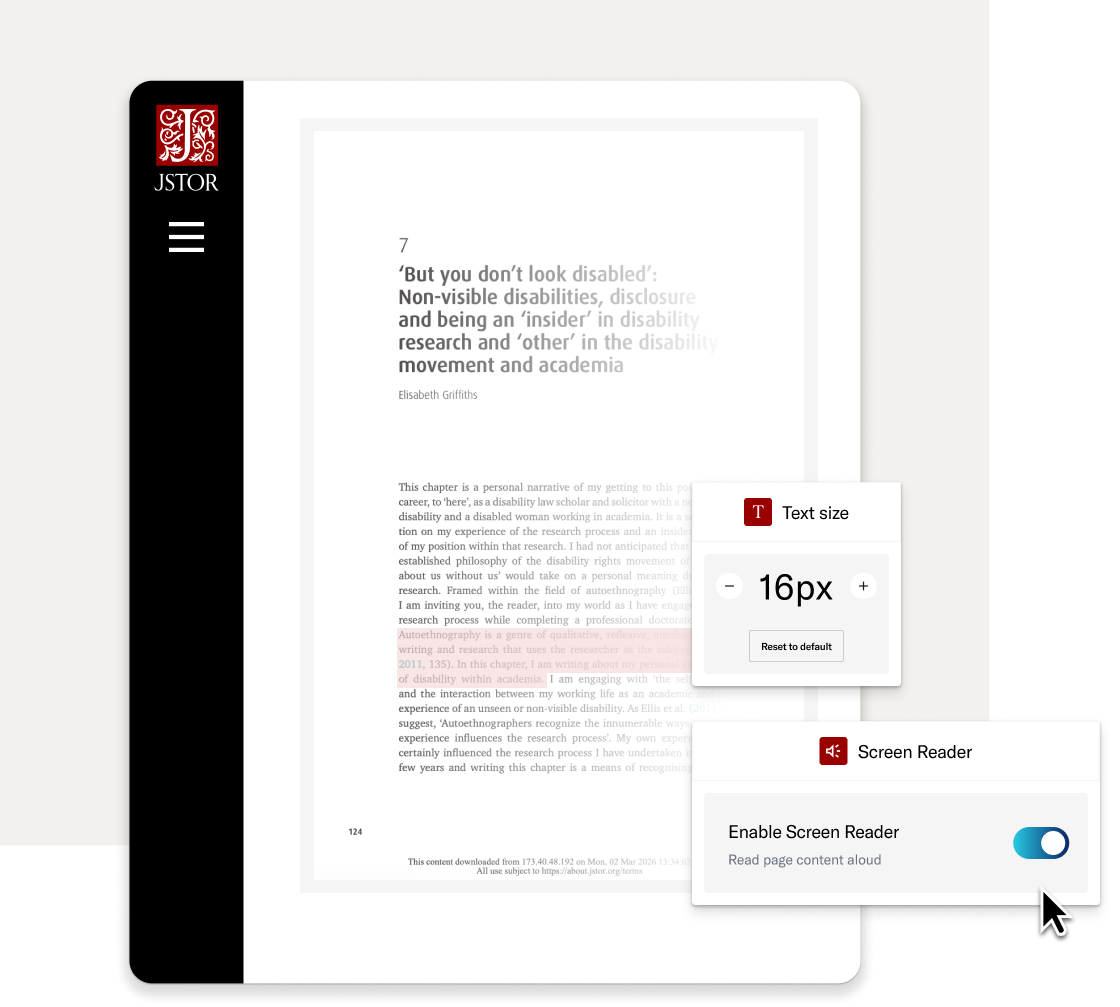
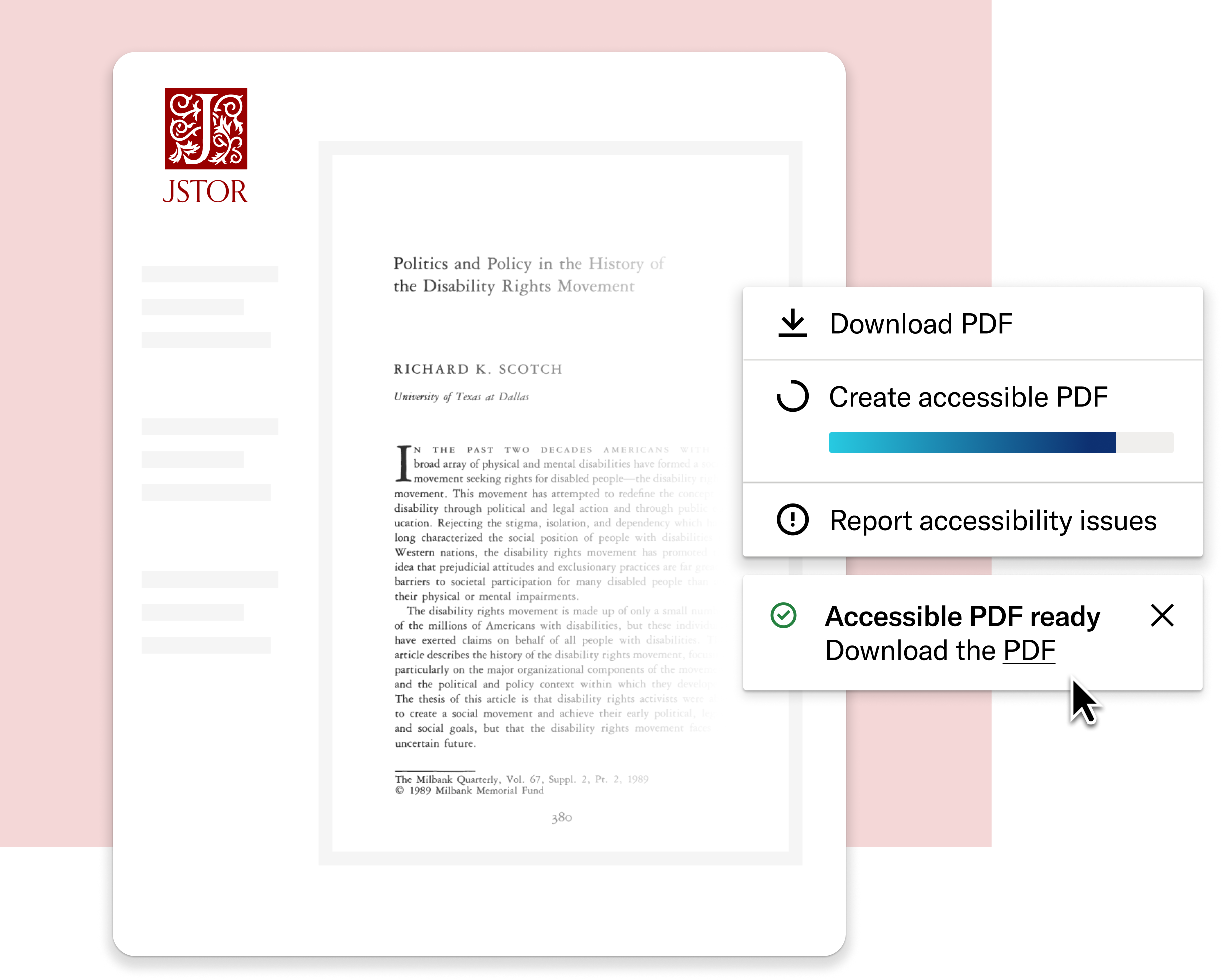
With upcoming ADA Title II requirements taking effect in April 2026, institutions are closely evaluating how well their digital resources support access for everyone. At JSTOR, accessibility is an ongoing commitment, supported by new on-demand remediation tools to help ensure users can access the content they need, when they need it.
-
Page
Learn how JSTOR designs for accessibility, meets WCAG standards, supports assistive technologies, and provides accommodations—advancing equitable access to scholarship for all users.
-
The Disciples of Christ Historical Society will adopt JSTOR Digital Stewardship Services as a unified home for its digital collections and join the Tier 3 charter community.
-
Preserving distinctive collections is essential—but preservation alone doesn’t guarantee impact. In today’s digital research environment, discovery determines whether primary sources are found, used, and meaningfully integrated into scholarship and teaching. This post explores why platform choice now plays a central role in turning stewardship into impact.
-
North Shore Community College has joined the JSTOR Digital Stewardship Services charter community as a Tier 3 participant, becoming the first community college to help shape JSTOR Seeklight and future stewardship practices.
-
The American Library in Paris has joined JSTOR Digital Stewardship Services as a Tier 2 participant, using JSTOR’s integrated platform to manage, preserve, and share its institutional archives, beginning with historic photographs from its early history.
-
As generative AI reshapes how people discover and use scholarly content, traditional usage metrics no longer tell the full story. This post explores what “invisible use” means for libraries, how COUNTER and the wider community are responding, and how JSTOR is adapting to ensure library value remains visible in an AI-mediated research environment.
-
An article co-authored by Beth LaPensee, Principal Product Manager at JSTOR, has been published in the December issue of Against the Grain. Written with Anne Grant of Clemson University Libraries, the piece examines how libraries and nonprofit research platforms can work together to design and implement embedded AI tools that support ethical, transparent, and inquiry-driven…
-
The Tennessee Higher Education Initiative (THEI) rejects the idea that incarcerated students should accept “whatever is available.” Instead, their Navigating Forward project is built on the belief that learners inside deserve excellence—resources that are not only functional but dignifying.
-
Access ready-made outreach materials, training guides, FAQs, and social media content to help your community understand and effectively use JSTOR’s AI research tool for discovery and research.
-
JSTOR Conversational Discovery GPT is a conversational research assistant that helps you discover trustworthy academic sources using natural language—grounded in JSTOR’s trusted scholarly content.
-
JSTOR Workspace is a free research environment where you can save, organize, annotate, share, and present materials from JSTOR or your own files—perfect for teaching, learning, and scholarly work.
-
Page
Gain comprehensive access to all licensed archival journals and primary source collections on JSTOR—brought together on one platform designed to support research, teaching, and discovery.
-
Page
Explore how JSTOR evolved from a digital journal archive to a global platform advancing research, teaching, and equitable access to knowledge across generations.
-
Page
JSTOR’s mission is to improve access to knowledge and education to help people improve their lives through learning. Learn how we make access sustainable and equitable for the global research and teaching community.
-
In this webinar, Emilie Hardman shares how values-aligned AI, including JSTOR Seeklight, can support reparative description at scale.
-
Page
Get in touch with JSTOR. Contact our team for information about pricing, access options, product demos, or support for your library, faculty, or institution.
-
Author Brian D. McLean argues that modern society is at a tipping point and answers with evidence. With JSTOR, he built a transparent, unbiased research process that verifies before it concludes.
-
Page
Explore what’s on JSTOR: high-quality journals, scholarly ebooks, primary sources, images, and research tools—all on one trusted platform supporting research, teaching, and discovery.
-
Discover how JSTOR supports your academic work with trusted scholarly content, free and low-cost access options, and research tools that help you stay organized and build confidence.
-
Page
As a nonprofit, JSTOR is committed to equitable, sustainable access to knowledge. We partner with libraries, publishers, and institutions to make scholarship affordable, preserved, and accessible to all.
-
Explore JSTOR’s resources, tools, and services for librarians. Strengthen collections, support faculty and students, and steward your institution’s distinctive materials with confidence.
-
Explore the JSTOR platform—an interactive, nonprofit digital library offering journals, books, primary sources, images, and advanced research tools that support teaching and learning worldwide.
-
Explore JSTOR’s full suite of products and services—from mission-driven digital stewardship and an innovative research platform to flexible content solutions—that support scholarship, teaching, and discovery.
-
For educator and researcher Maria Rovito, JSTOR became more than a research tool—it became a bridge from isolation to connection. Drawing on JSTOR’s interdisciplinary collections, Maria helps students trace the evolution of medical and cultural ideas while reimagining research as a collective act of care.
-
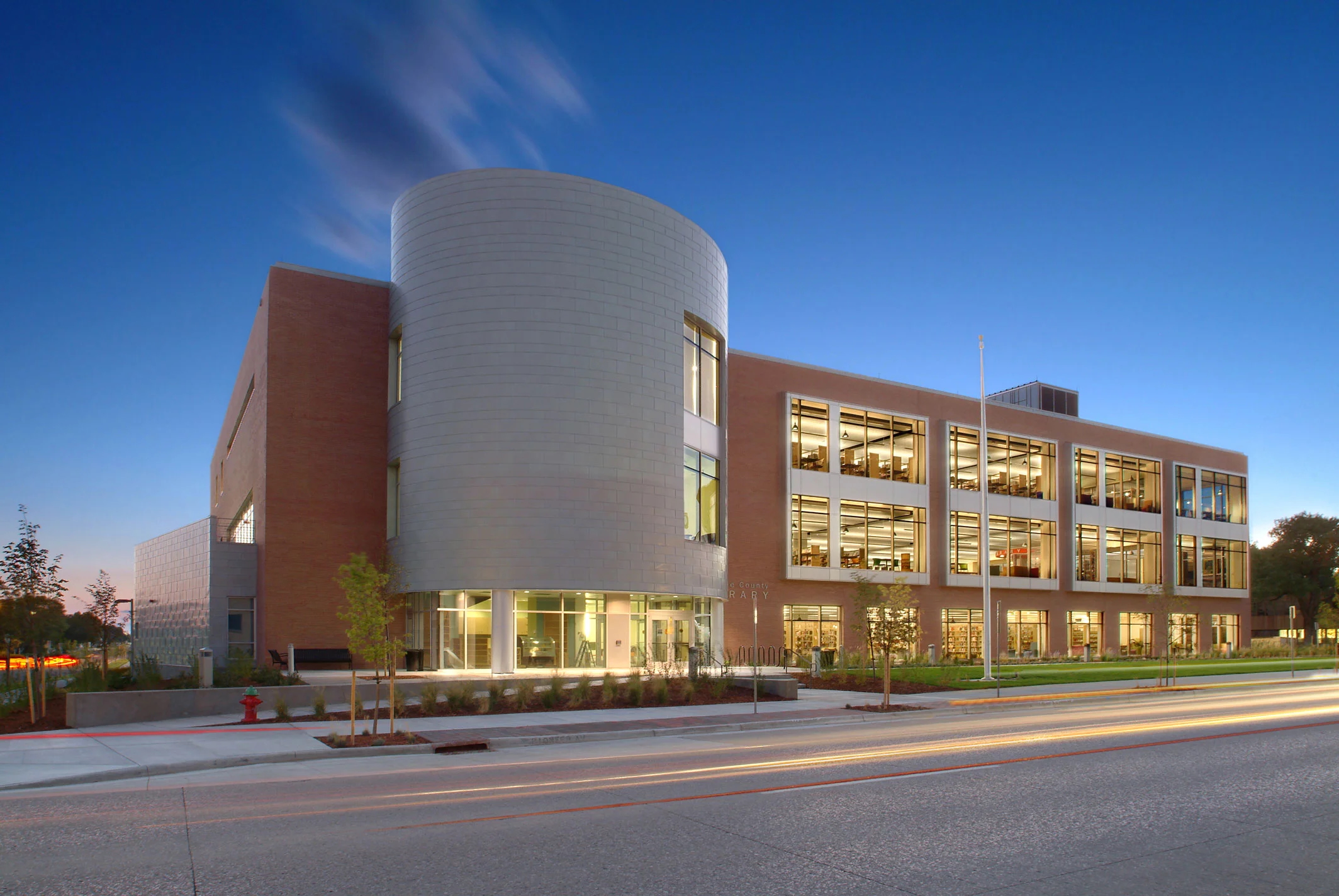
Seven Wyoming community colleges joined forces to make JSTOR permanently available to their students and faculty. Here’s how JSTOR’s one-time payment model made sustainable access possible.
-
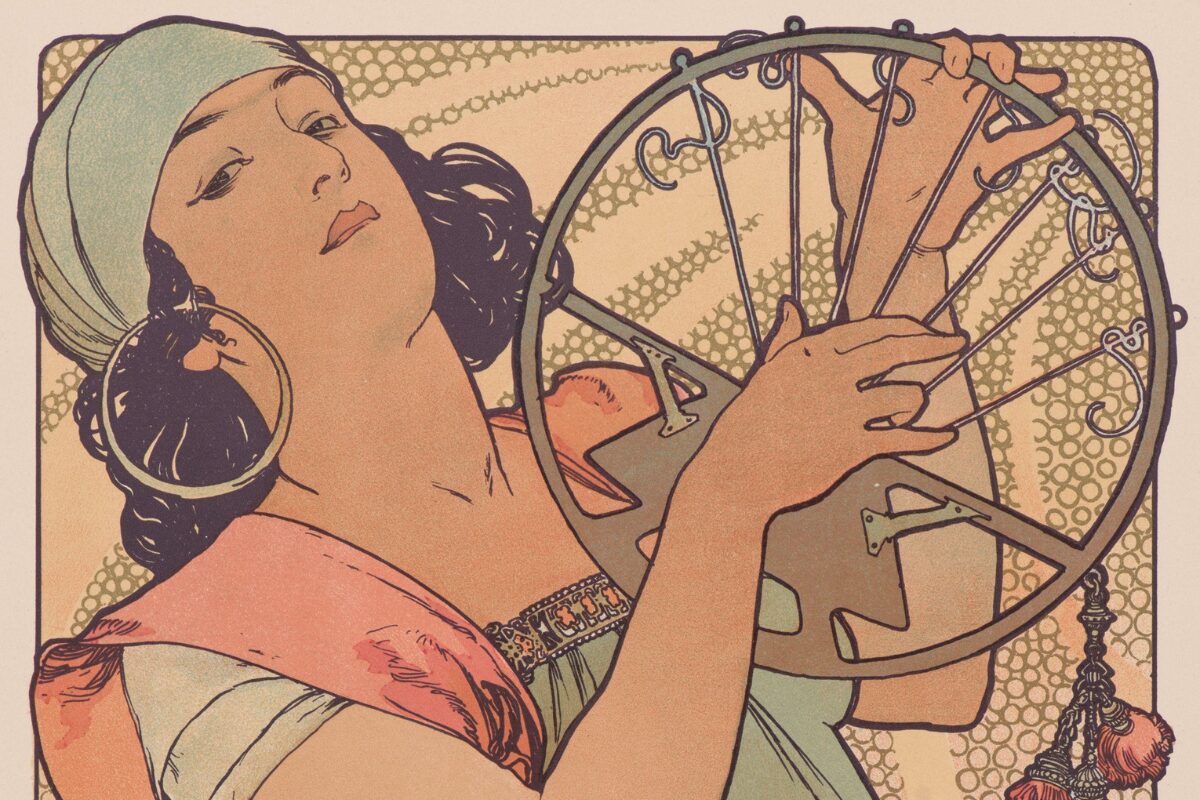
Learn how a slow-looking project helps students engage deeply with artworks, build visual analysis skills, and create collaborative exhibitions using JSTOR and Artstor resources.










Sign up for updates
Never miss a thing. Get updates from JSTOR delivered straight to your inbox.
By signing up you agree to our Privacy Policy. You may unsubscribe at any time by clicking on the provided link on any marketing message.
"*" indicates required fields