
JSTOR Blog
-
The JSTOR Digital Stewardship Services community continues to grow, bringing together libraries, archives, and cultural heritage organizations committed to responsible, mission-aligned digital collections. This month’s update highlights new community members, recently shared collections, and conversations shaping the future of scalable digital stewardship.
-
Path to Open has reached a major milestone: the first 100 scholarly books have officially flipped to open access on JSTOR. This post celebrates what that moment represents for libraries, publishers, and authors working together to expand global access to high-quality academic monographs.
-
The JSTOR Digital Stewardship Services community continues to grow as libraries, archives, and cultural heritage organizations collaborate to strengthen responsible digital collections practices. This month’s update highlights new participants, featured open collections, and insights from the wider community—offering inspiration for teams looking to scale or refine their digital stewardship programs.
-
The Tennessee Higher Education Initiative (THEI) rejects the idea that incarcerated students should accept “whatever is available.” Instead, their Navigating Forward project is built on the belief that learners inside deserve excellence—resources that are not only functional but dignifying.
-
Explore new Path to Open titles on JSTOR supporting teaching and research. View November 2025 releases and access options.
-
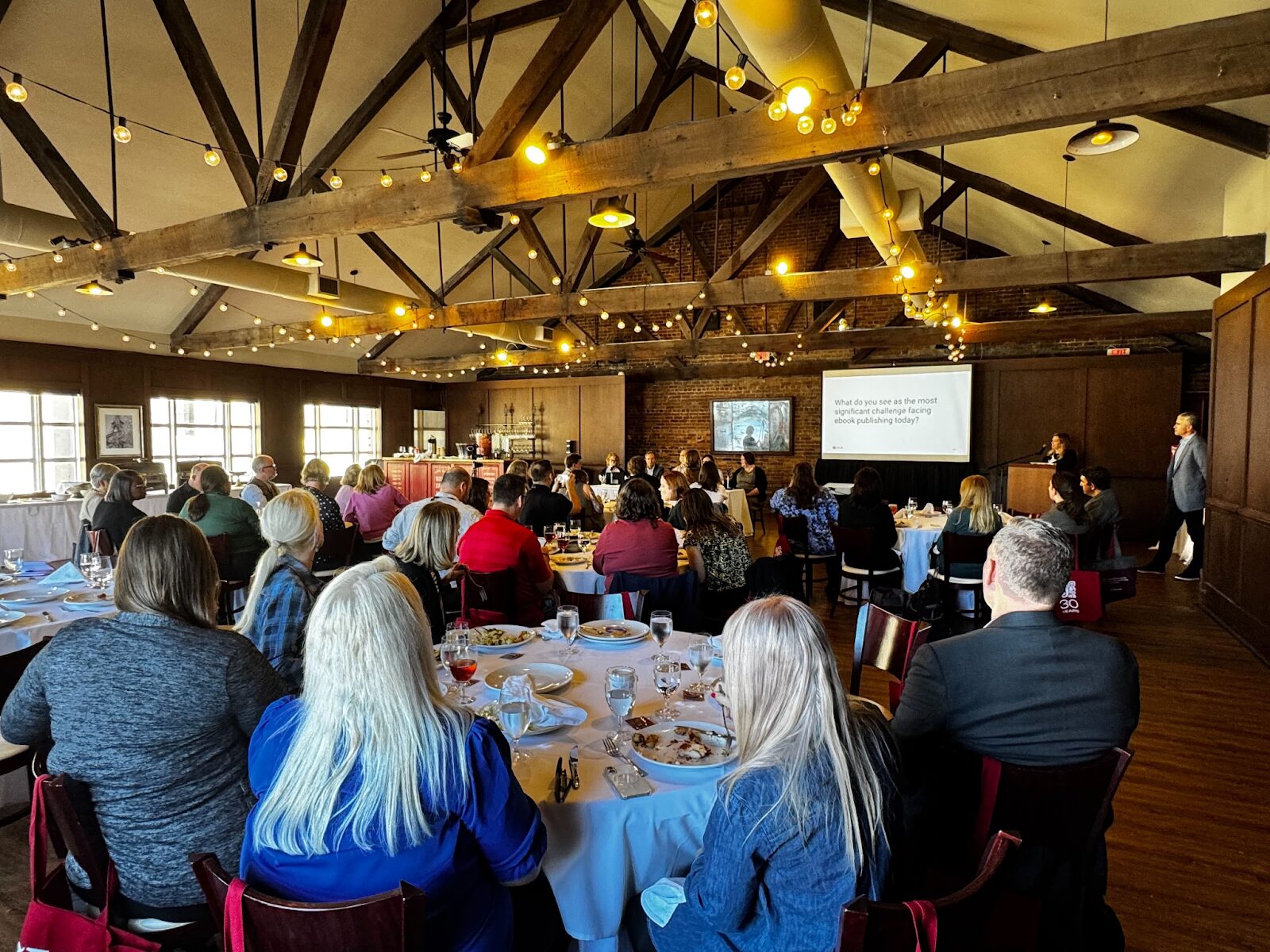
At this year’s Charleston Conference, JSTOR hosted two lunch events. Highlights included updates on Path to Open, Publisher Collections, and JSTOR Seeklight’s growing role in AI-assisted metadata generation.
-
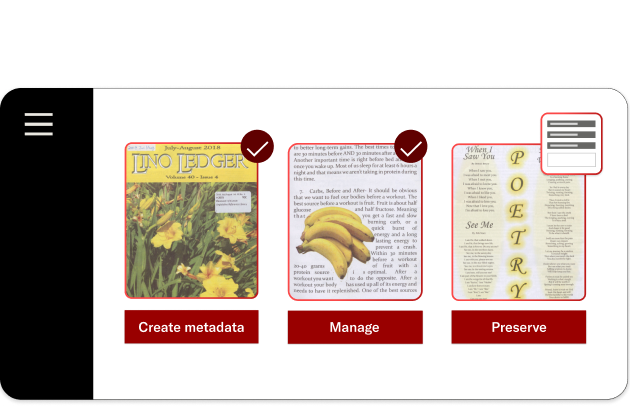
Roger Schonfeld introduces the concept of a collections processing tool—a new, community-driven system that reimagines how special collections are described and discovered. With JSTOR Seeklight, this approach uses digitization and intelligent recognition to make archives more accessible and impactful.
-
Explore new Path to Open titles on JSTOR supporting teaching and research. View October 2025 releases and access options.
-
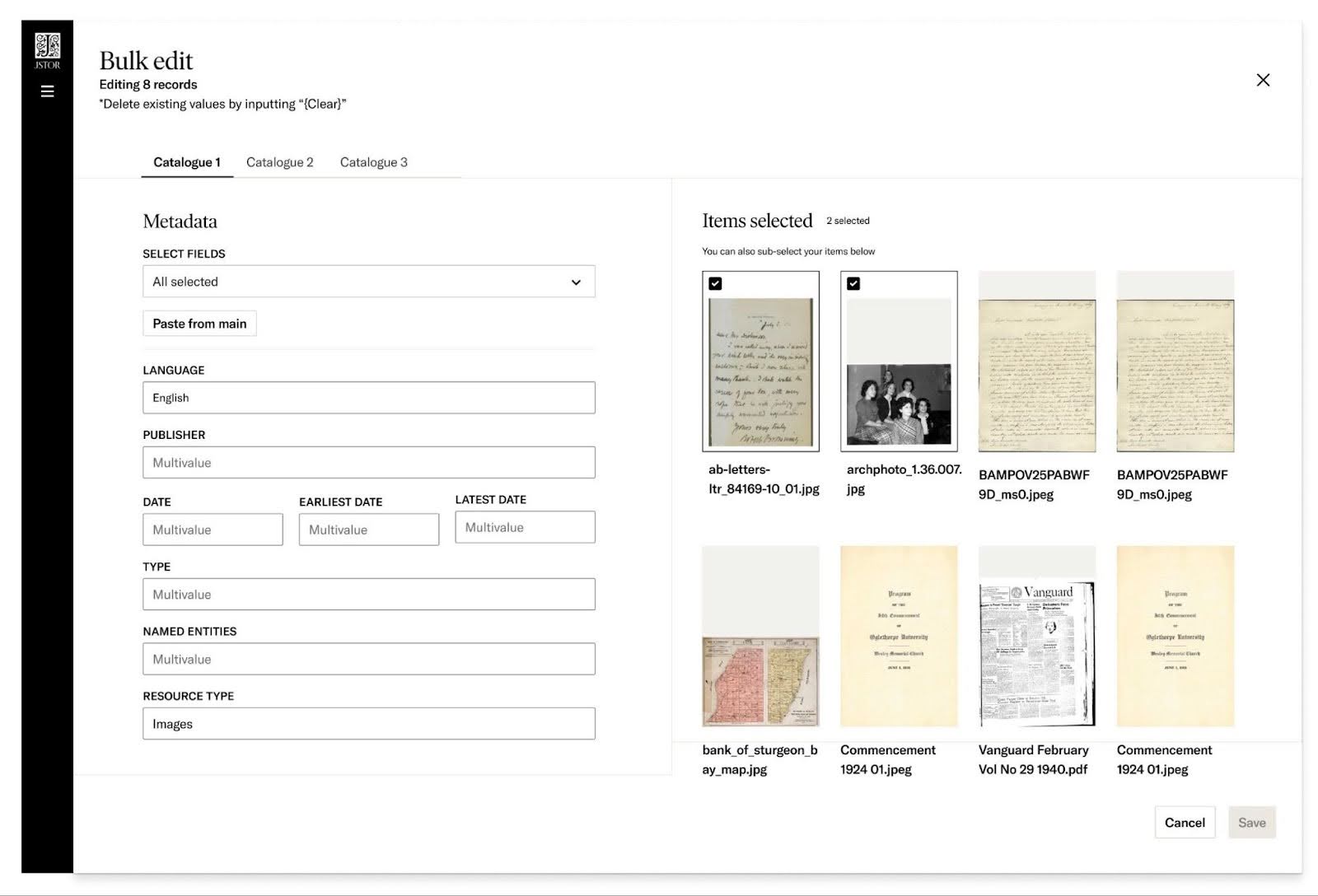
User research revealed differing bulk editing needs and guided a refined JSTOR Stewardship design that offers clearer context, stronger usability, and support for diverse workflows.
-
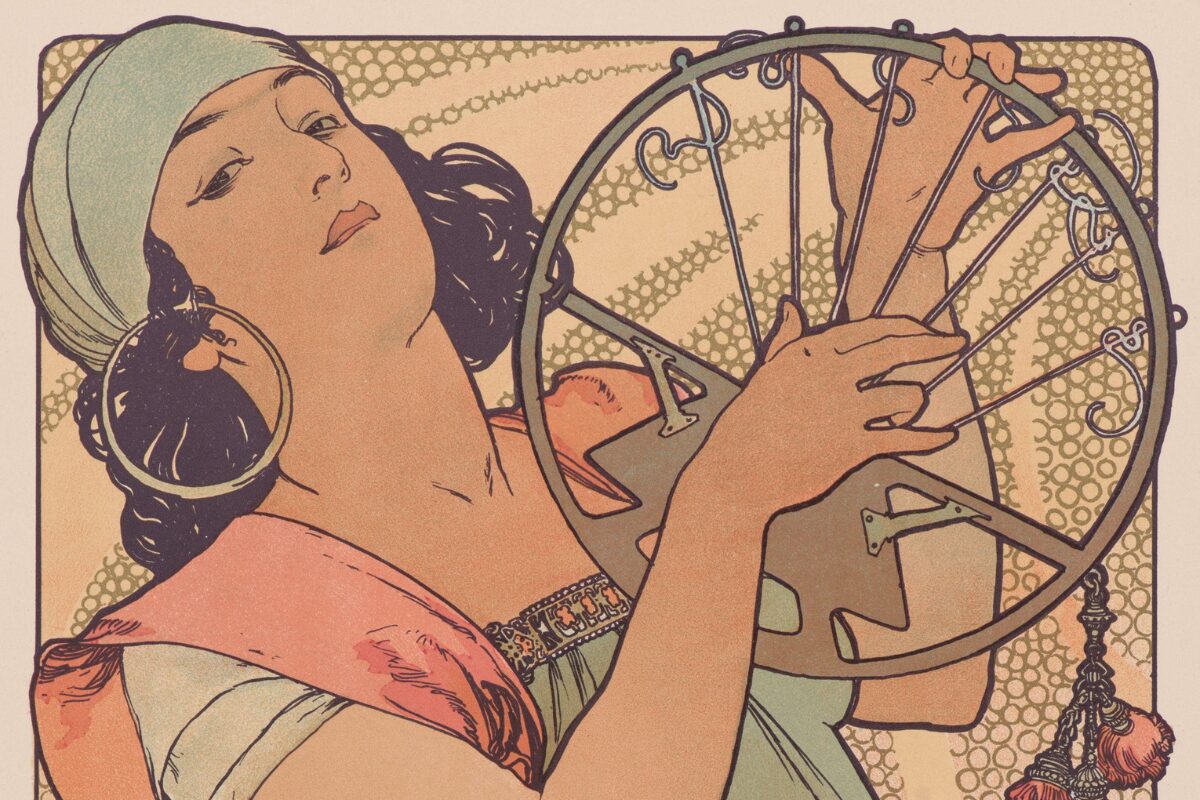
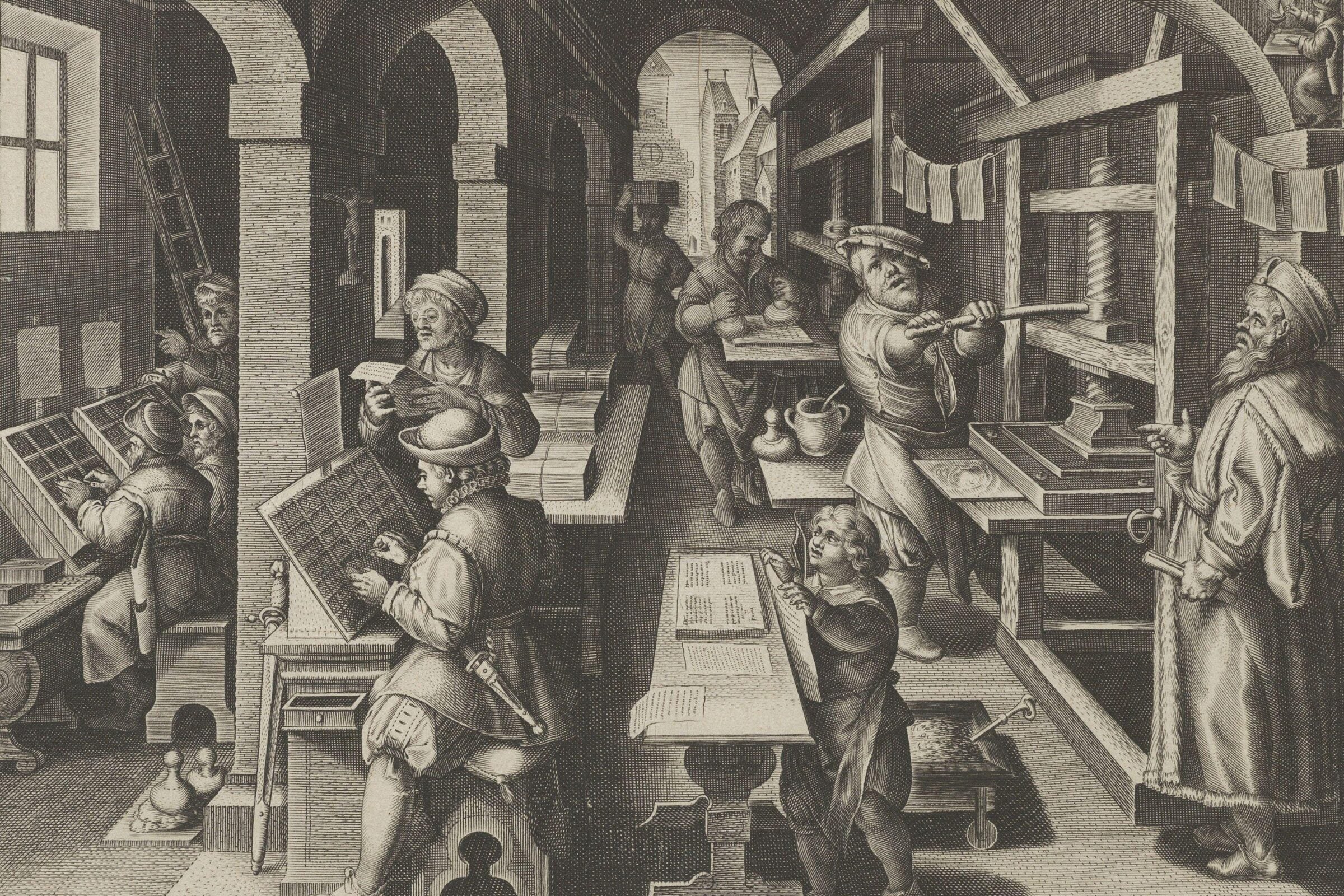
Learn how a slow-looking project helps students engage deeply with artworks, build visual analysis skills, and create collaborative exhibitions using JSTOR and Artstor resources.
-
Explore new Path to Open titles on JSTOR supporting teaching and research. View September 2025 releases and access options.
-
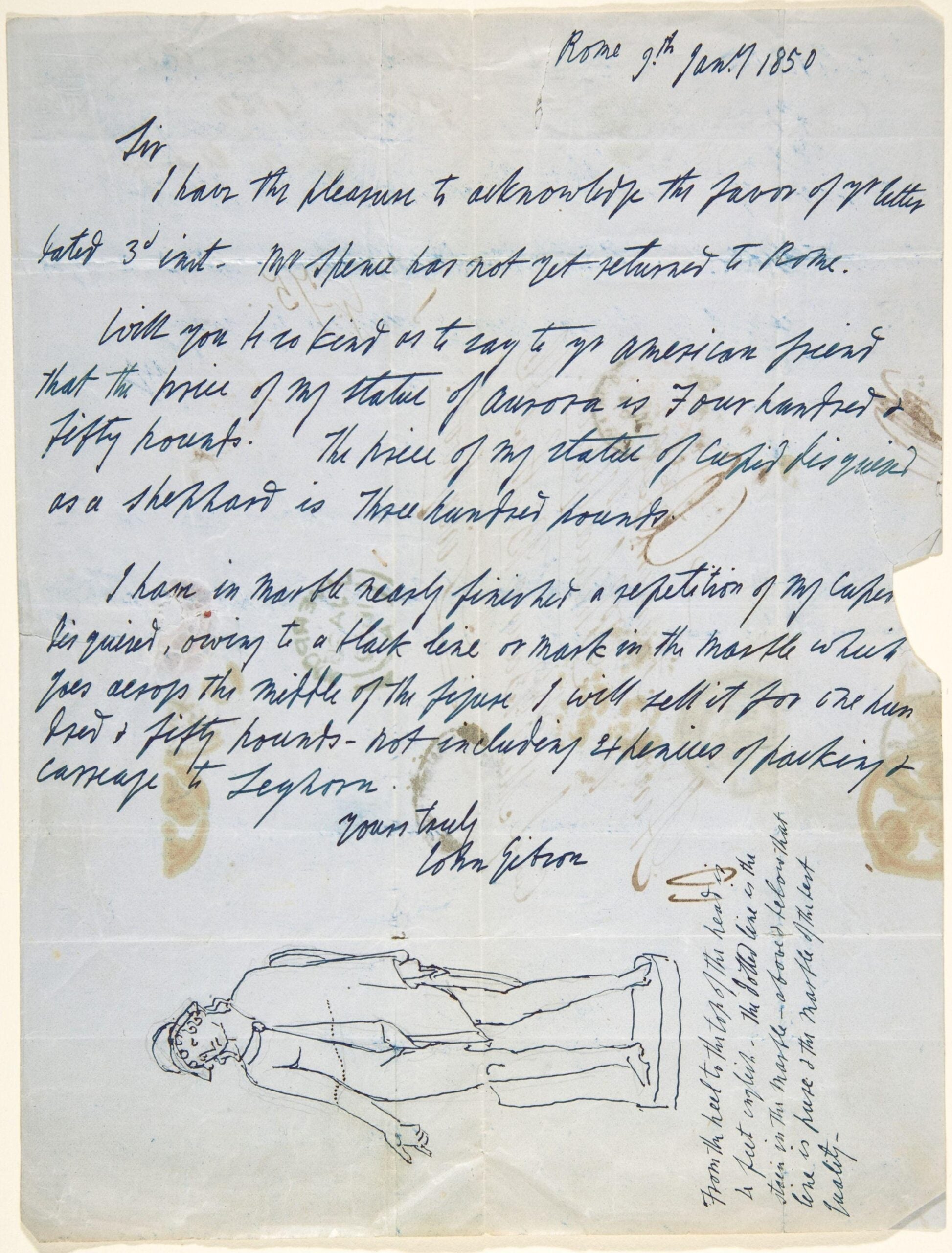
JSTOR Seeklight now generates transcripts for typed and handwritten items, making every word searchable and accessible while keeping editors in control. Available now for Tier 3 participants.
-
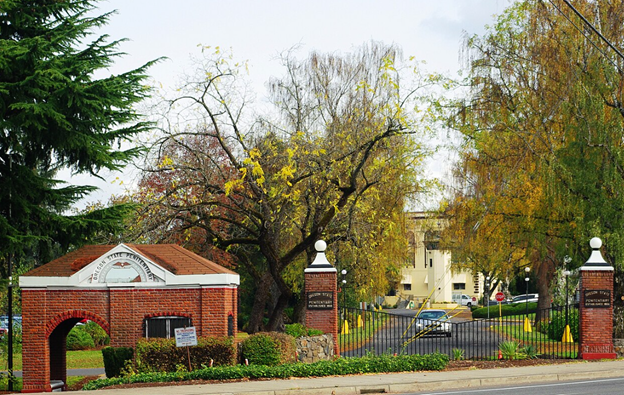
In this deeply personal reflection, Ryan McCarthy of JSTOR Labs shares his experience visiting Oregon State Penitentiary (OSP) alongside Chemeketa Community College’s prison education team.
-
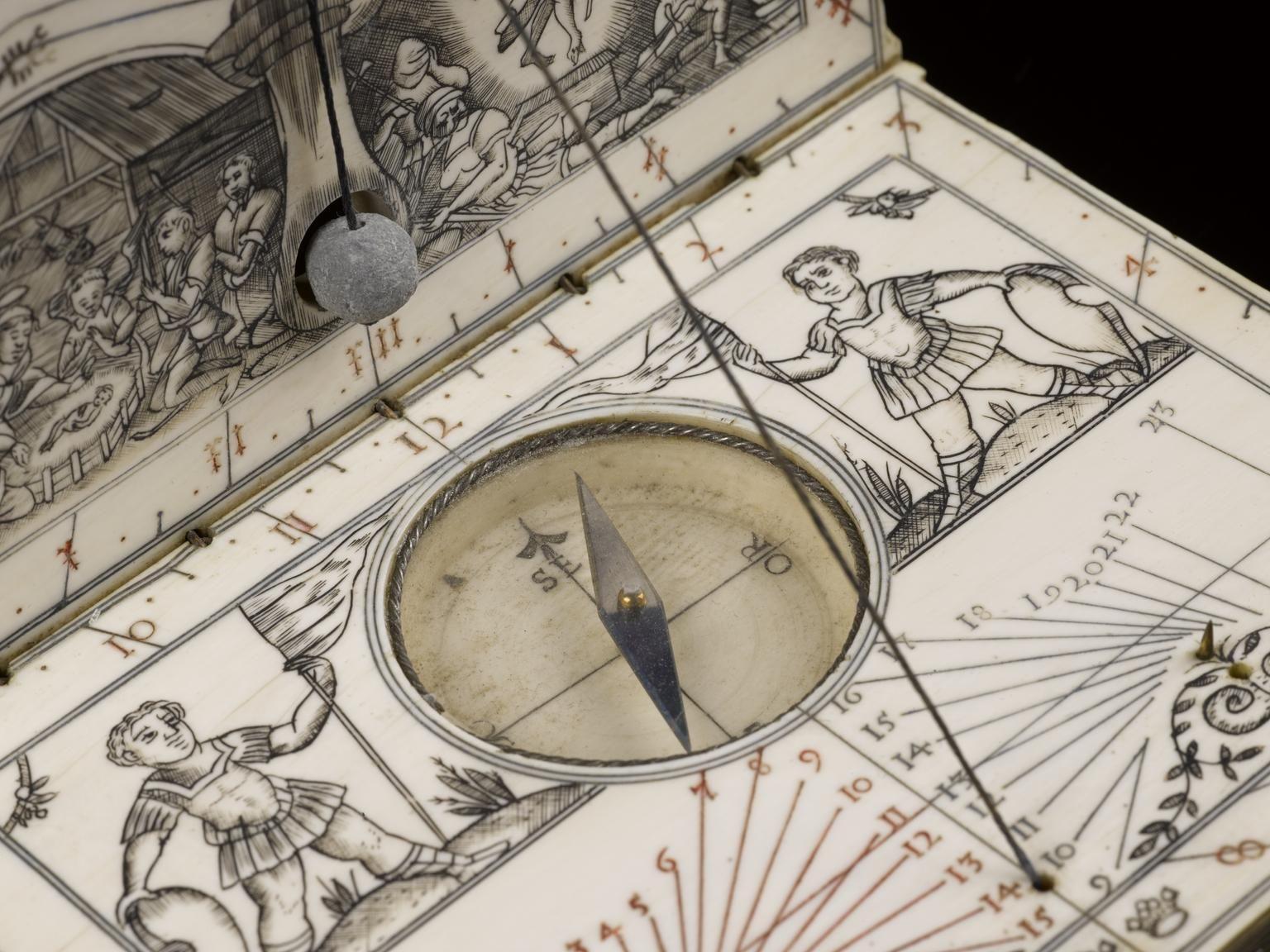
The Nelson-Atkins Museum of Art is an encyclopedic museum with collections from across the globe. The images contributed to Artstor from the museum’s over 42,000 works of art reflect the diversity of the collections and 5,000 years of human culture.
-
Path to Open is a community-driven model bringing 240+ libraries and nearly 50 publishers together to fund new monographs, provide early campus access, and then flip titles open. The first 100 books will become open access on JSTOR in January 2026.
-
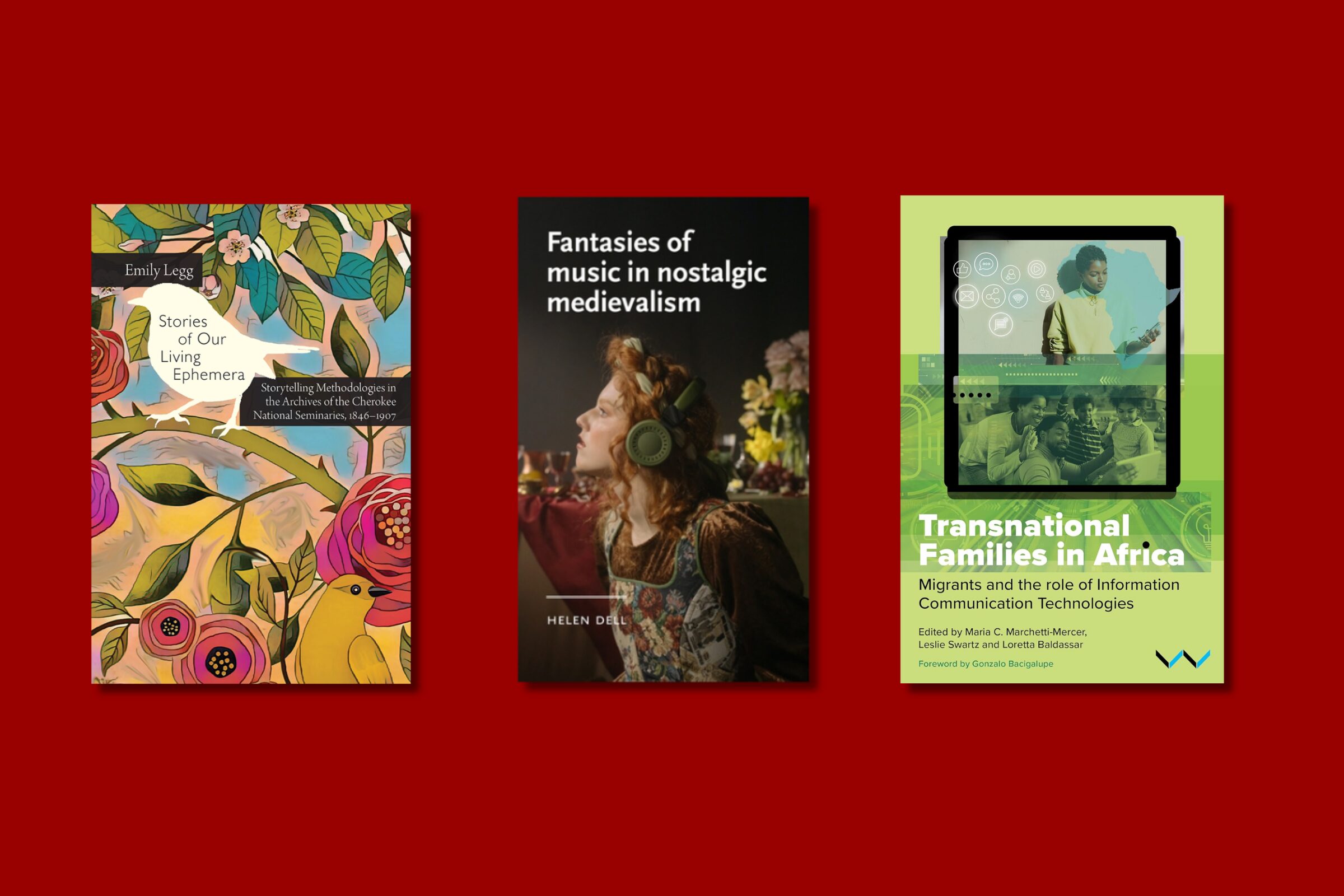
Discover the newest Path to Open books—fresh scholarship from leading university presses spanning archaeology, African American studies, communication, cultural studies, and more that’s now on a clear path to becoming open access.
-
This summer, charter participants in JSTOR Digital Stewardship Services shared their early enthusiasm for JSTOR Seeklight, our AI-powered tool for accelerating collection processing. We share their feedback, ideas, and a glimpse of what’s ahead.
-
Discover the story behind Reveal Digital, an open access primary source collection on JSTOR highlighting underrepresented 20th-century voices of dissent. Learn how library crowdfunding, collaboration, and preservation have built a resource of over 70,000 items.
-
JSTOR Digital Stewardship Services does more than store your collections. Explore content management that drives discovery, use, and impact.
-
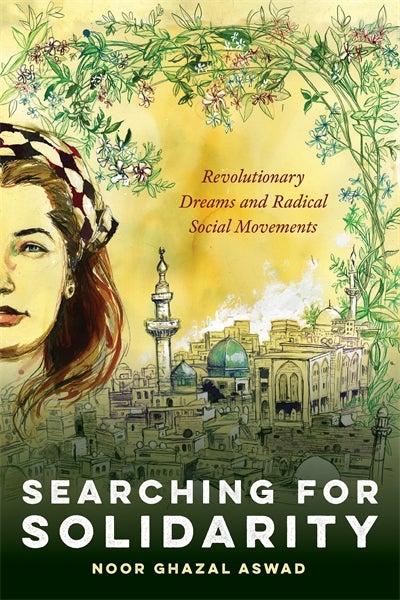
Discover what’s captivating scholars across disciplines on JSTOR. From art and history to sociology and political science, we’re spotlighting the most-read academic ebooks—plus editor-recommended titles shaping today’s academic conversations.
-
Bias is inherent to description, but description can and should be revised over time. We’re evolving JSTOR Seeklight’s safeguards against bias and harmful content to reflect our values, our engineering ethos, and our commitment to transparency.
-
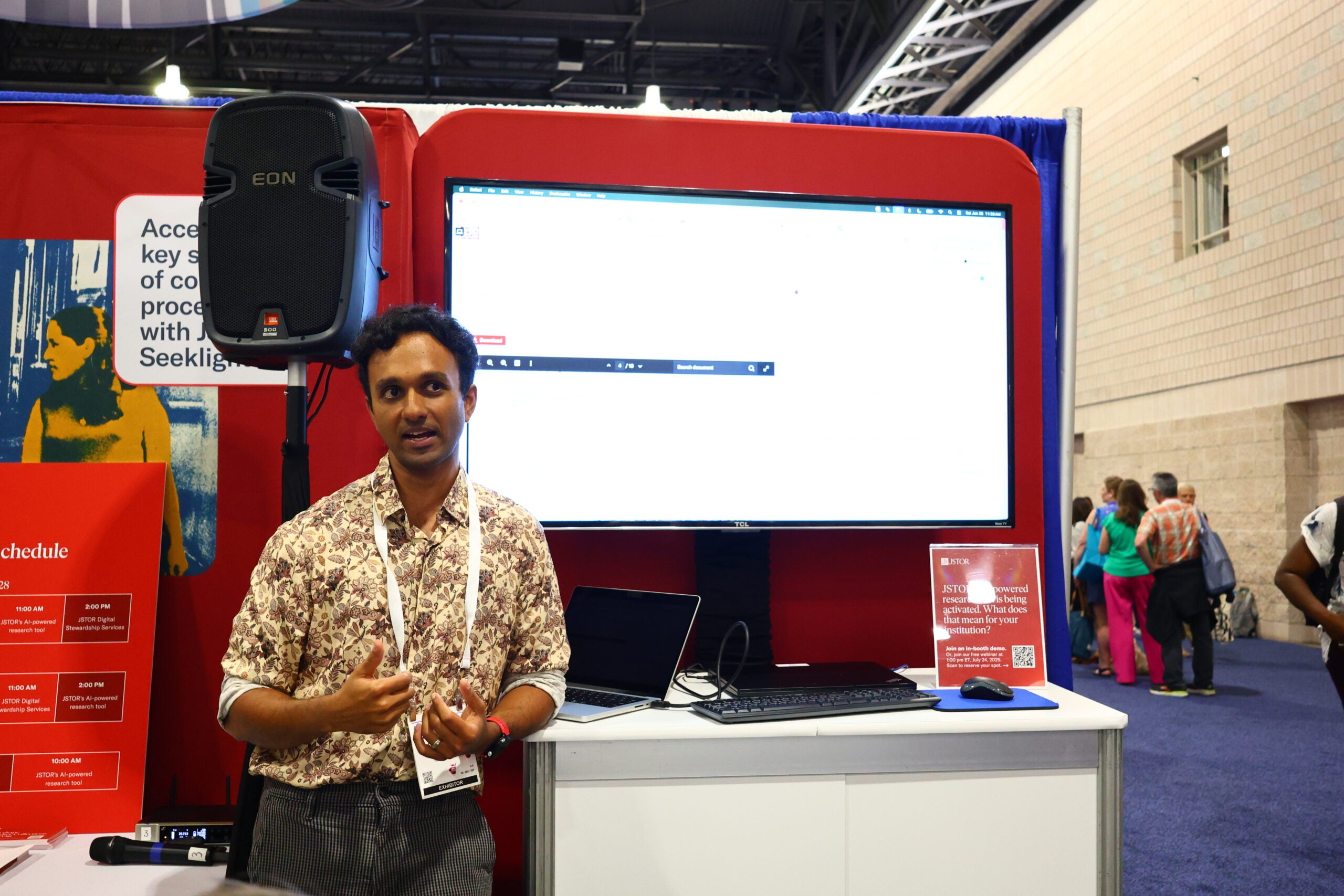
This year’s American Library Association (ALA) Conference in Philadelphia offered an opportunity to share how JSTOR is addressing two interconnected needs: helping researchers navigate trusted content more intuitively, and helping libraries manage, preserve, and activate distinctive collections at scale.
-
A look into Ithaka S+R’s collaborative research on digital exhibits—how libraries and archives use them to connect communities, the challenges they face, and opportunities for future innovation.
-
A new nonprofit-led model from JSTOR offers libraries and publishers a more sustainable, equitable, and integrated ecosystem for scholarly ebooks.
-
These titles, newly published by our University Press partners, provide scholars and students with access to high-quality academic content across a range of disciplines.
-
Explore highlights from the first HBCU Prison Education Summit, where educators, advocates, and tech leaders gathered to advance higher education in prisons. Learn how HBCUs, digital tools like JSTOR, and secure technology are transforming access and equity for incarcerated learners.
-
How JSTOR Seeklight brings together archival expertise, AI, and community insight—reflections on winning the Coker Award and building values-driven tools.
-
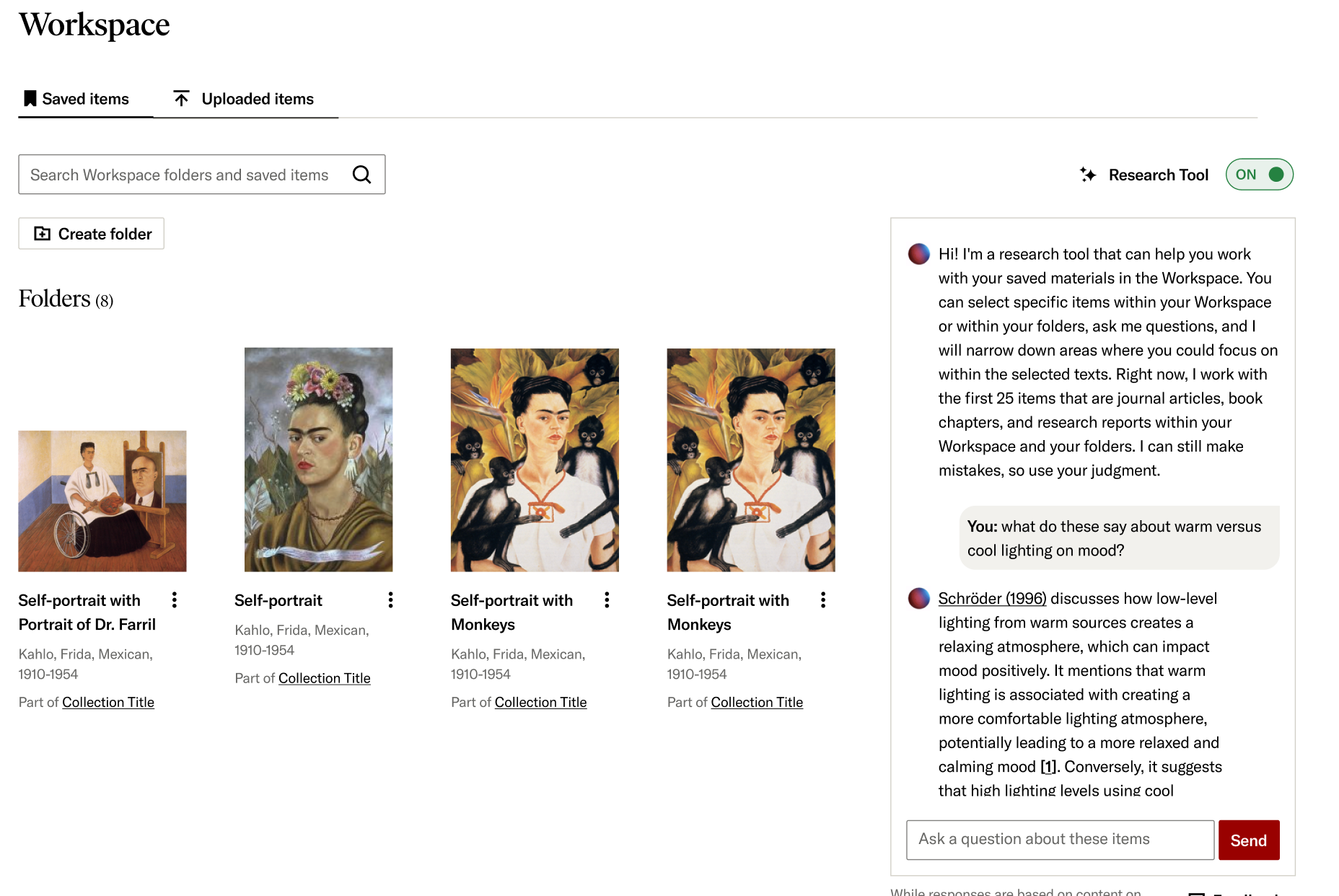
JSTOR’s AI research tool (formerly known as the Interactive Research Tool) has officially launched for all JSTOR-participating institutions. In this blog post, explore the tool’s development history, recent updates, and community insights JSTOR team learned from this year’s American Library Association conference.
-
It is with deep respect and sorrow that we acknowledge Helen Farley’s passing. Helen will be remembered here as a visionary advocate for equitable access to education and a cherished partner in the JSTOR Access in Prison initiative.
-
JSTOR Access in Prison is transforming access to education for incarcerated learners. Discover the story behind its 18-year journey and growing impact—from an insider’s perspective.













Sign up for updates
Never miss a thing. Get updates from JSTOR delivered straight to your inbox.
By signing up you agree to our Privacy Policy. You may unsubscribe at any time by clicking on the provided link on any marketing message.
"*" indicates required fields